Learning How to Clean Burnt Food from an Electric Cooker Without Damaging It is essential if you want to keep your appliance in excellent condition and ensure it performs efficiently for years. Burnt food can build up after frequent cooking, especially when meals boil over or food is left unattended. Fortunately, with the right cleaning techniques, you can remove stubborn stains without scratching the surface or damaging the cooker’s components. Moreover, regular maintenance improves hygiene, extends the appliance’s lifespan, and helps deliver better cooking results every day.
Why You Should Clean Burnt Food Immediately
Burnt food is more than just an eyesore. If left unattended, it can affect cooking performance and shorten the lifespan of your appliance.
Some of the benefits of regular cleaning include:
Better heat distribution
Improved cooking efficiency
Longer appliance lifespan
Enhanced food hygiene
Reduced unpleasant odors
Easier future cleaning
As a result, your electric cooker remains both attractive and reliable.
How to Clean Burnt Food from an Electric Cooker Without Damaging It Safely
Before you begin cleaning, always ensure the cooker has cooled completely and has been unplugged from the power source.
This simple precaution protects both you and the appliance.
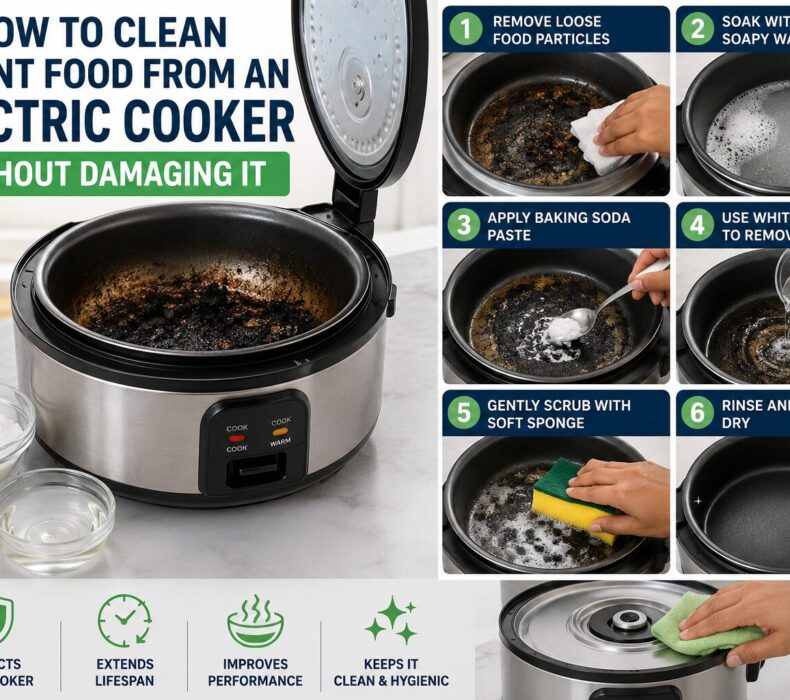
Remove Loose Food Particles
First, use a soft cloth or silicone spatula to remove any loose food residue.
Avoid using sharp metal tools because they can scratch non-stick coatings and cooking surfaces.
Consequently, gentle cleaning helps preserve the finish of your cooker.
Soak the Burnt Area
If burnt food is stubborn, fill the cooking pot with warm water and add a few drops of mild dishwashing liquid.
Allow it to soak for 20 to 30 minutes.
Afterward, the burnt residue should loosen, making it much easier to remove.
Use Baking Soda for Tough Stains
Baking soda is one of the safest cleaning solutions for burnt food.
Mix:
Two tablespoons of baking soda
A small amount of warm water
Stir until a thick paste forms.
Apply the paste to the burnt area and leave it for about 15 minutes.
Then, gently wipe with a soft sponge.
As a result, stubborn stains become much easier to remove.
Try White Vinegar for Burnt Residue
White vinegar works well on stubborn food stains.
Pour a small amount into the affected area and let it sit for several minutes.
Next, wipe gently using a microfiber cloth or soft sponge.
These materials can permanently damage non-stick surfaces.
Cleaning the Heating Plate
If your electric cooker has an exposed heating plate, clean it carefully.
First, wipe away loose debris with a dry cloth.
Then, use a slightly damp cloth to remove stains.
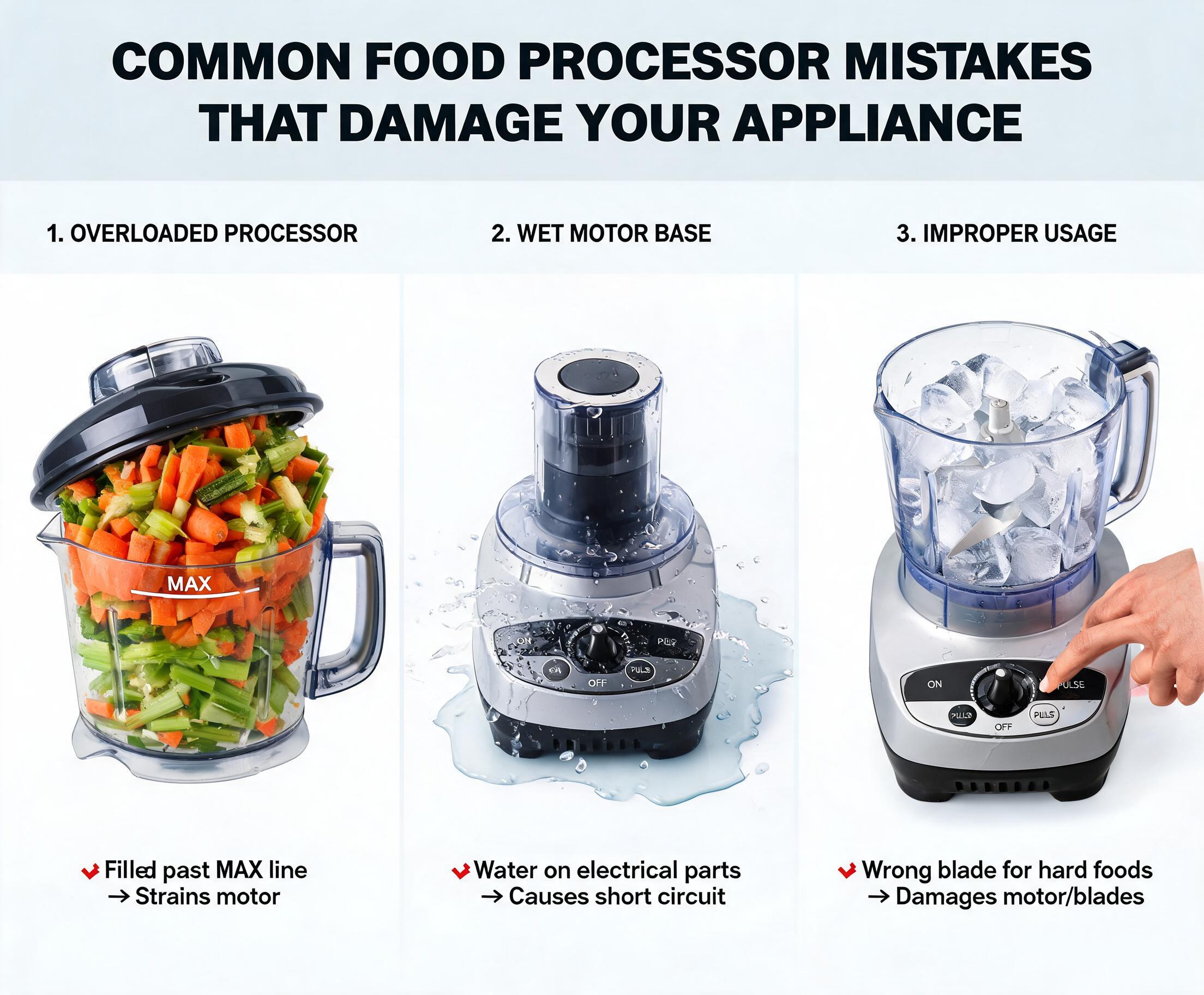
However, never pour water directly onto electrical components.
Instead, allow the surface to dry completely before using the cooker again.
How to Remove Burnt Smells
Sometimes burnt food leaves behind unpleasant odors.
Fortunately, removing them is simple.
You can:
Wipe the cooker with diluted white vinegar.
Use baking soda to absorb odors.
Leave the lid open for proper ventilation.
Clean the steam vent thoroughly if applicable.
Consequently, your appliance remains fresh after every use.
Cleaning Non-Stick Inner Pots
Most modern electric cookers include non-stick cooking pots.
To protect the coating:
Wash using warm soapy water.
Use soft cleaning materials.
Avoid abrasive powders.
Never use metal utensils during cooking.
Furthermore, proper care extends the life of the non-stick coating.
Common Cleaning Mistakes to Avoid
Many people accidentally damage their electric cookers during cleaning.
Avoid these common mistakes:
Cleaning while the appliance is still hot
Using bleach or harsh chemicals
Scrubbing aggressively
Soaking electrical components
Using knives or metal scrapers
Ignoring the manufacturer’s cleaning instructions
Instead, gentle cleaning methods provide better long-term results.
Tips to Prevent Burnt Food in the Future
Preventing burnt food is much easier than removing it.
Follow these practical tips:
Stir food regularly when required.
Use the correct cooking temperature.
Avoid overfilling the cooking pot.
Measure liquids accurately.
Clean the cooker after every use.
Follow recommended cooking times.
As a result, your meals cook more evenly while your appliance stays cleaner.
How Often Should You Clean Your Electric Cooker?
For the best results:
Wipe the exterior after every use.
Wash the inner cooking pot after each meal.
Clean the heating plate weekly if needed.
Perform a deep cleaning at least once every month.
Following this routine keeps your appliance in excellent condition.
Conclusion
Knowing How to Clean Burnt Food from an Electric Cooker Without Damaging It helps protect your investment while keeping your kitchen clean and efficient. By using gentle cleaning methods such as warm soapy water, baking soda, white vinegar, and soft sponges, you can safely remove stubborn burnt food without scratching or damaging your appliance. Additionally, regular maintenance improves cooking performance, extends the lifespan of your electric cooker, and ensures every meal is prepared in a clean, hygienic environment.











 Get it on
  Download on the