Choosing the right insurance policy can be challenging, especially if you are buying insurance for the first time. With many providers offering different plans, premiums, and benefits, it is important to understand what each policy covers before making a decision. The bestInsurance Policies provide financial protection while matching your personal, family, or business needs. Whether you need health, motor, life, travel, home, or business insurance, this guide explains how to compare policies and confidently select the right coverage.
Why Choosing the Right Insurance Policy Matters
Insurance protects you from unexpected financial losses caused by accidents, illness, theft, fire, or other covered events. However, not every policy offers the same level of protection.
Choosing the right policy can help you:
Protect your finances
Safeguard valuable assets
Reduce unexpected expenses
Support your family during emergencies
Improve long-term financial planning
Therefore, taking time to compare options is a smart investment.
Understand Your Insurance Needs
Before purchasing any insurance, identify what you want to protect.
Personal Insurance
Individuals often require protection for:
Health
Motor vehicles
Life
Travel
Homes
Business Insurance
Business owners may need coverage for:
Office buildings
Equipment
Inventory
Employees
Public liability
Business interruption
Once you understand your priorities, selecting suitable Insurance Policies becomes much easier.
Know the Different Types of Insurance
Different situations require different insurance products.
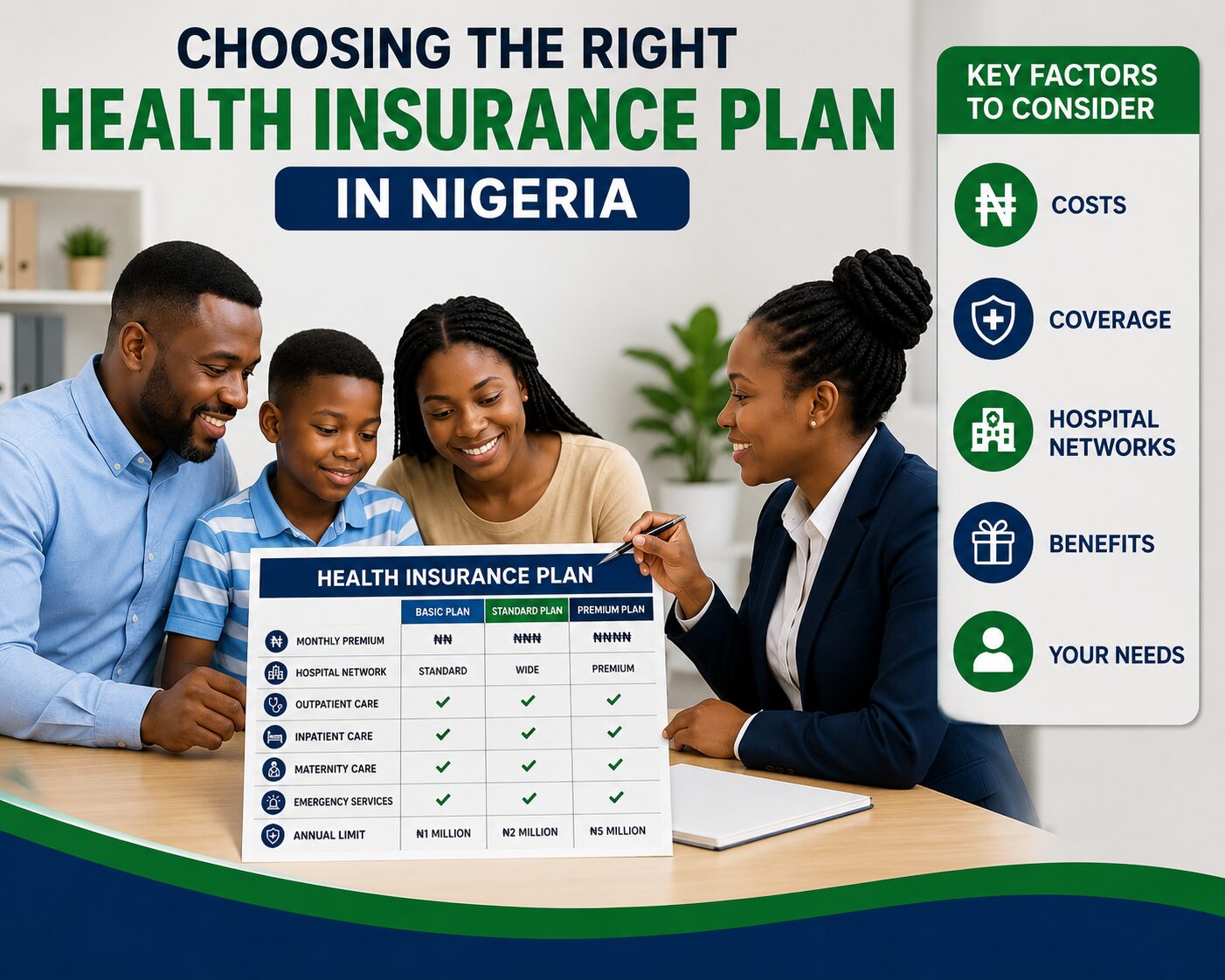
Health Insurance
Health insurance helps pay eligible medical expenses and gives access to quality healthcare.
Motor Insurance
Motor insurance protects vehicle owners against financial losses resulting from accidents, theft, or damage.
Life Insurance
Life insurance provides financial support to your beneficiaries if you pass away, according to your policy terms.
Home Insurance
Home insurance protects your house and belongings against covered risks such as fire, burglary, and certain natural disasters.
Business Insurance
Business insurance helps organizations recover from financial losses that affect daily operations.
Travel Insurance
Travel insurance provides protection against travel-related risks including medical emergencies, baggage loss, and trip cancellations.
Compare Insurance Providers
Not every insurance company provides the same quality of service.
Reputation
Choose insurers with a strong history of customer satisfaction and financial stability.
Claims Process
A simple and transparent claims process often reflects a customer-focused insurer.
Customer Support
Reliable customer care becomes especially valuable when you need urgent assistance or policy clarification.
Financial Strength
Financially stable insurers are generally better equipped to settle valid claims promptly.
Compare Policy Coverage
One of the most important steps is understanding what your policy includes.
What Is Covered?
Review the list of covered risks carefully.
For example:
Medical expenses
Fire damage
Theft
Vehicle accidents
Property damage
Personal liability
What Is Not Covered?
Every policy contains exclusions.
Read these carefully to avoid surprises during the claims process.
Understand Premiums
The premium is the amount you pay to keep your insurance active.
Although lower premiums may seem attractive, they sometimes provide less coverage.
Instead of choosing the cheapest option, compare value by considering:
Coverage limits
Benefits
Customer support
Claims experience
Check Policy Limits
Every insurance policy has coverage limits.
These determine the maximum amount your insurer may pay for a covered claim.
Ensure the limits are sufficient for your financial needs.
Review Waiting Periods
Some Insurance Policies include waiting periods before certain benefits become available.
Understanding these conditions helps you avoid misunderstandings later.
Understand the Claims Process
A straightforward claims process saves time and reduces stress.
Before purchasing a policy, ask:
How do I submit a claim?
What documents are required?
How long does claim processing usually take?
How will I receive payment if my claim is approved?
Compare Multiple Insurance Policies
Never purchase the first policy you see.
Instead:
Request multiple quotations.
Compare benefits.
Review exclusions.
Evaluate customer reviews.
Consider long-term value.
Making comparisons often leads to better coverage at a competitive price.
Common Mistakes to Avoid
Many people make avoidable mistakes when buying insurance.
These include:
Choosing only based on price
Ignoring exclusions
Providing inaccurate information
Not reading the policy document
Allowing policies to expire
Buying unnecessary coverage
Avoiding these mistakes improves your insurance experience.
Questions to Ask Before Buying
Ask your insurer these important questions:
What Does the Policy Cover?
Ensure you clearly understand all covered risks.
What Are the Exclusions?
Knowing what is excluded prevents future disputes.
How Are Claims Processed?
A fast and transparent claims process is essential.
Are There Additional Fees?
Clarify whether there are administrative or renewal charges.
Can the Policy Be Upgraded?
Your insurance needs may change over time.
Flexible policies can provide additional convenience.
Benefits of Choosing the Right Insurance Policy
The right Insurance Policies provide several important advantages.
These include:
Financial protection
Peace of mind
Family security
Business continuity
Better emergency preparedness
Long-term financial confidence
Frequently Asked Questions
How do I know which insurance policy is right for me?
Consider your financial goals, lifestyle, assets, family responsibilities, and budget before selecting coverage.
Should I buy multiple insurance policies?
Yes. Many people maintain separate policies for health, life, motor, travel, home, or business protection.
Is the cheapest insurance always the best?
No. Lower premiums may come with reduced coverage or more exclusions.
Can I switch insurance companies?
Yes. Depending on your policy terms and renewal conditions, you may be able to change providers if another insurer better suits your needs.
How often should I review my insurance?
Review your insurance annually or whenever significant life events occur, such as marriage, buying a home, or starting a business.
Final Thoughts
Choosing the right insurance policy is about more than finding the lowest premium. It requires understanding your financial needs, comparing providers, reviewing coverage carefully, and selectingInsurance Policies that offer reliable protection when you need it most. By taking time to evaluate your options, you can enjoy greater financial security and confidence, knowing that you and your loved ones are prepared for life’s unexpected events.















 Get it on
  Download on the