Finding the perfect workout space can be a complete minefield when comparing gyms in Nigeria, premium vs budgettiers. For corporate professionals, entrepreneurs, and fitness enthusiasts living in fast-paced urban hubs like Lagos and Abuja, a gym is no longer just a place to sweat. It has truly evolved into an investment in lifestyle, networking, and long-term health.
However, monthly membership fees across the country fluctuate wildly. This leaves many to wonder if luxury fitness spaces genuinely offer better value than functional, low-cost alternatives.
To give you the ground truth, our team spent a month testing three highly popular fitness centers. We evaluated their equipment quality, coaching expertise, crowd density, and hidden fees so you can make an informed choice.
The Premium Contender: i-Fitness Center
With numerous locations cutting across major commercial and residential hubs like Ikeja, Lekki, and Surulere, i-Fitness stands tall. It is currently the undisputed giant of structured corporate fitness networks in West Africa.
Equipment and Amenities
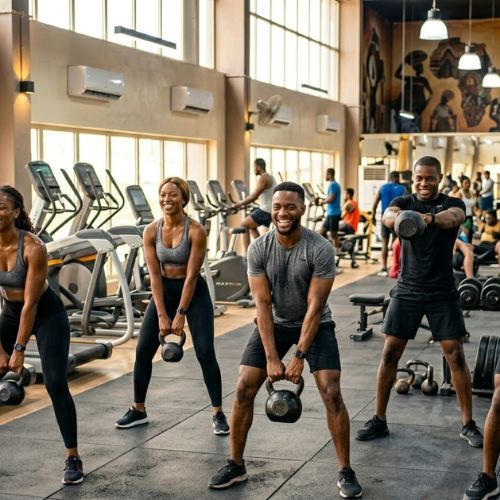
Walking into an i-Fitness branch immediately sets a high benchmark for modern fitness infrastructure. The floors are packed with rows of electronic treadmills, cross-trainers, multi-functional cable machines, and massive free-weight zones. Furthermore, the facilities feature air-conditioned workout spaces, clean locker rooms, functional shower cubicles, and specialized studio rooms dedicated to high-energy group fitness classes.
The Workout Experience and Pricing
Membership rates sit comfortably in the mid-to-high premium tier, typically ranging between ₦25,000 to ₦40,000 monthly. This comes alongside a one-time registration fee. The crowd is a lively mix of young professionals and corporate workers.
Pros: Access to multiple branches with a single card, top-tier group classes (Zumba, Yoga, HIIT), and highly secure, well-lit environments.
Cons: Peak hours (5:00 PM – 8:30 PM) can get incredibly crowded, causing noticeable wait times for popular machines like bench presses and squat racks.
The Luxury Tier: Elite Lifestyle Gyms
For those seeking an exclusive, highly refined wellness environment, independent luxury clubs represent the absolute peak of premium fitness. These are typically located within premium hotels or high-end neighborhoods like Ikoyi or Victoria Island.
Equipment and Amenities
These spaces prioritize a hospitality-driven approach over sheer member volume. You will find top-of-the-line imported cardio machinery equipped with personal entertainment screens. Additionally, pristine swimming pools, saunas, and steam rooms are available. Complimentary workout towels, premium toiletries, and filtered water stations are standard additions to the experience.
The Workout Experience and Pricing
Exclusivity comes at a steep price, with memberships easily scaling past ₦100,000 to ₦200,000 per month. The crowd consists primarily of corporate executives, expatriates, and high-net-worth individuals.
Pros: Virtually no wait times for equipment, pristine hygiene standards, and exceptional privacy for focused workouts.
Cons: The exorbitant price point makes it inaccessible for everyday fitness enthusiasts who just want a straightforward place to lift weights.
The Budget Savior: Neighborhood “Iron” Gyms
On the opposite end of the spectrum sit the localized, community-driven neighborhood gyms. These can be found in nearly every residential corner of Nigeria, from Yaba to regional capital cities.
Comparative Scores at a Glance
Tier Category
Monthly Cost Range
Equipment Quality Rating
Luxury Independent
₦100,000 – ₦200,000
5/5 (Immaculate/Imported)
Mid-Premium (i-Fitness)
₦25,000 – ₦40,000
4.5/5 (Modern/Plentiful)
Local Budget Iron Gyms
₦5,000 – ₦15,000
3/5 (Raw/Functional)
Equipment and Amenities
Do not expect air conditioning, fancy juice bars, or steam rooms here. These local setups rely heavily on raw, heavy-duty iron plates, locally fabricated steel racks, basic dumbbells, and a few legacy cardio machines. Ventilation relies entirely on open windows and industrial standing fans.
The Workout Experience and Pricing
Priced incredibly low at ₦5,000 to ₦15,000 monthly, these spaces offer unbeatable affordability. The atmosphere is raw, loud, and driven by an intense, community-oriented bodybuilding subculture.
Pros: Highly affordable, no contract commitments, and an incredibly motivating, supportive community of lifters.
Cons: Lack of proper cooling leads to intense heat, basic bathroom facilities, and minimal supervision for beginners who need guidance on form.
Technical Comparison: Gyms in Nigeria Premium vs Budget
To truly understand the structural divide in gyms in Nigeria, premium vs budgetsetups, you must look at what you are paying for beyond the weights. Premium gyms charge a higher fee because they bundle high operational costs into your subscription. These include constant diesel generator power to keep industrial air conditioning units running, premium music licensing, and certified multi-disciplinary floor trainers.
Budget setups eliminate these high overheads. By skipping high-energy cooling systems and utilizing locally welded iron frames that last for decades without needing digital maintenance, they pass those massive savings directly down to the consumer.
Practical Guide: Choosing Your Perfect Fitness Space
If you are still on the fence about which category fits your lifestyle, use this quick checklist to guide your final choice:
Analyze Your Commute: A gym that is close to your office or home is one you will actually attend. If a budget gym is 2 minutes away, it might trump a premium gym that requires a 45-minute drive in heavy Lagos traffic.
Evaluate Your Goals: If your main focus is heavy strength training or powerlifting, a local budget “iron” gym provides all the raw weight plates you need. If you prefer structured aerobics or cardio variety, premium spaces are essential.
Check for Hidden Costs: Always ask if the registration fees are annual or one-time. Don’t forget to read the fine print regarding membership freezing or cancellation policies.
Conclusion: Which Tier Reigns Supreme?
Ultimately, the battle between premium and budget options comes down to what drives your workout consistency. If you need cold air conditioning, a variety of group classes, and a networking environment to stay motivated, stepping up to a mid-premium franchise like i-Fitness is completely worth the financial commitment.
However, if you are a self-driven lifter who just needs heavy weights and a high-energy community to smash your goals without breaking the bank, local neighborhood gyms offer unmatched value for money.













 Get it on
  Download on the