







When building a skincare routine, many people in Nigeria and around the world often wonder whether they need a facial toner, micellar water, or both. At first glance, these products may seem similar because they are lightweight liquids applied with cotton pads. However, they serve different purposes and offer unique benefits for different skin types and skincare goals.
Understanding the difference between facial toner vs micellar water can help you make informed decisions, avoid unnecessary products, and achieve healthier, clearer, and more radiant skin.
In this comprehensive guide, we’ll explain what each product does, their benefits, how to use them correctly, and whether you should choose one or include both in your daily skincare routine.
What Is a Facial Toner?
A facial toner is a water-based skincare product designed to refresh, hydrate, and prepare the skin after cleansing. Modern facial toners are formulated with beneficial ingredients that help restore the skin’s natural pH balance while delivering hydration and targeted skincare benefits.
Unlike the harsh alcohol-based toners of the past, today’s facial toners contain nourishing ingredients that improve skin health without causing excessive dryness.
Benefits of Facial Toner
Using a facial toner regularly can provide several benefits:
- Restores the skin’s natural pH after cleansing
- Removes leftover dirt, oil, and cleanser residue
- Hydrates and refreshes the skin
- Tightens the appearance of pores
- Helps control excess oil production
- Calms redness and irritation
- Improves the absorption of serums and moisturizers
- Leaves the skin soft, smooth, and balanced
A good toner acts as the bridge between cleansing and moisturizing.
What Is Micellar Water?
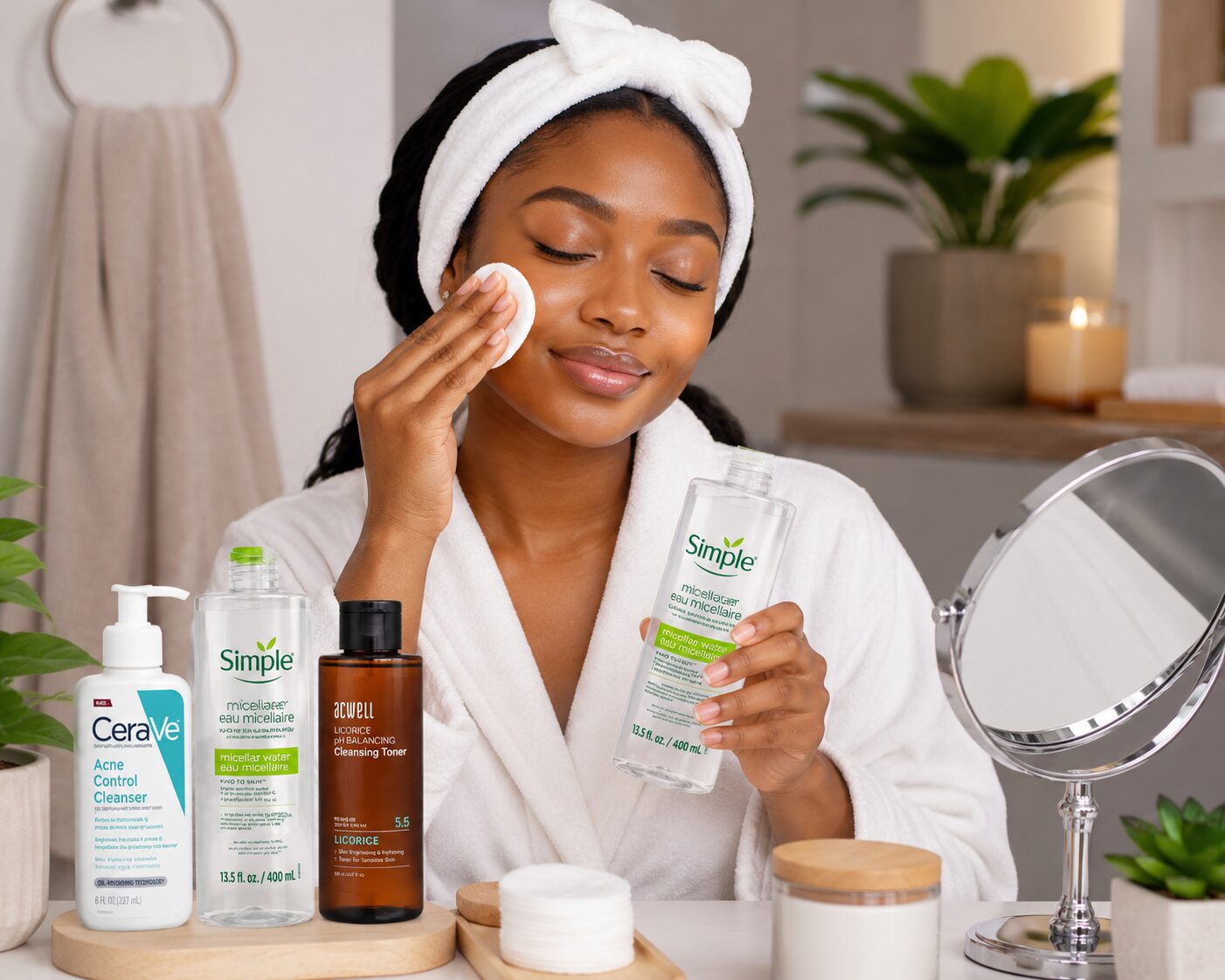
Micellar water is a gentle cleansing solution made with purified water, moisturizers, and tiny cleansing molecules known as micelles.
Micelles work like magnets, attracting makeup, sunscreen, dirt, sweat, and excess oil from the skin without the need for harsh rubbing or rinsing.
Micellar water is especially popular because it cleanses the skin without stripping away its natural moisture barrier.
Benefits of Micellar Water
Micellar water has become one of the most popular skincare products because it offers multiple benefits.
These include:
- Removes makeup effectively
- Cleans dirt and impurities
- Removes sunscreen
- Dissolves excess oil
- Gentle on sensitive skin
- No rinsing required
- Hydrates while cleansing
- Convenient for travel
- Quick and easy to use
- Suitable for daily use
Because it is gentle, micellar water works well for nearly every skin type.
Facial Toner vs Micellar Water: The Main Difference
Although both products are liquid and often applied with cotton pads, their primary functions are completely different.
| Feature | Facial Toner | Micellar Water |
|---|---|---|
| Primary Purpose | Hydrates and balances skin | Cleanses skin |
| Removes Makeup | No | Yes |
| Removes Dirt | Slightly | Yes |
| Removes Oil | Helps regulate oil | Removes excess oil |
| Hydrates | Yes | Yes |
| Used Before Cleansing | No | Yes |
| Used After Cleansing | Yes | Usually not |
| Prepares Skin for Serums | Yes | No |
| Daily Use | Morning and Night | Morning or Night |
| Rinse Required | No | Usually No |
Simply put:
- Micellar water cleans the skin.
- Facial toner prepares and treats the skin after cleansing.
How Does Micellar Water Work?
Micellar water contains microscopic cleansing molecules called micelles.
Each micelle has two ends:
- One attracts water.
- One attracts oil and dirt.
When applied to the face, these tiny cleansing particles lift away:
- Makeup
- Dust
- Pollution
- Sweat
- Sunscreen
- Excess sebum
without disturbing the skin’s protective barrier.
This makes micellar water one of the gentlest facial cleansers available.
How Does Facial Toner Work?
After cleansing, the skin can temporarily lose some moisture and experience slight changes in pH.
A facial toner helps by:
- Restoring hydration
- Rebalancing pH
- Calming irritation
- Delivering beneficial ingredients
- Preparing the skin for treatment products
Think of toner as preparing your skin to absorb everything you apply afterward.
Can Micellar Water Replace Facial Toner?
No.
Although micellar water cleanses the skin well, it does not provide the targeted skincare benefits of a toner.
Micellar water removes impurities.
Facial toner improves the condition of your skin.
They perform different roles and are not direct substitutes.
Can Facial Toner Replace Micellar Water?
Not really.
A facial toner is not designed to remove:
- Heavy makeup
- Waterproof sunscreen
- Foundation
- Dirt buildup
- Pollution
Using toner instead of a cleanser may leave impurities on your skin, increasing the risk of clogged pores and breakouts.
Do You Need Both?
For many people, the answer is yes.
If you wear makeup, sunscreen, or spend time outdoors, using both products can significantly improve your skincare routine.
A simple routine looks like this:
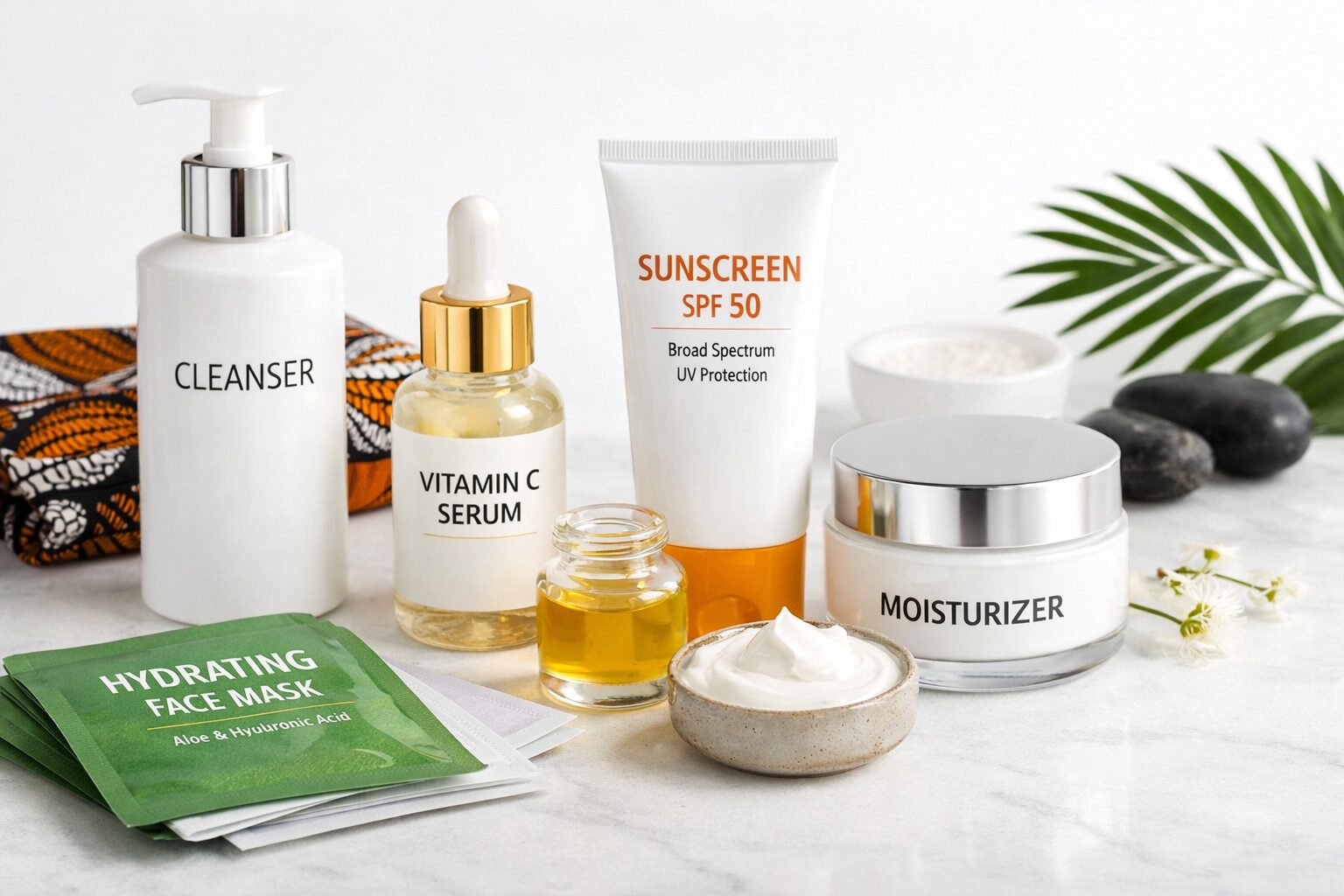
- Remove makeup with micellar water.
- Wash with a facial cleanser.
- Apply facial toner.
- Use serum.
- Apply moisturizer.
- Finish with sunscreen during the day.
Each product performs a different task, creating a complete skincare routine.
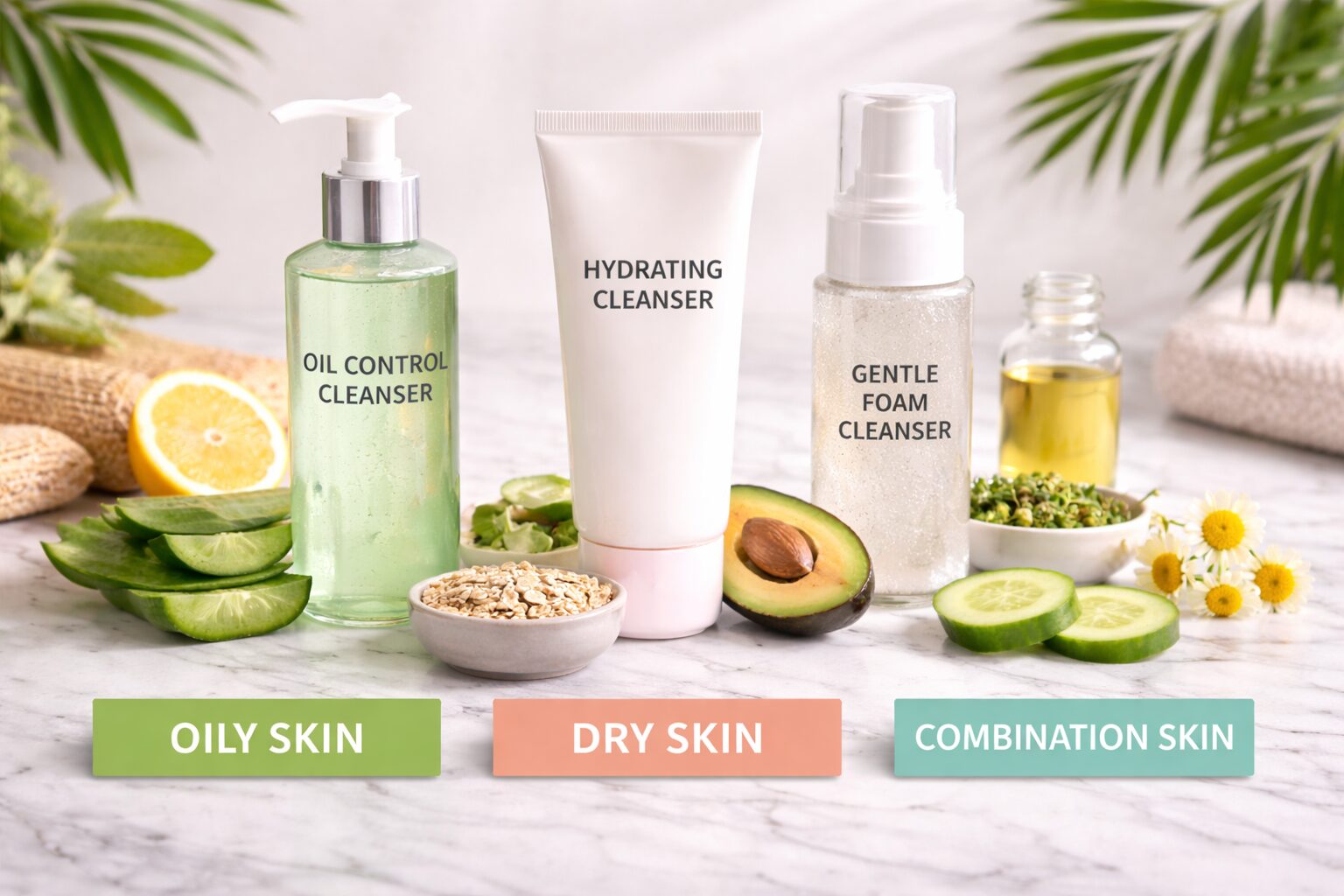
Which Skin Types Benefit Most?
Oily Skin
Micellar water helps remove excess oil without over-drying.
A toner containing ingredients like niacinamide or witch hazel can help reduce shine and control sebum production.
Dry Skin
Hydrating micellar water gently cleanses without stripping moisture.
Choose a toner containing:
- Hyaluronic acid
- Glycerin
- Aloe vera
- Panthenol
These ingredients replenish moisture and soothe dryness.
Sensitive Skin
Both products should be fragrance-free and alcohol-free whenever possible.
Look for soothing ingredients such as:
- Chamomile
- Aloe vera
- Centella asiatica
- Cucumber extract
These help reduce redness and irritation.
Combination Skin
Combination skin benefits from:
- Micellar water to cleanse oily areas
- Hydrating toner to balance both dry and oily zones
Acne-Prone Skin
Micellar water gently removes impurities without aggressive scrubbing.
An acne-friendly toner may contain:
- Salicylic acid
- Tea tree extract
- Niacinamide
These ingredients help minimize clogged pores and reduce breakouts.
Common Ingredients in Facial Toners
Modern facial toners contain various ingredients depending on their purpose.
Popular ingredients include:
Hyaluronic Acid
Provides intense hydration and plumps the skin.
Niacinamide
Helps brighten skin, minimize pores, and regulate oil.
Rose Water
Refreshes and soothes irritated skin.
Aloe Vera
Hydrates and calms inflammation.
Green Tea Extract
Rich in antioxidants that protect the skin from environmental stress.
Witch Hazel
Helps reduce excess oil and improve the appearance of pores, especially in oily skin formulations.
Common Ingredients in Micellar Water
Micellar water formulas often include:
- Purified water
- Mild surfactants
- Glycerin
- Hydrating agents
- Soothing botanical extracts
Some formulas also include vitamins and antioxidants for added skincare benefits.
How to Use Micellar Water Correctly
For the best results:
- Pour micellar water onto a cotton pad.
- Gently wipe the face.
- Hold the cotton pad over eye makeup for a few seconds before wiping.
- Repeat until the cotton pad comes away clean.
- Follow with a facial cleanser if practicing double cleansing.
- Continue with toner and moisturizer.
Avoid rubbing the skin aggressively, as this can cause irritation.
How to Use Facial Toner Correctly
After cleansing:
- Pour a small amount onto a cotton pad or clean hands.
- Gently apply across the face and neck.
- Allow it to absorb naturally.
- Follow immediately with serum and moisturizer.
Most toners should not be rinsed off.
Mistakes to Avoid
Many people misuse these products.
Common mistakes include:
- Using toner as a cleanser
- Skipping cleansing after heavy makeup
- Choosing alcohol-heavy toners for dry skin
- Rubbing the face too hard with cotton pads
- Using products that don’t suit your skin type
- Applying too much product
- Ignoring moisturizer after toner
Using products correctly helps maximize their effectiveness.
Facial Toner vs Micellar Water: Which One Should You Buy?
The answer depends on your skincare needs.
Choose micellar water if you:
- Wear makeup daily
- Use sunscreen regularly
- Want a gentle cleanser
- Have sensitive skin
- Need quick cleansing while traveling
Choose facial toner if you:
- Want better hydration
- Need oil control
- Want brighter skin
- Have enlarged pores
- Use serums and active ingredients
If your budget allows, owning both products provides the most complete skincare routine.
Are Facial Toners and Micellar Waters Suitable for Nigerian Weather?
Absolutely.
Nigeria’s warm climate often leads to increased sweating, excess oil production, and exposure to dust and pollution. Micellar water helps remove these impurities effectively, while a facial toner restores hydration and balances the skin after cleansing.
For people living in Lagos, Abuja, Port Harcourt, and other busy cities, incorporating both products into a daily skincare routine can help maintain a cleaner, healthier complexion despite environmental challenges.
Final Thoughts
The debate over Facial Toner vs Micellar Water isn’t about choosing a winner—they’re designed to work together rather than compete. Micellar water is a gentle yet effective cleanser that removes makeup, sunscreen, dirt, and excess oil, making it an excellent first step in your skincare routine. Facial toner, on the other hand, hydrates, balances, and prepares the skin to absorb serums and moisturizers more effectively.
For the healthiest-looking skin, use micellar water to cleanse, follow with a suitable facial cleanser if needed, then apply a toner that matches your skin type before moisturizing. Whether your skin is oily, dry, combination, sensitive, or acne-prone, selecting quality products and using them consistently can make a noticeable difference in your complexion over time.





 Get it on
  Download on the