





DIY Pest Control Hacks That Backfire (And What to Do Instead)
DIY solutions are everywhere online—but when it comes to diy pest control services and equipment, many so-called “hacks” do more harm than good.
From using the wrong chemicals to relying on ineffective home remedies, homeowners often end up making pest problems worse instead of solving them.
So what’s really going on?
In this guide, we’ll break down:
- Common DIY pest control mistakes
- Why these hacks fail
- Hidden risks of DIY pest control
- Better alternatives using proper pest control equipment
- When to call professional pest control services
Why DIY Pest Control Is So Popular
DIY pest control has become popular because it seems:
- Cheaper
- Faster
- Convenient
But here’s the reality:
👉 Most DIY methods only treat symptoms—not the root cause.
This is why many homeowners repeatedly search for pest control services near me after failed attempts.
The Biggest DIY Pest Control Hacks That Backfire
Let’s look at the most common mistakes people make with pest control equipment and home remedies.
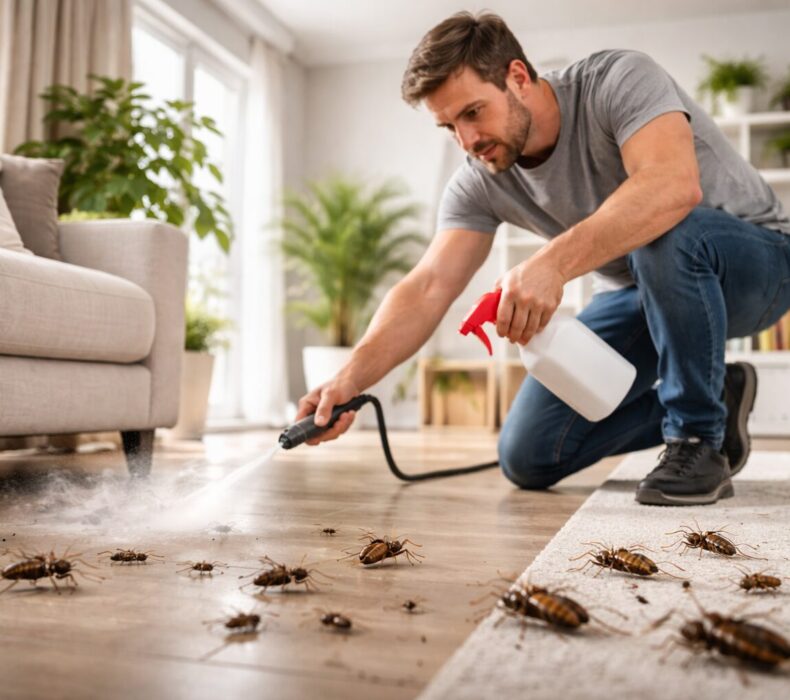
1. Using Too Much Insecticide
Many people assume more chemical = better results.
What actually happens:
- Pests scatter instead of dying
- Infestation spreads to new areas
- Health risks increase
👉 Proper pest control equipment applies controlled doses—not excessive spraying.
2. Killing Visible Pests Only
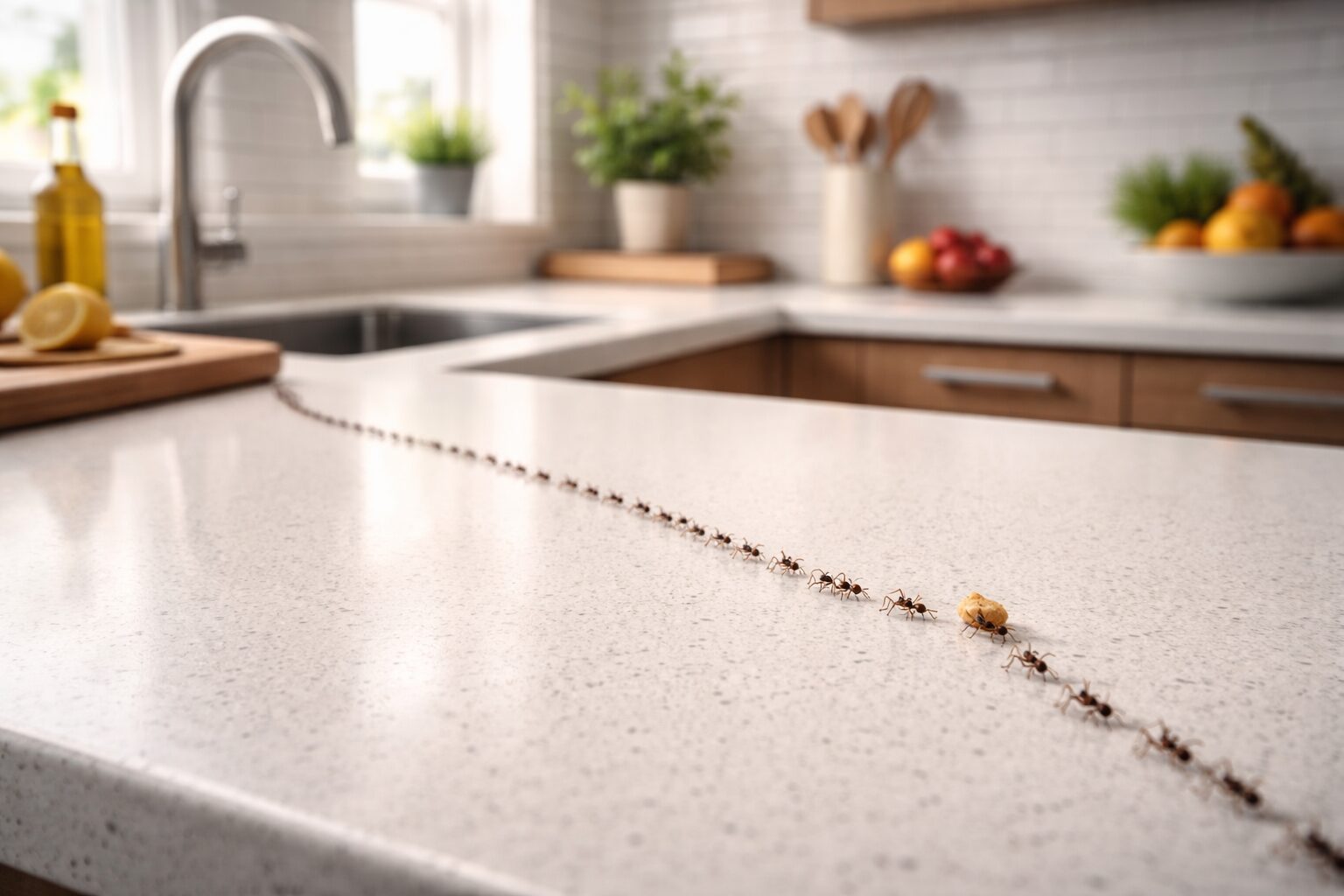
Seeing ants or cockroaches and spraying them may feel effective—but it’s not.
The problem:
- You’re only killing workers
- The colony remains intact
- Infestation continues
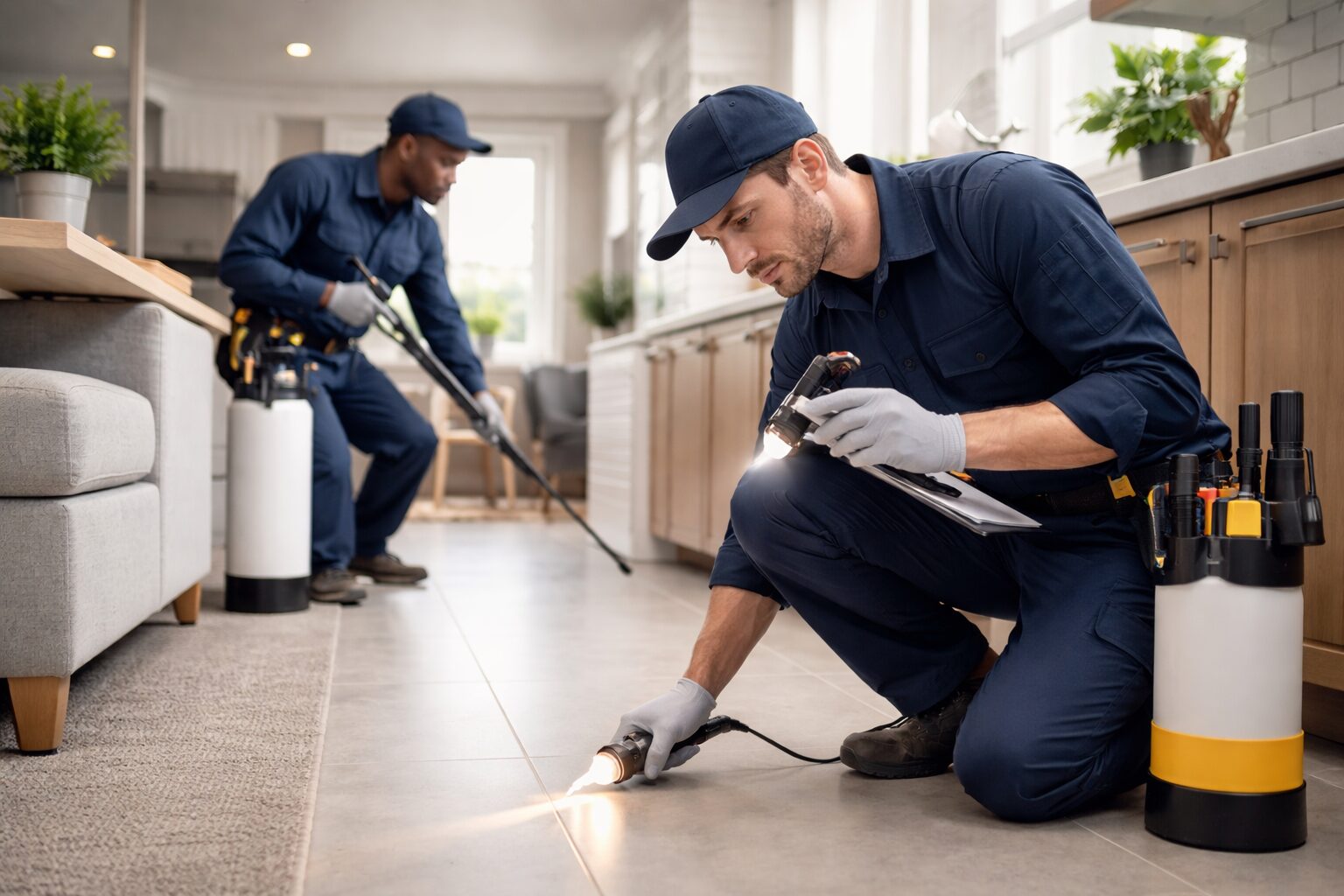
👉 Professional pest control services target the source—not just visible pests.
3. Using the Wrong Pest Control Equipment
Not all tools are created equal.
Common mistakes:
- Using cheap sprayers
- Buying ineffective repellents
- Using equipment incorrectly
👉 Investing in the best pest control equipment makes a huge difference.
4. Relying on Internet “Hacks”
Popular DIY hacks include:
- Vinegar sprays
- Baking soda mixtures
- Essential oils
Reality:
- Limited effectiveness
- No long-term impact
- Wastes time
5. Ignoring Entry Points
Most DIY efforts focus on killing pests—not stopping them from entering.
Common missed areas:
- Wall cracks
- Door gaps
- Plumbing openings
👉 Sealing entry points is a key part of professional pest control services.
6. Mixing Chemicals (Dangerous!)
Some DIYers mix cleaning products or pesticides.
This can cause:
- Toxic fumes
- Serious health risks
- Property damage
👉 Always avoid mixing chemicals without expert guidance.
Why DIY Pest Control Often Fails
1. Lack of Expertise
Professionals understand:
- Pest behavior
- Infestation patterns
- Treatment methods
2. Limited Equipment
Homeowners typically don’t have access to:
- Advanced pest control equipment
- Commercial-grade solutions
3. No Long-Term Strategy
DIY methods are reactive—not preventive.
Hidden Costs of DIY Pest Control
While DIY seems cheaper, it often costs more over time.
Common Costs:
- Repeated product purchases
- Property damage
- Escalating infestations
👉 Investing in professional pest control services often saves money long-term.
What to Do Instead: Smarter Pest Control Solutions
Instead of relying on ineffective DIY hacks, here’s what actually works.
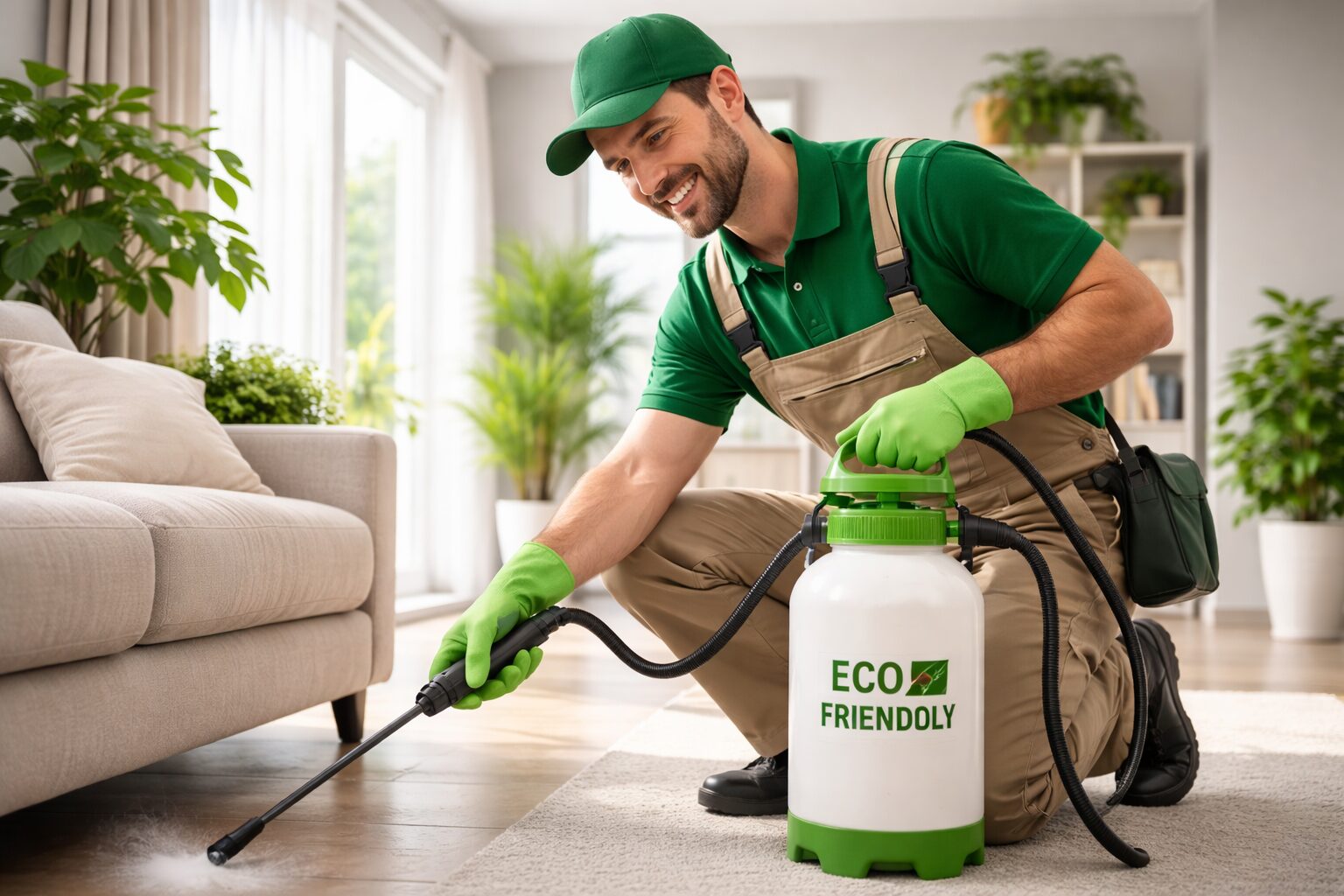
1. Use Proper Pest Control Equipment
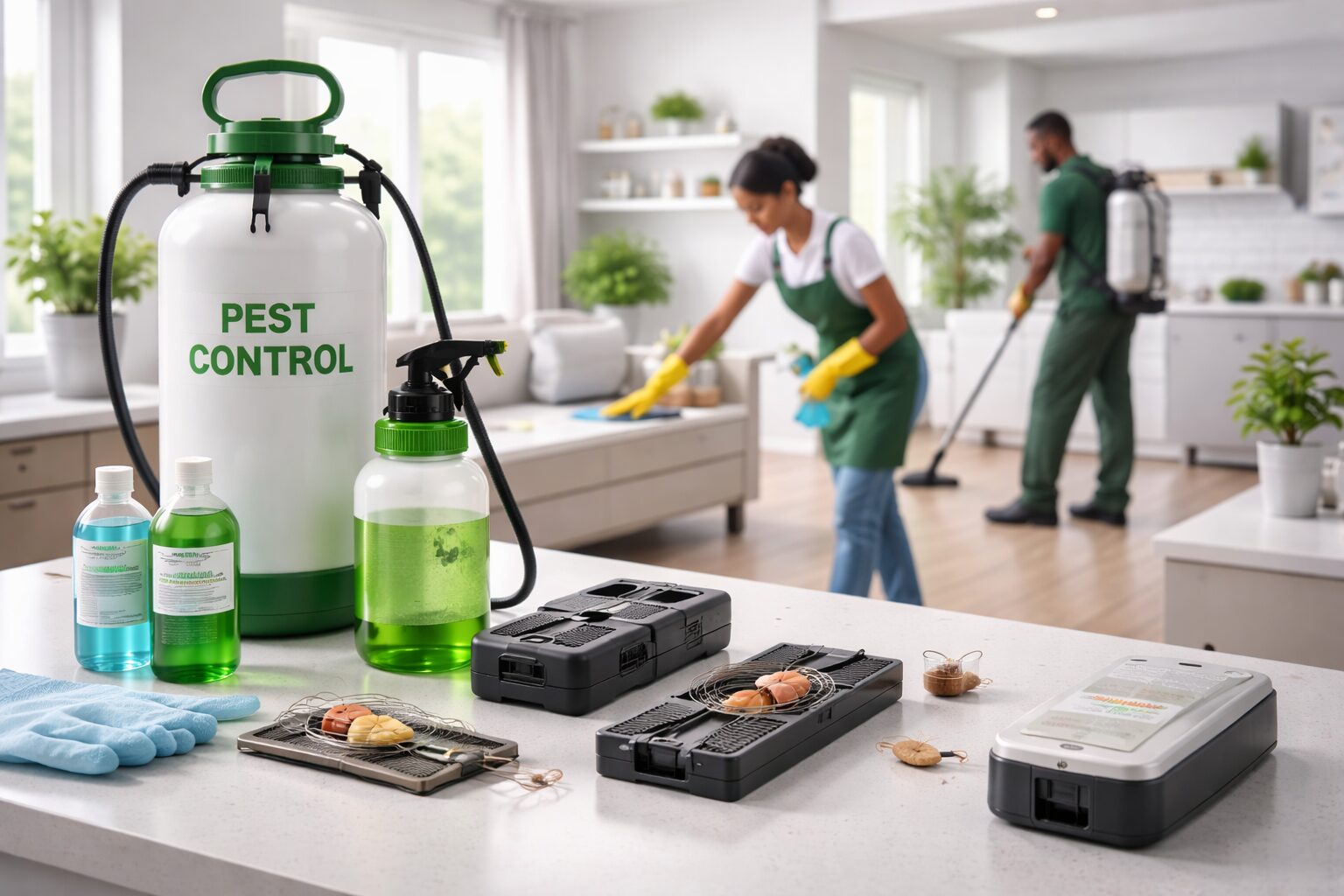
Effective tools include:
- Bait stations
- Professional sprayers
- Monitoring devices
These are designed to:
- Target infestations
- Reduce chemical use
- Deliver long-term results
2. Combine Prevention + Treatment
Effective pest control involves:
- Eliminating pests
- Blocking entry points
- Preventing future infestations
3. Hire Professional Pest Control Services
For serious problems, professionals are the best option.
Benefits:
- Expert diagnosis
- Advanced equipment
- Long-term solutions
Popular searches:
- pest control services near me
- affordable pest control services
- residential pest control services
4. Follow Integrated Pest Management (IPM)
This approach combines:
- Monitoring
- Prevention
- Targeted treatment
It’s the most effective long-term strategy.
Best Pest Control Equipment for Home Use
If you still prefer some DIY control, use the right tools.
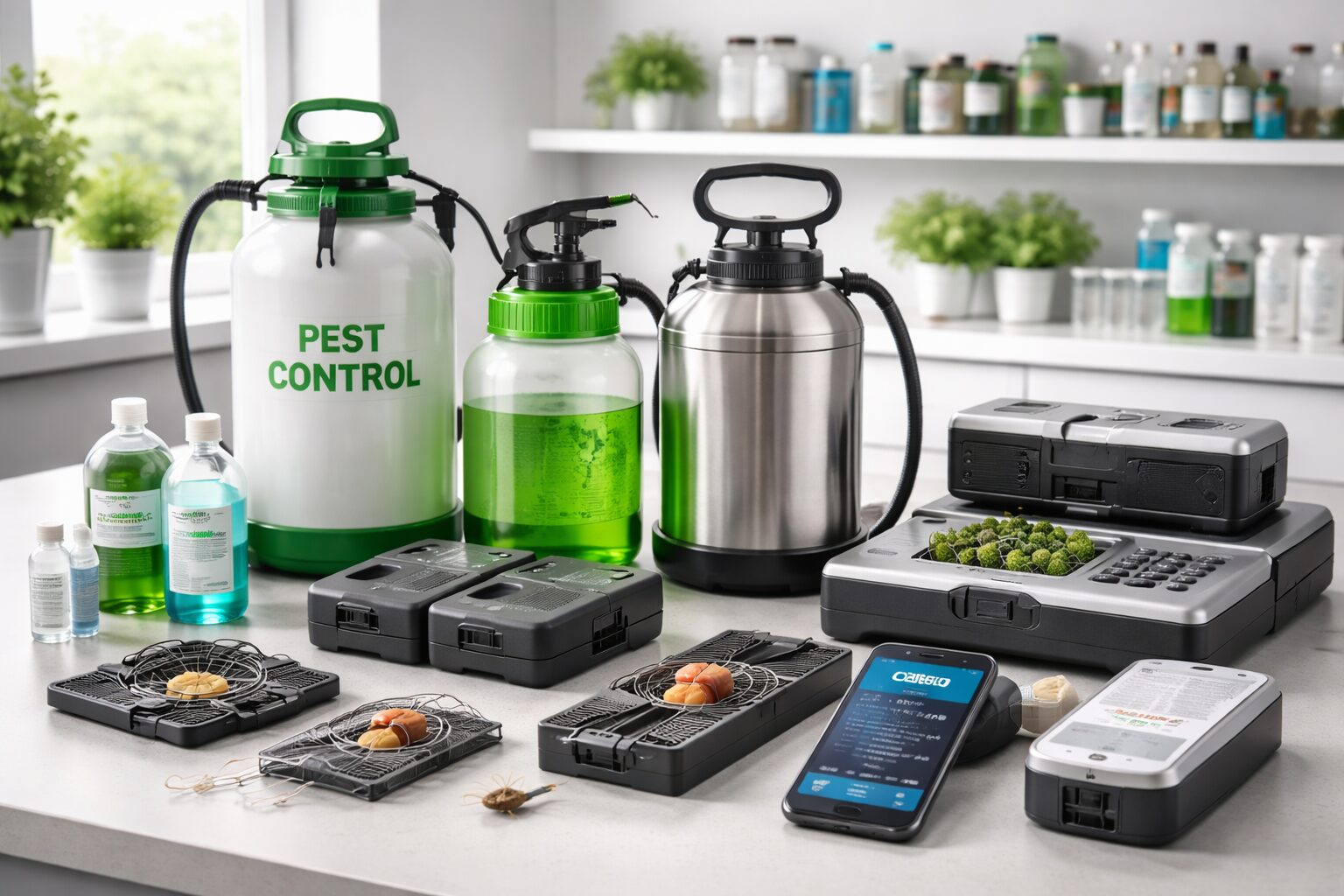
Recommended Equipment:
- Ant bait stations
- Rodent traps
- Insect growth regulators
- Protective gear
Keyword focus:
- buy pest control equipment
- pest control equipment for home use
- best pest control equipment
When Should You Stop DIY and Call Experts?
Call pest control services if:
- Infestation keeps returning
- You can’t locate the source
- Damage is increasing
- Health risks are involved
Common Myths About DIY Pest Control
Myth 1: Natural = Effective
Not always—many natural methods are weak.
Myth 2: One Treatment Is Enough
Most infestations require multiple steps.
Myth 3: DIY Is Always Cheaper
Long-term costs often prove otherwise.
Future of Pest Control: Smarter, Safer Solutions
In 2026 and beyond, pest control is evolving:
- Smart pest detection systems
- Eco-friendly pest control equipment
- AI-powered monitoring tools
👉 The focus is shifting toward efficient and sustainable pest control services.
Final Thoughts
DIY pest control hacks may seem appealing—but many backfire and make problems worse.
Key Takeaways:
- DIY methods often fail due to lack of expertise
- Wrong pest control equipment reduces effectiveness
- Professional pest control services offer long-term solutions
👉 The smartest approach is combining:
- Proper equipment
- Preventive strategies
- Expert services when needed
Related Posts:


 Get it on
  Download on the