Healthy, radiant skin starts with proper cleansing, and one of the most effective ways to maintain a smooth complexion is by using an exfoliating cleanser. Unlike ordinary face washes, exfoliating cleansers remove dirt, excess oil, dead skin cells, and impurities that clog pores and contribute to acne, blackheads, dullness, and uneven skin tone.
In Nigeria, where the hot and humid climate often leads to excessive sweating, oily skin, and environmental pollution, exfoliating cleansers have become an essential part of many skincare routines. Dermatologists recommend choosing gentle exfoliating cleansers that clean the skin without damaging its natural protective barrier. The right cleanser should suit your skin type while providing effective exfoliation.
An exfoliating cleanser is a facial cleanser formulated with ingredients that remove dead skin cells while cleansing the skin. Unlike harsh facial scrubs, most dermatologist-recommended exfoliating cleansers rely on chemical exfoliants such as Alpha Hydroxy Acids (AHAs), Beta Hydroxy Acids (BHAs), or Polyhydroxy Acids (PHAs), which loosen the bonds between dead skin cells without excessive friction. These ingredients improve skin texture while reducing irritation compared with aggressive scrubbing.
There are two major types:
Physical Exfoliating Cleansers
These contain tiny particles or beads that physically remove dead skin.
Examples include:
Jojoba beads
Rice powder
Bamboo powder
They should be used gently because excessive scrubbing may irritate the skin.
Chemical Exfoliating Cleansers
These use skin-friendly acids that dissolve dead skin cells.
Common ingredients include:
Salicylic Acid (BHA)
Glycolic Acid (AHA)
Lactic Acid (AHA)
Mandelic Acid
Gluconolactone (PHA)
Dermatologists generally recommend gentle chemical exfoliants because they provide more even exfoliation and reduce the risk of micro-tears compared with harsh scrubs.
Without proper exfoliation, skincare products such as serums and moisturizers may not penetrate effectively.
Ingredients Dermatologists Recommend
1. Salicylic Acid (BHA)
Salicylic acid is one of the most dermatologist-recommended ingredients for oily and acne-prone skin.
Benefits include:
Deep pore cleansing
Oil control
Blackhead removal
Whitehead reduction
Acne prevention
Anti-inflammatory effects
Since it is oil-soluble, it penetrates deep inside pores, making it especially effective for oily and acne-prone skin.
Ideal for:
Oily skin
Acne-prone skin
Combination skin
2. Glycolic Acid (AHA)
Glycolic acid is excellent for:
Dull skin
Hyperpigmentation
Fine lines
Uneven skin tone
It works mainly on the skin’s surface to brighten and smooth texture.
Ideal for:
Normal skin
Dry skin
Mature skin
3. Lactic Acid
Lactic acid is a gentler AHA that:
Hydrates while exfoliating
Improves texture
Brightens skin
Reduces dryness
It is often recommended for sensitive skin.
4. PHAs (Polyhydroxy Acids)
PHAs provide gentle exfoliation while helping maintain skin hydration, making them a good option for sensitive or easily irritated skin.
Ideal for:
Sensitive skin
Beginners
Dry skin
Best Exfoliating Cleansers Recommended by Dermatologists
1. CeraVe SA Smoothing Cleanser
One of the most recommended exfoliating cleansers worldwide.
Key ingredients:
Salicylic Acid
Ceramides
Hyaluronic Acid
Niacinamide
Benefits:
Removes dead skin
Unclogs pores
Hydrates skin
Repairs skin barrier
Suitable for acne-prone skin
Suitable for:
Oily skin
Combination skin
Rough skin
2. La Roche-Posay Effaclar Medicated Gel Cleanser
This cleanser is popular among dermatologists for acne treatment.
Key ingredients:
2% Salicylic Acid
Glycerin
Benefits:
Removes excess oil
Reduces acne
Clears blackheads
Prevents clogged pores
Best for:
Acne-prone skin
Oily skin
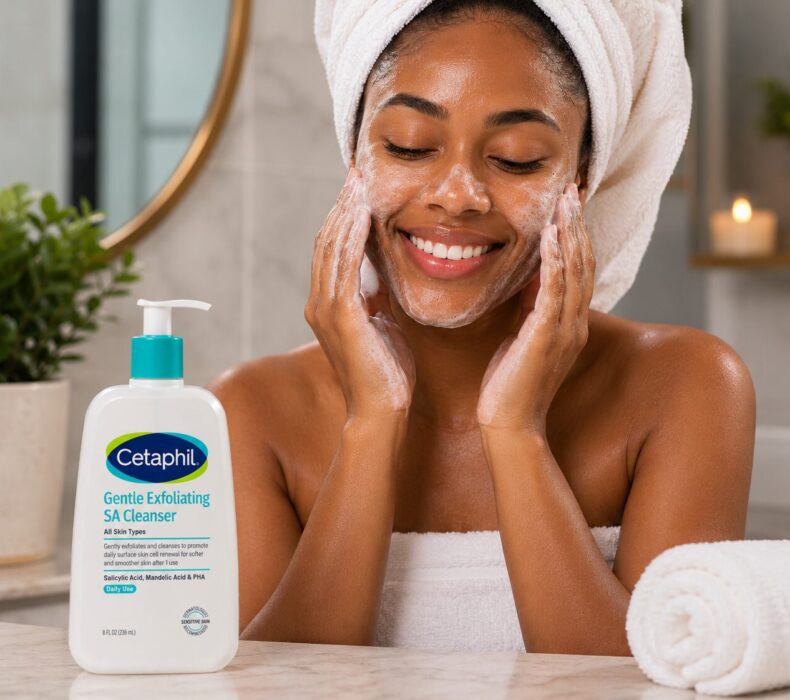
3. Cetaphil Gentle Exfoliating Cleanser
Perfect for people with sensitive skin.
Benefits:
Gentle exfoliation
Removes impurities
Brightens complexion
Maintains skin moisture
Ideal for:
Sensitive skin
Dry skin
4. Neutrogena Oil-Free Acne Wash
Contains salicylic acid to:
Reduce acne
Control oil
Prevent breakouts
Suitable for:
Teenagers
Adults with acne
5. COSRX Salicylic Acid Daily Gentle Cleanser
A favorite among Korean skincare lovers.
Benefits:
Controls sebum
Clears pores
Prevents acne
Smooths skin
Best for:
Oily skin
Combination skin
6. The Inkey List Salicylic Acid Cleanser
Known for its minimalist formula.
Benefits include:
Deep cleansing
Gentle exfoliation
Acne control
Reduced shine
Suitable for:
Acne-prone skin
Oily skin
7. SkinCeuticals Glycolic Renewal Cleanser
Premium exfoliating cleanser containing:
Glycolic Acid
Phytic Acid
Glycerin
Benefits:
Brightens skin
Improves texture
Reduces pigmentation
Smooths rough patches
Ideal for:
Mature skin
Hyperpigmented skin
8. Paula’s Choice Pore Normalizing Cleanser
Dermatologists often recommend this cleanser because it:
Removes excess oil
Clears pores
Maintains skin balance
Ideal for:
Oily skin
Acne-prone skin
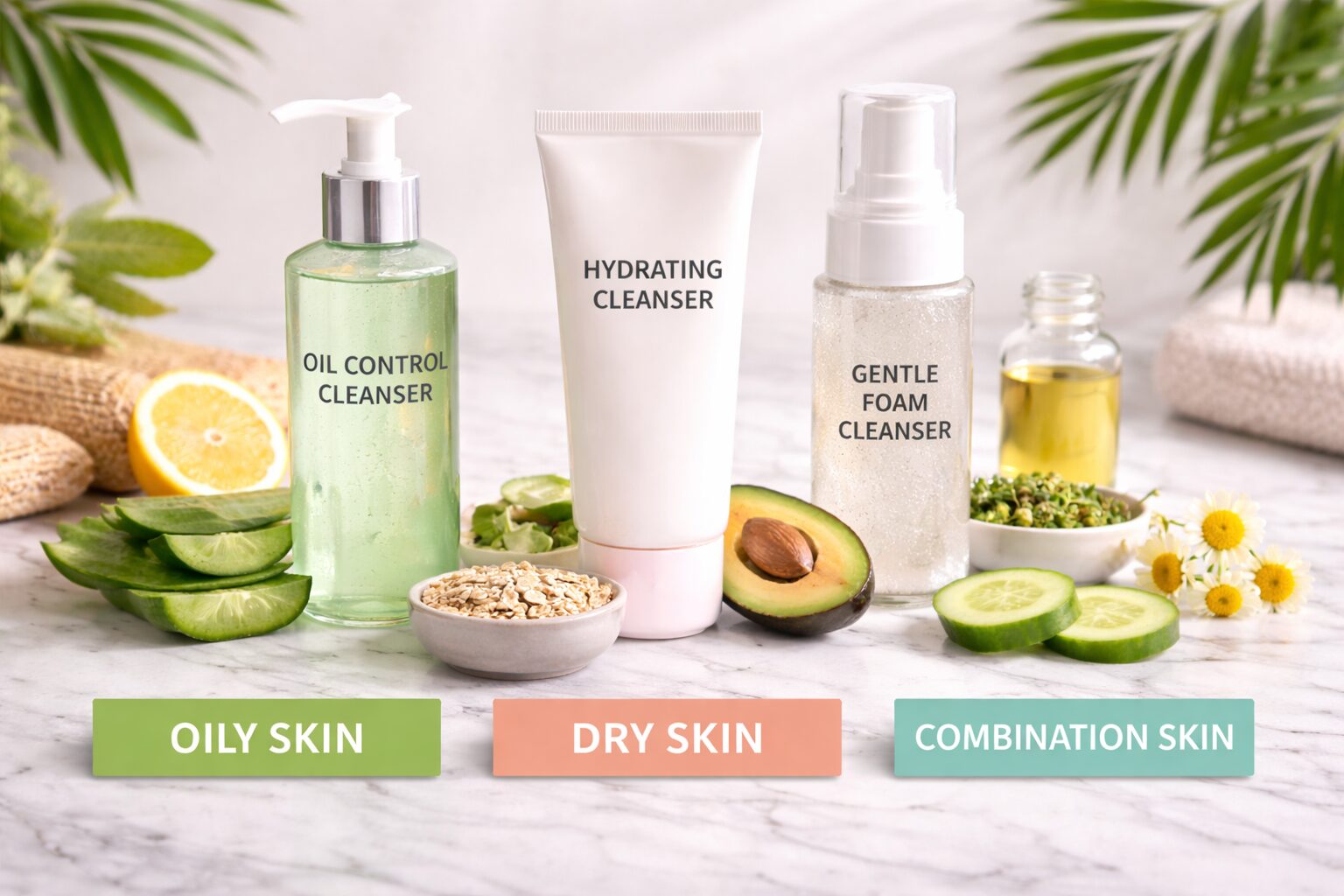
How to Choose the Right Exfoliating Cleanser
For Oily Skin
Choose cleansers containing:
Salicylic Acid
Niacinamide
These reduce excess oil while keeping pores clear.
For Dry Skin
Choose products containing:
Lactic Acid
Ceramides
Hyaluronic Acid
These help exfoliate without stripping moisture.
For Sensitive Skin
Look for:
PHAs
Lactic Acid
Fragrance-free formulas
Avoid harsh scrubs.
For Acne-Prone Skin
Dermatologists recommend:
Salicylic Acid
Zinc
Niacinamide
These ingredients reduce inflammation and clogged pores.
For Hyperpigmentation
Choose products containing:
Glycolic Acid
Mandelic Acid
Lactic Acid
These ingredients encourage healthy skin cell turnover and help improve uneven skin tone over time.
How Often Should You Use an Exfoliating Cleanser?
Frequency depends on your skin type.
Oily skin
3–4 times weekly
Combination skin
2–3 times weekly
Dry skin
1–2 times weekly
Sensitive skin
Once weekly initially
Many dermatologists advise limiting exfoliation to one to three times per week for most people to avoid irritation and protect the skin barrier, although some mild cleansers are formulated for more frequent use.
Common Mistakes to Avoid
Avoid these skincare mistakes:
Over-exfoliating
Too much exfoliation can damage the skin barrier, causing redness, irritation, dryness, and breakouts.
Using Harsh Scrubs
Large abrasive particles can create tiny tears in the skin.
Skipping Moisturizer
Always moisturize after exfoliating.
Forgetting Sunscreen
Exfoliation makes skin more sensitive to sunlight. Daily sunscreen helps protect against sun damage and hyperpigmentation, especially when using AHAs or BHAs.
Mixing Too Many Active Ingredients
Avoid combining multiple exfoliating acids, retinoids, or strong treatments without professional guidance.
Tips for Nigerian Skincare Enthusiasts
For the Nigerian climate:
Wash your face twice daily.
Use a gentle exfoliating cleanser suited to your skin type.
Apply a lightweight moisturizer after cleansing.
Wear broad-spectrum SPF 30 or higher every morning.
Patch-test any new skincare product before full use.
Final Thoughts
Choosing the best exfoliating cleanser can significantly improve your skincare routine, especially in Nigeria’s hot and humid environment. By removing dead skin cells, unclogging pores, and promoting healthy skin renewal, dermatologist-recommended exfoliating cleansers help address common concerns such as acne, dullness, uneven skin tone, and rough texture.
When selecting a product, focus on your skin type rather than following trends. Oily and acne-prone skin generally benefits from salicylic acid-based cleansers, while dry or mature skin often responds well to glycolic or lactic acid formulations. If your skin is sensitive, choose mild, fragrance-free cleansers containing PHAs or low-strength AHAs and introduce them gradually.
Consistency is more important than aggressive exfoliation. Pair your cleanser with a moisturizer and daily sunscreen to protect your skin barrier and maintain long-term results. If you experience persistent acne, severe sensitivity, or worsening pigmentation, consult a board-certified dermatologist for personalized advice. With the right exfoliating cleanser and a balanced skincare routine, you can achieve healthier, smoother, and more radiant skin.











 Get it on
  Download on the