Achieving smooth, radiant and healthy-looking skin often requires more than cleansing and moisturizing. Dead skin cells can build up on the surface of the skin, leaving it looking dull, rough, uneven or congested. This is where exfoliating padscan become a useful addition to a skincare routine.
Exfoliating pads are pre-soaked skincare pads designed to remove or loosen dead skin cells while helping to improve the appearance and texture of the skin. Depending on the formulation, they may contain ingredients such as glycolic acid, salicylic acid, lactic acid, mandelic acid, or other exfoliating and skin-conditioning ingredients.
They are popular because they are convenient, easy to use and generally require little preparation. However, using them too frequently or choosing a formula that is too strong for your skin can cause dryness, irritation or sensitivity.
In this guide, we will explain what exfoliating pads are, their benefits and uses, potential side effects, how to use them correctly, and how to choose the right exfoliating pads for your skin type.
What Are Exfoliating Pads?
Exfoliating pads are skincare pads infused with a liquid or serum containing ingredients that help remove dead skin cells from the skin’s surface.
Some pads rely primarily on chemical exfoliants, while others may combine chemical exfoliation with gentle physical texture. Chemical exfoliating pads commonly contain alpha hydroxy acids (AHAs), beta hydroxy acids (BHAs), or polyhydroxy acids (PHAs).
Common ingredients in exfoliating pads
Glycolic acid: A powerful AHA that helps loosen dead skin cells and can improve the appearance of dull or uneven skin.
Lactic acid: A gentler AHA that exfoliates while helping the skin retain moisture, making it a popular choice for dry or sensitive skin.
Salicylic acid: A BHA that can penetrate into oily pores and is commonly used in products designed for oily or blemish-prone skin.
Mandelic acid: A relatively gentle AHA with larger molecules than glycolic acid, making it an option for people who want milder exfoliation.
PHA: Polyhydroxy acids are generally considered gentler exfoliating acids and may be suitable for people who find stronger acids irritating.
The concentration and combination of ingredients vary between products, so it is important to read the product instructions before use.
Benefits of Exfoliating Pads
When used correctly, exfoliating pads can provide several skincare benefits.
1. Remove dead skin cells
One of the main purposes of exfoliation is to help remove accumulated dead skin cells. When these cells remain on the skin’s surface, they can contribute to a dull and rough appearance.
Regular, appropriate exfoliation can help reveal fresher-looking skin underneath.
2. Improve skin texture
If your skin feels rough or uneven, exfoliating pads may help create a smoother-feeling surface. Ingredients such as glycolic acid, lactic acid and salicylic acid can help improve the appearance of uneven texture over time.
3. Help brighten dull-looking skin
Dead skin buildup can make the complexion appear tired or lackluster. Exfoliation can help improve skin radiance by removing some of the surface buildup responsible for a dull appearance.
However, exfoliating does not mean that stronger or more frequent use will automatically produce brighter skin. Over-exfoliation can have the opposite effect by irritating the skin.
4. Help unclog pores
Exfoliating pads containing salicylic acid may be particularly useful for oily and blemish-prone skin. Salicylic acid can help remove excess oil and dead cells that contribute to clogged pores.
This may make exfoliating pads a useful option for people dealing with blackheads and congestion.
5. Support a smoother-looking complexion
Consistent but moderate exfoliation may help improve the overall appearance of uneven skin texture. This can make the skin look smoother and more refined.
6. Improve the appearance of uneven skin tone
Certain exfoliating acids can help improve the appearance of uneven pigmentation and post-blemish marks over time by increasing the shedding of surface skin cells.
Results vary from person to person, and persistent pigmentation may require a more comprehensive skincare routine.
7. Prepare the skin for other skincare products
By removing some surface buildup, exfoliation may help skincare products spread more evenly across the skin. However, exfoliating pads should not be viewed as a way to make every skincare product penetrate deeper.
The priority should always be maintaining a healthy skin barrier.
What Are Exfoliating Pads Used For?
The uses of exfoliating pads depend largely on their ingredients and formulation.
They may be used to help address:
Dull-looking skin
Rough skin texture
Uneven-looking complexion
Excess surface oil
Clogged pores
Blackheads
Mild blemish-related congestion
The appearance of post-blemish marks
Dry or flaky surface buildup
Some exfoliating pads are formulated specifically for the face, while others are designed for areas such as the neck, chest, arms, elbows or feet.
Always check the product label to determine where the pads are intended to be used.
How to Use Exfoliating Pads Correctly
Knowing how to use exfoliating pads is important because improper use can lead to irritation.
Step 1: Cleanse your skin
Start with a gentle cleanser to remove makeup, sunscreen, dirt and excess oil. Pat your skin dry unless the product specifically instructs you to apply it to damp skin.
Step 2: Read the product instructions
Different exfoliating pads have different formulas. Some are designed for daily use, while others may only be appropriate a few times per week.
Do not automatically assume that a stronger product will deliver better results.
Step 3: Apply the pad gently
Take one pad and gently sweep it over the intended area. Avoid aggressive rubbing or repeatedly going over the same area.
If the product is intended for the face, avoid the delicate eye area and broken or irritated skin.
Step 4: Allow the product to work
Some exfoliating pads are leave-on products, while others need to be rinsed after a specified amount of time.
Follow the manufacturer’s directions rather than guessing.
Step 5: Moisturize
After exfoliation, apply a suitable moisturizer to help support the skin barrier and reduce the risk of excessive dryness.
Step 6: Use sunscreen during the day
If you exfoliate your skin, sunscreen becomes particularly important. Some exfoliating ingredients can increase sensitivity to sunlight.
Apply a broad-spectrum sunscreen during the day and follow the product’s sun-safety instructions.
How Often Should You Use Exfoliating Pads?
There is no universal frequency that works for everyone.
Beginners may want to start with exfoliating pads once or twice a week, depending on the product’s strength and their skin’s tolerance. If the skin responds well, usage can potentially be increased according to the manufacturer’s instructions.
Avoid using exfoliating pads multiple times a day unless the product is specifically formulated and labeled for that purpose.
Signs that you may be exfoliating too often include:
Burning or stinging
Persistent redness
Tightness
Excessive dryness
Peeling
Increased sensitivity
A worsening of irritation or breakouts
If these symptoms occur, stop exfoliating temporarily and focus on gentle cleansing, moisturizing and sun protection.
Side Effects of Exfoliating Pads
Although exfoliating pads can be beneficial, they are not suitable for unlimited use.
Skin irritation
Acid-based exfoliants can cause irritation, particularly when used too frequently or at high concentrations.
Dryness
Excessive exfoliation can strip the skin of oils and disrupt its protective barrier, resulting in dry or tight-feeling skin.
Redness
Sensitive skin may become red or uncomfortable after using a strong exfoliating product.
Increased sensitivity
Exfoliation can make skin more sensitive to other active ingredients and environmental factors. This is another reason to introduce exfoliating pads gradually.
Increased sun sensitivity
Some exfoliating ingredients can increase sensitivity to sunlight. Daily sunscreen use is therefore an important part of a skincare routine that includes exfoliation.
Who Should Use Exfoliating Pads?
Exfoliating pads can be useful for many people, but the best product depends on individual skin needs.
Oily skin: Salicylic acid exfoliating pads may be useful for managing excess oil and clogged pores.
Dry skin: Gentle lactic acid or PHA formulas may be preferable to stronger exfoliants.
Combination skin: A moderate exfoliating formula may help with oily areas while avoiding excessive exfoliation of drier areas.
Sensitive skin: Look for gentle formulations and introduce them slowly. Avoid using exfoliating pads on already irritated skin.
Normal skin: A mild exfoliating pad may be incorporated into a routine according to the product instructions and skin tolerance.
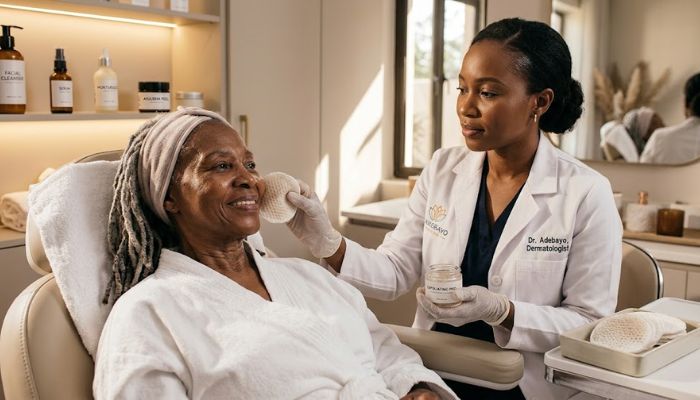
If you have a persistent skin condition or severe irritation, consider speaking with a dermatologist before introducing exfoliating acids.
Exfoliating Pads vs. Scrubs: What’s the Difference?
Exfoliating pads and physical scrubs both help remove dead skin cells, but they work differently.
Physical scrubs generally contain particles that manually loosen and remove surface buildup. Exfoliating pads often use chemical exfoliating ingredients to loosen the bonds between dead skin cells.
Neither option is automatically better for everyone. The best choice depends on your skin type, concerns, sensitivity and the specific formulation.
People with sensitive or easily irritated skin may prefer a gentle chemical exfoliant over a harsh physical scrub, but even chemical exfoliants can cause irritation if overused.
Can You Use Exfoliating Pads Every Day?
Some products are specifically formulated for frequent use, but daily exfoliation is not necessary for everyone.
Using an exfoliating pad every day without considering the strength of the formula can increase the risk of irritation and barrier damage.
Always follow the manufacturer’s directions. If you are new to exfoliation, starting less frequently allows you to observe how your skin reacts.
Can You Use Exfoliating Pads With Other Active Ingredients?
Be careful when combining exfoliating pads with other powerful skincare ingredients.
For example, using exfoliating acids at the same time as retinoids, benzoyl peroxide or other exfoliating acids may increase the risk of dryness and irritation for some people.
A simple routine can often be more effective than using several strong active ingredients simultaneously.
For example:
Morning: Cleanser → Moisturizer → Sunscreen
Evening: Cleanser → Exfoliating Pad → Moisturizer
On nights when you are not exfoliating, you can use your normal treatment products according to your skin’s needs and tolerance.
How to Choose the Best Exfoliating Pads
When shopping for exfoliating pads, consider the following:
Check the active ingredient: Glycolic acid, lactic acid, salicylic acid and PHAs have different properties.
Consider your skin type: Oily skin may benefit from salicylic acid, while dry or sensitive skin may prefer gentler formulas.
Start with a mild formula: Beginners do not necessarily need high-strength acids.
Check the instructions: Follow the recommended application frequency and whether the product should be rinsed.
Avoid unnecessary fragrance if sensitive: Fragrance is not automatically harmful, but people with sensitive skin may prefer simpler formulations.
Look at the complete ingredient list: The acid concentration is important, but other ingredients can also affect how the product feels and performs.
Final Thoughts
Exfoliating pads are convenient skincare products that can help remove dead skin cells, improve the appearance of dullness, smooth uneven texture and, depending on the formula, support clearer-looking pores.
The key to getting good results is moderation. More exfoliation does not necessarily mean better skin. Starting slowly, choosing an appropriate formula for your skin type, moisturizing regularly and using sunscreen can help you incorporate exfoliating pads into a balanced skincare routine.
If your skin becomes persistently irritated, dry, red or uncomfortable, stop using the product and allow your skin barrier to recover. For persistent skin concerns, professional advice from a dermatologist can help you choose an appropriate treatment.
With the right product and proper application, exfoliating pads can be a simple and convenient addition to a well-rounded skincare routine.













 Get it on
  Download on the