If you are new to chemical exfoliation and want smoother, brighter and more even-looking skin without starting with an aggressive facial peel, exfoliating peel pads can be a convenient option. These pre-soaked skincare pads combine ingredients such as alpha hydroxy acids (AHAs), beta hydroxy acids (BHAs), polyhydroxy acids (PHAs) and soothing ingredients to help remove dead skin cells and improve the appearance of dull or congested skin.
For Nigerian skincare users, choosing the best exfoliating peel pads for beginners in Nigeria requires more than looking at how strong a product is. Climate, skin type, existing skincare products, sensitivity and the tendency to develop dark marks after irritation should all be considered.
Dermatologists recommend selecting an exfoliation method according to your skin type and avoiding over-exfoliation because excessive exfoliation can cause redness, irritation and breakouts. People with darker skin tones should also be particularly careful with aggressive exfoliation because irritation can sometimes trigger increased pigmentation.
What Are Exfoliating Peel Pads?
Exfoliating peel pads are pre-soaked cotton or textured pads containing skincare ingredients designed to exfoliate the skin. Instead of applying a separate acid toner or peel with your hands, you simply swipe the pad gently across clean skin according to the product’s instructions.
Most exfoliating peel pads contain chemical exfoliants such as:
Glycolic acid
Lactic acid
Mandelic acid
Salicylic acid
Gluconolactone
Other AHAs, BHAs or PHAs
AHAs primarily work on the surface of the skin to loosen dead skin-cell buildup, while salicylic acid, a BHA, is particularly useful for oily and congested skin because it can work within pores.
Some peel pads also contain ingredients such as niacinamide, hyaluronic acid, panthenol, aloe vera or botanical extracts to complement the exfoliating ingredients.
Why Use Exfoliating Peel Pads?
When used correctly, exfoliating peel pads can help improve several common skincare concerns.
1. Remove Dead Skin Cells
Dead skin-cell buildup can leave the complexion looking dull, rough or uneven. Chemical exfoliants help loosen these cells, allowing the skin’s surface to appear smoother.
2. Improve Skin Texture
Regular but controlled exfoliation can make rough or uneven-looking skin feel softer and smoother.
3. Brighten Dull-Looking Skin
Exfoliation can help reveal fresher-looking skin underneath surface buildup, which may make the complexion appear brighter.
4. Help Unclog Pores
Products containing salicylic acid may be useful for oily and acne-prone skin because BHA can penetrate into pores and help address congestion.
5. Improve the Appearance of Uneven Skin Tone
Some exfoliating acids can help improve the appearance of uneven pigmentation over time. However, aggressive exfoliation is not the answer to every pigmentation concern. Irritation itself can worsen dark marks, particularly in darker skin tones.
Are Peel Pads Good for Beginners?
Yes, mild exfoliating peel pads can be suitable for beginners, provided they are introduced slowly and used according to the manufacturer’s instructions.
The key word is mild. Beginners should not automatically choose the strongest acid concentration because a stronger product does not necessarily mean better results.
For example, The Ordinary’s AHA 30% + BHA 2% Peeling Solution is specifically described by the manufacturer as suitable only for experienced users of acid exfoliation.
This illustrates an important difference between a beginner-friendly exfoliating pad and a high-strength chemical peel.
If you have never used acids before, look for products marketed as gentle, beginner-friendly, daily or weekly exfoliating pads, depending on the formulation.
What Ingredients Should Beginners Look For?
Lactic Acid
Lactic acid is an AHA that can provide surface exfoliation while being commonly formulated in relatively gentle skincare products. It can be a useful ingredient to consider when your primary concerns are dullness and uneven texture.
Mandelic Acid
Mandelic acid is another AHA frequently used in products designed for more sensitive or beginner skin routines. Its larger molecular structure is often associated with slower penetration compared with smaller AHAs such as glycolic acid.
Glycolic Acid
Glycolic acid is a powerful AHA that can improve the appearance of texture, dullness and uneven tone. However, beginners should pay attention to concentration and frequency rather than assuming that a higher percentage is better.
Salicylic Acid
Salicylic acid is particularly useful for oily, acne-prone and congested skin. It can help exfoliate inside pores and is commonly included in products targeting blackheads and blemishes.
PHA
Polyhydroxy acids such as gluconolactone are generally considered a gentler category of chemical exfoliant and may be worth considering if your skin is easily irritated.
Best Exfoliating Peel Pads for Different Skin Types
There is no single peel pad that is perfect for everyone. Your skin type should influence the formula you choose.
Best Exfoliating Peel Pads for Oily Skin
If you have oily skin, consider peel pads containing salicylic acid or a balanced AHA/BHA formula.
Salicylic acid may help address excess oil, clogged pores and blackheads. Avoid using several strong acne treatments simultaneously, particularly when your skin is new to exfoliation.
Best Peel Pads for Acne-Prone Skin
For acne-prone skin, salicylic-acid-based pads may be a practical option. However, exfoliating pads should not be treated as a complete acne treatment.
If you experience persistent, painful or severe acne, a dermatologist can help determine the appropriate treatment.
Best Peel Pads for Dry Skin
Dry skin may benefit from a gentle AHA such as lactic acid combined with hydrating ingredients.
Avoid aggressively scrubbing the face with the pad. Chemical exfoliation does not require vigorous rubbing.
Best Peel Pads for Sensitive Skin
If your skin is sensitive, look for lower-strength formulas or PHA-based products and avoid combining multiple exfoliating products.
The American Academy of Dermatology recommends choosing an exfoliation method appropriate for your skin type and being especially careful to avoid over-exfoliation.
Best Peel Pads for Hyperpigmentation-Prone Skin
If you are concerned about dark spots or post-acne marks, a gentle exfoliating formula may help improve overall skin texture and tone over time.
However, more aggressive exfoliation can cause irritation and potentially worsen pigmentation. This is particularly important for people with darker skin tones.
For this reason, gradual exfoliation combined with daily sunscreen is generally a better approach than using a very strong peel frequently.
How to Use Exfoliating Peel Pads for the First Time
If you are a beginner, start conservatively.
Step 1: Cleanse Your Face
Use a gentle facial cleanser to remove dirt, sweat, oil and makeup. Pat your skin dry.
Step 2: Patch Test
Before applying a new exfoliating product across your entire face, patch-test it according to the product’s instructions.
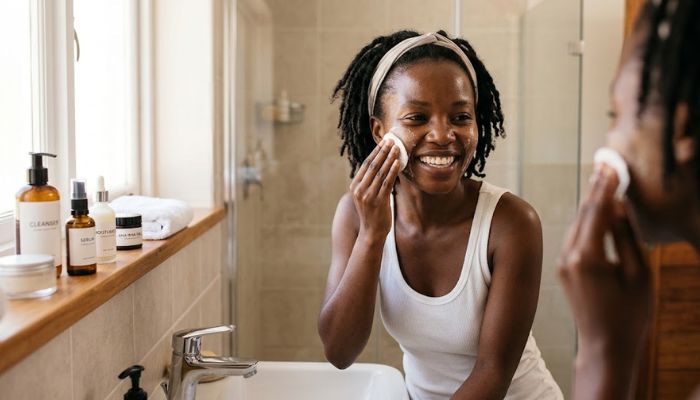
Step 3: Apply the Pad Gently
Swipe the pad lightly over the face, avoiding the eyes, lips and any irritated or broken areas.
Do not scrub aggressively. The acids are designed to work chemically, so excessive rubbing can increase irritation.
Step 4: Follow the Product Instructions
Some peel pads are leave-on products, while others may require rinsing. Always follow the manufacturer’s instructions.
Step 5: Moisturize
Follow with a gentle moisturizer to support the skin barrier. Dermatologists recommend moisturizing after exfoliation because exfoliating can dry the skin.
Step 6: Use Sunscreen During the Day
Some chemical exfoliants can increase skin sensitivity to sunlight. Use broad-spectrum sunscreen during the day and take sensible sun-protection measures.
How Often Should Beginners Use Peel Pads?
Do not assume that exfoliating every day will produce faster results.
A beginner may start with once a week, observe how the skin responds, and gradually increase frequency only if the specific product allows it and the skin remains comfortable.
The stronger the exfoliating formula, the more cautious you should be with frequency.
Signs that you may be exfoliating too frequently include:
Persistent redness
Burning or stinging
Excessive dryness
Flaking
Increased sensitivity
Tight or uncomfortable skin
New irritation-related breakouts
If these symptoms develop, stop exfoliating until your skin recovers.
What Should You Avoid Mixing With Exfoliating Peel Pads?
One of the biggest beginner mistakes is combining too many active skincare products.
Be particularly cautious when using peel pads alongside:
Retinol
Prescription retinoids
Benzoyl peroxide
Other exfoliating acids
Strong acne treatments
Physical facial scrubs
Other peeling products
The American Academy of Dermatology notes that products such as retinoids and benzoyl peroxide can make skin more sensitive, and combining them with exfoliation may worsen dryness or irritation.
A simple beginner routine is often better:
Morning: Cleanser → Moisturizer → Sunscreen
Evening: Cleanser → Exfoliating Peel Pad on designated nights → Moisturizer
On other evenings, keep your routine simple and focus on hydration and barrier support.
Exfoliating Peel Pads vs Facial Scrubs
Both methods can remove dead skin cells, but they work differently.
Facial scrubs use physical particles or tools to manually remove surface cells. Peel pads generally use chemical exfoliants to loosen and dissolve dead skin-cell buildup.
For sensitive or acne-prone skin, a gentle chemical exfoliant may sometimes be preferable to aggressive physical scrubbing.
However, chemical exfoliation is not automatically safer simply because there are no scrub particles. Strong acids can still irritate the skin when used incorrectly.
How to Choose the Best Exfoliating Peel Pads in Nigeria
When shopping for exfoliating peel pads in Nigeria, consider these factors:
1. Check the Active Ingredients
Look for clearly listed AHAs, BHAs or PHAs and understand what each ingredient is designed to do.
2. Choose a Beginner-Friendly Strength
Avoid choosing a product simply because it has the highest acid percentage.
3. Consider Your Skin Type
Oily skin may benefit from salicylic acid, while dry or dull skin may prefer a gentle AHA. Sensitive skin may be better suited to milder formulas.
4. Look for Soothing Ingredients
Ingredients such as panthenol, aloe vera, glycerin or hyaluronic acid can complement exfoliating formulas.
5. Check the Instructions
A good product should clearly explain how often it should be used and whether it is a leave-on or rinse-off treatment.
6. Buy From a Trusted Skincare Store
Counterfeit or poorly stored skincare products can be a concern. Buy from reputable retailers and check packaging, ingredients, expiry information and product authenticity where possible.
Are Exfoliating Peel Pads Safe for Dark Skin?
They can be, but strength and frequency matter.
Having a darker skin tone does not mean you cannot use chemical exfoliants. However, irritation can contribute to post-inflammatory hyperpigmentation, making aggressive exfoliation particularly undesirable if you are already prone to dark marks.
The AAD specifically advises caution with strong chemical or mechanical exfoliation for people with darker skin tones or those who develop dark spots after skin injuries or acne.
Therefore, beginners should prioritize gentle formulations, gradual introduction, moisturization and consistent sun protection.
Common Mistakes Beginners Should Avoid
Using Peel Pads Every Day
More frequent exfoliation does not automatically produce faster results.
Scrubbing Hard
The pad should glide gently over the skin. Aggressive rubbing can cause unnecessary irritation.
Using Multiple Acids Together
Using an exfoliating pad, acid serum, peeling solution and scrub on the same day can overwhelm the skin.
Ignoring Sunscreen
Sun protection is an important part of any routine involving exfoliating acids.
Applying to Damaged Skin
Never exfoliate skin that is sunburned, wounded or visibly irritated.
Expecting Instant Results
Exfoliation can improve the appearance of skin over time, but pigmentation, acne and texture concerns often require consistent skincare and, in some cases, professional treatment.
Frequently Asked Questions
Can beginners use exfoliating peel pads?
Yes. Beginners can use appropriately formulated, gentle peel pads, but should start slowly and follow the product’s directions.
How many times a week should I use exfoliating peel pads?
Starting once weekly is a cautious approach for beginners. Increase frequency only if the product instructions permit it and your skin tolerates it well.
Are peel pads good for acne?
Some peel pads containing salicylic acid may help with clogged pores and oily, acne-prone skin. However, persistent or severe acne may require professional treatment.
Can exfoliating pads remove dark spots?
Exfoliating ingredients may improve the appearance of uneven tone and post-acne marks over time, but aggressive exfoliation can cause irritation and potentially worsen pigmentation.
Should I moisturize after using peel pads?
Yes. Moisturizing after exfoliation can help reduce dryness and support the skin barrier.
Can I use retinol with exfoliating peel pads?
Using both can increase irritation for some people. Beginners should generally avoid using strong exfoliating pads and retinol on the same night unless advised otherwise by a qualified skincare professional.
Final Thoughts
The best exfoliating peel pads for beginners in Nigeria are not necessarily the strongest or most expensive options. The right product should match your skin type, contain an appropriate exfoliating ingredient, have clear usage instructions and fit comfortably into your existing skincare routine.
If you are completely new to chemical exfoliation, start with a gentle formula, use it infrequently and monitor how your skin responds. Avoid combining several strong active ingredients at once, moisturize after exfoliation and use sunscreen consistently.
Most importantly, remember that healthy skin does not require aggressive peeling. The goal is to remove excess dead skin cells while maintaining a strong, comfortable skin barrier.













 Get it on
  Download on the