Creating a fresh and relaxing home does not always require major changes. In fact, addingindoor plants is one of the easiest ways to bring a natural feeling into your space. Plants can add color, texture, and life while making rooms feel more welcoming.
However, creating a natural look is about more than simply placing plants around a room. You need to choose suitable plants, attractive containers, and the right locations. Therefore, with a few thoughtful steps, you can create a balanced and beautiful indoor space inspired by nature.
Choose Indoor Plants That Suit Your Space
The first step is to choose indoor plants that match your home’s lighting, temperature, and available space. Different plants have different needs, so understanding your environment will help you make better choices.
For example, snake plants, pothos, spider plants, and ZZ plants can work well in many indoor environments. Meanwhile, plants that require brighter light are better suited to rooms with large windows.
Consider Your Available Light
Before buying a plant, observe how much natural light enters each room. A bright living room may support plants that need plenty of sunlight, while darker corners may require low-light varieties.
Additionally, avoid placing plants where harsh sunlight could damage their leaves. Instead, choose locations where they can receive the amount of light they need.
Mix Different Plant Sizes
A natural-looking arrangement should have variety. Instead of using plants that are all the same height, combine small, medium, and large plants.
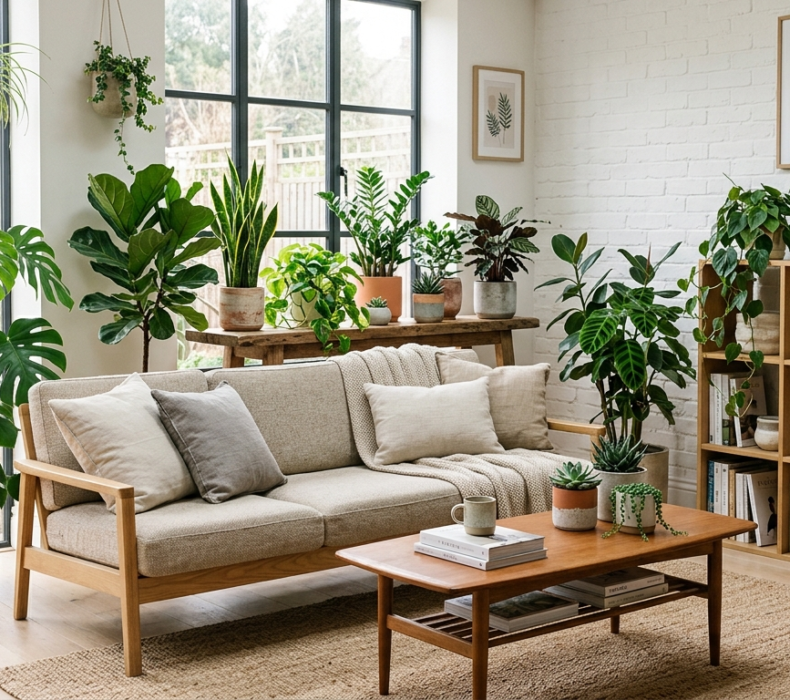
For instance, you could place a tall plant beside a sofa, a medium plant on a side table, and a small plant on a shelf. As a result, the room will feel more layered and visually interesting.
Create Different Levels
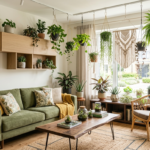
Using different heights helps your greenery look more natural. Floor plants, tabletop plants, hanging plants, and shelf plants can work together beautifully.
Furthermore, plant stands and decorative shelves can help you create additional levels without taking up too much floor space.
Choose Natural-Looking Plant Pots
The containers you choose can make a major difference. To create a natural look, consider pots made from materials such as ceramic, terracotta, wood, stone, or woven fibers.
Neutral shades such as white, beige, brown, and soft gray can complement greenery without overwhelming it.
Match Pots With Your Home Decor
Although matching every pot is not necessary, keeping a similar color or material theme can make the room feel organized.
For example, terracotta pots can create a warm earthy appearance, while simple ceramic pots can give a modern room a clean and natural finish.
Place Plants Near Natural Materials
Another effective way to create a natural atmosphere is to combine indoor plants with natural materials. Wooden furniture, woven baskets, rattan accessories, cotton fabrics, and stone decorations can complement greenery beautifully.
Consequently, the room can feel more connected to nature without looking overcrowded.
Add Wooden and Woven Accessories
A wooden coffee table paired with a leafy plant can create a warm focal point. Similarly, placing a plant inside a woven basket can add texture and softness to the room.
However, use these materials thoughtfully. Too many decorative pieces can make the space feel busy.
Use Plants to Decorate Empty Corners
Empty corners can sometimes make a room feel unfinished. Fortunately, indoor plants can turn these areas into attractive decorative features.
A tall plant can fill an unused corner beside a sofa, cabinet, or window. Alternatively, a small group of plants can create a simple greenery display on a console table.
Avoid Overcrowding the Room
While plants can transform a space, adding too many at once can make the room feel cluttered. Therefore, leave enough open space between plant arrangements.
A few carefully positioned plants often create a more sophisticated appearance than filling every available surface.
Create a Green Focal Point
Every room benefits from a visual focal point. You can use a large plant or an attractive group of smaller plants to create one.
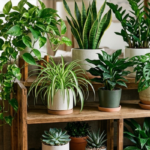
For example, a tall leafy plant beside a reading chair can instantly draw attention. Likewise, several plants arranged on a plant stand can create an attractive feature in a living room.
Combine Different Leaf Shapes
For a more natural appearance, combine plants with different leaf shapes and textures. Large leaves can be paired with smaller, delicate foliage.
As a result, your arrangement will have more depth and character while still maintaining a cohesive appearance.
Add Hanging Indoor Plants
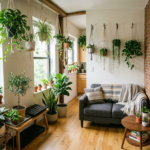
Hanging plants are another excellent option for creating a natural look. They allow you to use vertical space while keeping floors and furniture areas open.
Pothos, spider plants, and trailing varieties can work particularly well in hanging containers.
Use Hanging Plants in Small Spaces
If your room has limited floor space, hanging indoor plants can provide greenery without taking up valuable surfaces.
You can place them near windows, in empty corners, or on sturdy shelves. However, make sure hanging containers are safely secured.
Keep the Color Palette Natural
A natural-inspired room usually works best with a calm color palette. Greenery already provides vibrant color, so neutral backgrounds can help plants stand out.
Soft white, cream, beige, brown, and muted green can work especially well together.
Balance Green With Neutral Tones
Instead of adding many bright colors, allow your plants to provide most of the visual color. This creates a peaceful atmosphere and makes the greenery feel like a natural part of the room.
Additionally, neutral curtains, rugs, cushions, and furniture can help maintain the relaxed appearance.
Take Care of Your Plants
Finally, maintaining your indoor plants is essential. Healthy plants will always look more attractive and contribute more effectively to your home’s natural atmosphere.
Water plants according to their individual needs, remove damaged leaves, and regularly check for pests. Also, rotate some plants occasionally so they can receive balanced light.
Make Plant Care Part of Your Routine
Set aside a small amount of time each week to check your plants. Simple habits such as dusting leaves, checking the soil, and removing dead foliage can make a noticeable difference.
Therefore, plant care should be considered part of your overall home decoration routine.
Final Thoughts
Creating a natural look with indoor plants does not have to be complicated. By choosing plants that suit your space, mixing different sizes, using natural containers, and combining greenery with earthy materials, you can create a fresh and welcoming home.
Most importantly, focus on balance rather than quantity. A few healthy, thoughtfully positioned plants can completely transform a room. With the right arrangement, your home can feel calmer, fresher, and naturally beautiful.









 Get it on
  Download on the