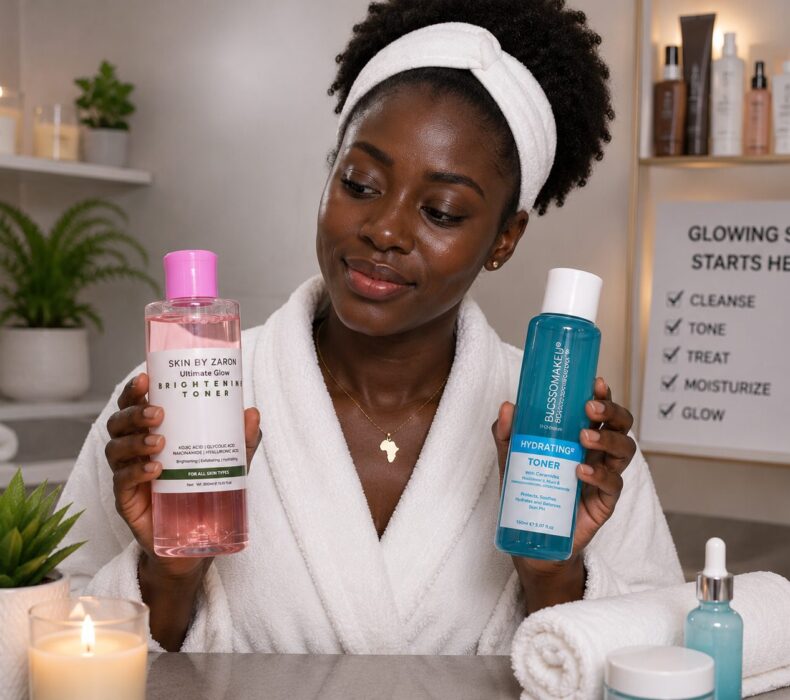
Choosing the right facial toner can make a significant difference in your skincare routine. With so many options available, many people often ask: Should I use a brightening toner or a hydrating toner? While both products are designed to improve your skin after cleansing, they serve different purposes and target different skin concerns.
If you’re struggling with dull skin, dark spots, dehydration, uneven skin tone, or simply want healthier-looking skin, understanding the difference between these two toner types will help you make the right choice.
In this comprehensive guide, we’ll compare Brightening Toner vs Hydrating Toner, explain their ingredients, benefits, side effects, who should use them, and help you determine which one is best for your skin type.
What Is a Facial Toner?
A facial toner is a lightweight liquid skincare product applied immediately after cleansing and before serums or moisturizers.
Modern toners are no longer the harsh alcohol-based formulas of the past. Today’s toners are formulated to:
Restore the skin’s natural pH
Remove leftover dirt and makeup
Prepare skin for better absorption of skincare products
Hydrate the skin
Address specific skin concerns
Different toners contain different active ingredients depending on their purpose.
The two most popular categories are:
Brightening Toners
Hydrating Toners
What Is a Brightening Toner?
Abrightening toner is formulated to improve dull, uneven skin tone and reduce hyperpigmentation.
It works by gently exfoliating dead skin cells while delivering ingredients that promote a more radiant complexion.
Rather than bleaching the skin, brightening toners help restore your natural glow by encouraging healthy skin renewal.
Common Ingredients in Brightening Toners
Some of the most effective ingredients include:
Vitamin C
Niacinamide
Alpha Arbutin
Kojic Acid
Licorice Root Extract
Glycolic Acid
Lactic Acid
Mandelic Acid
Tranexamic Acid
Rice Extract
These ingredients help reduce melanin production, fade acne marks, and improve skin clarity.
Benefits of Brightening Toner
Using a brightening toner consistently may help:
Fade Dark Spots
Acne scars, sun damage, and age spots gradually become less noticeable.
Improve Uneven Skin Tone
Brightening ingredients help create a more balanced complexion.
Increase Skin Radiance
Skin appears healthier, fresher, and more luminous.
Removing excess dead skin allows serums and moisturizers to penetrate more effectively.
Who Should Use a Brightening Toner?
A brightening toner is ideal for people with:
Hyperpigmentation
Acne scars
Dull skin
Sun damage
Uneven skin tone
Post-inflammatory pigmentation
Mature skin showing discoloration
What Is a Hydrating Toner?
A hydrating toner is designed to replenish moisture immediately after cleansing.
Instead of exfoliating, it delivers water-binding ingredients that keep the skin soft, plump, and healthy.
Hydrating toners are especially beneficial for people whose skin feels tight after washing.
Common Ingredients in Hydrating Toners
Hydrating toners usually contain:
Hyaluronic Acid
Glycerin
Aloe Vera
Panthenol
Beta Glucan
Ceramides
Squalane
Rose Water
Centella Asiatica
Cucumber Extract
These ingredients attract moisture and strengthen the skin barrier.
Benefits of Hydrating Toner
Hydrating toners provide several advantages.
Deep Moisture
They replenish water lost during cleansing.
Reduce Tightness
Skin feels comfortable instead of dry or stretched.
Strengthen the Skin Barrier
Healthy skin barriers retain moisture more effectively.
Soothe Sensitive Skin
Many hydrating toners calm irritation and redness.
Improve Skin Texture
Hydrated skin naturally looks smoother and healthier.
Who Should Use a Hydrating Toner?
Hydrating toners are perfect for people with:
Dry skin
Dehydrated skin
Sensitive skin
Mature skin
Combination skin
Skin damaged by over-exfoliation
Brightening Toner vs Hydrating Toner: Key Differences
Feature
Brightening Toner
Hydrating Toner
Main Purpose
Improve skin tone
Add moisture
Best For
Dark spots
Dry skin
Main Ingredients
Vitamin C, Niacinamide, AHAs
Hyaluronic Acid, Glycerin
Exfoliation
Often contains mild acids
Usually no exfoliating acids
Skin Feel
Fresh and radiant
Soft and plump
Suitable for Daily Use
Depends on active ingredients
Usually yes
Helps Pigmentation
Yes
No
Hydrates Skin
Some formulas
Excellent hydration
Which Toner Is Better for Oily Skin?
People with oily skin often benefit from brightening toners because they frequently contain:
Niacinamide
Mild exfoliating acids
Oil-balancing ingredients
However, oily skin still needs hydration.
A lightweight hydrating toner with hyaluronic acid can prevent excessive oil production caused by dehydration.
Which Toner Is Better for Dry Skin?
Hydrating toner is the clear winner.
Dry skin needs moisture more than exfoliation.
Look for ingredients like:
Hyaluronic Acid
Ceramides
Aloe Vera
Glycerin
If dark spots are also a concern, alternate between a hydrating toner and a gentle brightening toner.
Which Toner Is Better for Sensitive Skin?
Sensitive skin should prioritize hydration.
Brightening toners containing strong acids may cause:
Irritation
Redness
Peeling
Burning
Instead, choose hydrating formulas with calming ingredients.
Once your skin barrier becomes healthier, you can slowly introduce gentle brightening products.
Which Toner Is Better for Acne-Prone Skin?
It depends on your skin concern.
If you’re dealing with:
Active acne
A hydrating toner containing soothing ingredients helps reduce irritation.
Acne scars
A brightening toner containing:
Niacinamide
Vitamin C
Alpha Arbutin
can gradually fade post-acne marks.
Many people successfully combine both types.
Can You Use Both Brightening and Hydrating Toners?
Yes.
Many skincare experts recommend using both depending on your routine.
For example:
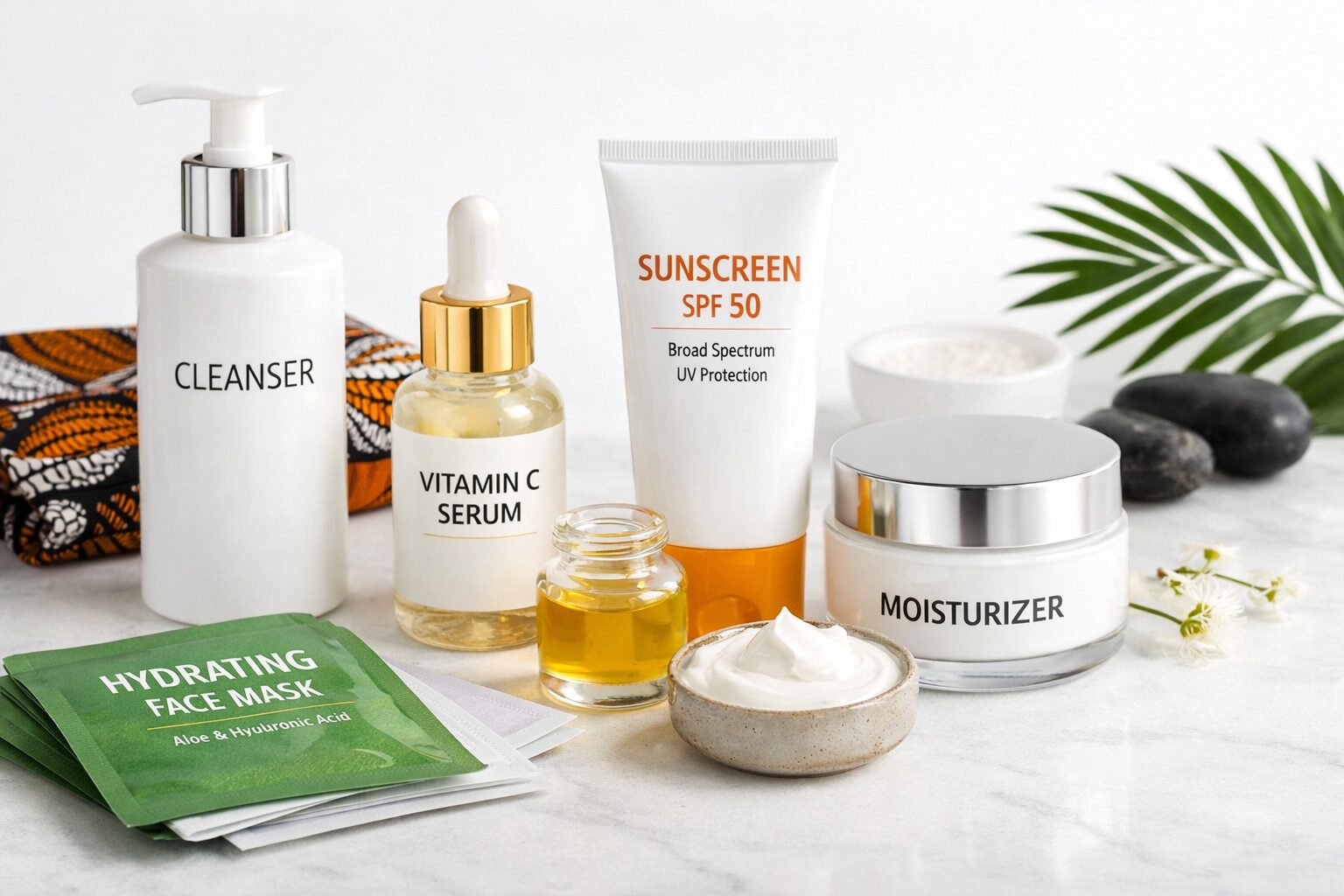
Morning
Cleanser
Hydrating Toner
Vitamin C Serum
Moisturizer
Sunscreen
Evening
Cleanser
Brightening Toner
Treatment Serum
Moisturizer
Alternatively, use:
Brightening toner 2–3 nights weekly
Hydrating toner every day
This approach minimizes irritation while maximizing results.
Signs You Need a Brightening Toner
You may benefit from a brightening toner if your skin has:
Acne marks
Uneven tone
Sun spots
Dull appearance
Hyperpigmentation
Rough texture
Signs You Need a Hydrating Toner
Hydrating toner is likely the better choice if your skin feels:
Tight after washing
Dry throughout the day
Flaky
Rough
Sensitive
Easily irritated
Can Brightening Toners Cause Dryness?
Yes.
Some brightening toners contain exfoliating acids.
Overuse may lead to:
Peeling
Dry patches
Redness
Increased sensitivity
Always:
Start slowly
Moisturize afterward
Wear sunscreen every morning
Can Hydrating Toners Cause Breakouts?
Generally, no.
However, very heavy formulations may clog pores in some people.
Choose non-comedogenic formulas if you have oily or acne-prone skin.
How to Choose the Right Toner
When selecting a toner, consider your primary skin concern.
Choose a Brightening Toner if:
You have dark spots.
Your complexion looks dull.
You want a more even skin tone.
You have post-acne pigmentation.
Choose a Hydrating Toner if:
Your skin feels dry.
You experience dehydration.
Your skin barrier is damaged.
You have sensitive skin.
If you have multiple concerns, layering or alternating the two can be an effective approach.
Common Mistakes to Avoid
Many people reduce the effectiveness of their toner by making simple mistakes.
Avoid these:
Using too much product
Applying toner on dirty skin
Skipping moisturizer afterward
Overusing exfoliating brightening toners
Forgetting sunscreen after using brightening products
Choosing products that don’t suit your skin type
How Long Does It Take to See Results?
Brightening Toner
Visible improvement usually appears within:
4–12 weeks
depending on the severity of pigmentation and consistency of use.
Hydrating Toner
Hydration benefits are noticeable almost immediately.
Long-term improvements in skin texture and barrier health become more apparent after several weeks of regular use.
Best Skincare Routine with Brightening or Hydrating Toner
A simple routine can maximize the benefits of either toner.
Morning Routine
Gentle Cleanser
Hydrating Toner
Vitamin C Serum (optional)
Moisturizer
Broad-spectrum Sunscreen (SPF 30 or higher)
Evening Routine
Cleanser
Brightening Toner (2–4 nights weekly, depending on tolerance)
Serum
Moisturizer
Listen to your skin and reduce the frequency of brightening products if irritation occurs.
Frequently Asked Questions
Can I use a brightening toner every day?
It depends on the formula. Gentle brightening toners with niacinamide may be suitable for daily use, while those containing exfoliating acids are often best used a few times per week.
Is hydrating toner necessary if I already use a moisturizer?
A hydrating toner adds water to the skin, while a moisturizer helps lock that moisture in. They complement each other rather than replace one another.
Can men use brightening or hydrating toners?
Absolutely. Toners are not gender-specific. Anyone can use them based on their skin’s needs.
Which toner is better for combination skin?
Combination skin often benefits from both. A hydrating toner can be used daily, while a brightening toner can target areas with pigmentation or dullness.
Final Verdict: Brightening Toner vs Hydrating Toner
When comparing Brightening Toner vs Hydrating Toner, there isn’t a one-size-fits-all winner. The better option depends entirely on your skin’s needs.
If your main concern is dark spots, uneven skin tone, acne marks, or dullness, a brightening toner is the better choice. Its active ingredients work to improve skin clarity and promote a more radiant complexion over time.
If your skin is dry, dehydrated, sensitive, or feels tight after cleansing, a hydrating toner is the better investment. It restores moisture, strengthens the skin barrier, and keeps your skin comfortable and healthy.
For many people, the ideal routine includes both: use a hydrating toner daily to maintain moisture and a brightening toner several times a week to target discoloration and improve overall radiance. Pair either toner with a suitable moisturizer and daily sunscreen to achieve the best long-term results and maintain healthy, glowing skin.














 Get it on
  Download on the