Choosing the right electric kettle can make your daily routine faster and more convenient. If you are comparing Cordless vs Corded Electric Kettles, understanding their differences will help you select the best model for your kitchen. While both types boil water quickly and efficiently, they differ in design, ease of use, safety, and portability. Whether you are preparing tea, coffee, instant noodles, or hot chocolate, selecting the right kettle ensures you enjoy reliable performance every day.
What Is a Corded Electric Kettle?
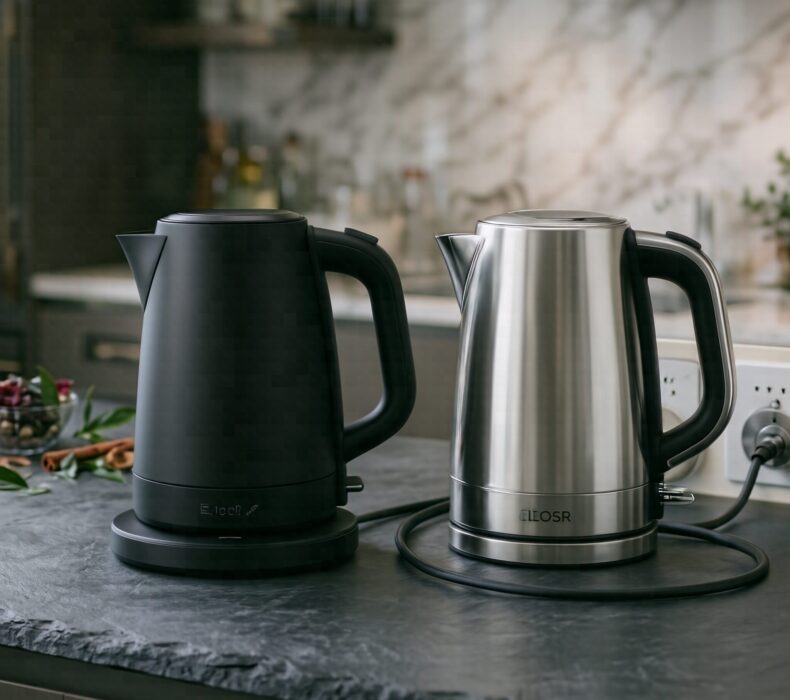
A corded electric kettle has a power cable permanently attached to the kettle itself. Consequently, the kettle remains connected to the electrical outlet while you pour hot water.
Although this design was common in older models, some budget-friendly kettles still use it today.
Advantages of Corded Electric Kettles
Corded kettles continue to offer several practical benefits.
Usually more affordable
Simple design with fewer components
Reliable heating performance
Suitable for basic household use
Easy to operate
Additionally, they are often a good option for buyers on a tight budget.
Disadvantages of Corded Electric Kettles
Despite their affordability, corded kettles have several limitations.
Less convenient when pouring
Attached cable can restrict movement
Slightly more difficult to store
Increased chance of cord tangling
Less modern appearance
Therefore, they may not be the best choice for households that value convenience.
What Is a Cordless Electric Kettle?
A cordless electric kettle sits on a separate power base. The base connects to the electrical outlet, while the kettle lifts off freely for pouring.
This design has become the standard for most modern electric kettles because it offers greater flexibility and ease of use.
Advantages of Cordless Electric Kettles
Cordless kettles provide numerous benefits that make them popular in homes and offices.
Some of the biggest advantages include:
Easy to lift and carry
Convenient pouring without attached cables
Safer serving at the dining table
Modern and stylish appearance
Easier storage
Ideal for busy kitchens
Furthermore, cordless kettles are especially useful when serving multiple people.
Disadvantages of Cordless Electric Kettles
Although cordless kettles are highly convenient, they do have a few minor drawbacks.
Slightly higher purchase price
Power base requires counter space
Replacement bases may be difficult to find for some brands
Even so, these disadvantages are generally outweighed by their convenience.
Cordless vs Corded Electric Kettles: Key Differences
Convenience
Convenience is where cordless kettles clearly stand out.
Since there is no attached cable during pouring, serving hot water becomes much easier. In contrast, corded kettles require extra care because the cable remains connected.
Winner: Cordless Electric Kettle
Portability
Cordless kettles are easier to move around the kitchen, office, or dining area.
Meanwhile, corded kettles remain limited by the length of their attached power cord.
Winner: Cordless Electric Kettle
Safety
Modern kettles generally include:
Automatic shut-off
Boil-dry protection
Heat-resistant handles
Locking lids
However, cordless kettles reduce the risk of accidentally pulling the power cord while serving hot water.
As a result, they offer slightly improved everyday safety.
Winner: Cordless Electric Kettle
Storage
Cordless models usually include compact bases with cord storage underneath.
Consequently, they create a cleaner and more organized kitchen countertop.
Corded kettles, on the other hand, often leave loose cables exposed.
Winner: Cordless Electric Kettle
Affordability
Corded kettles are generally less expensive than cordless models.
If your primary concern is keeping costs low, a corded kettle may suit your budget.
Winner: Corded Electric Kettle
Boiling Speed
Both cordless and corded kettles use similar heating elements.
Therefore, there is very little difference in boiling performance when comparing models with similar power ratings.
Winner: Tie
Energy Efficiency
Energy efficiency depends more on the heating element than the cord design.
Both kettle types can boil water quickly while minimizing electricity consumption.
As long as they include automatic shut-off, both options perform efficiently.
Winner: Tie
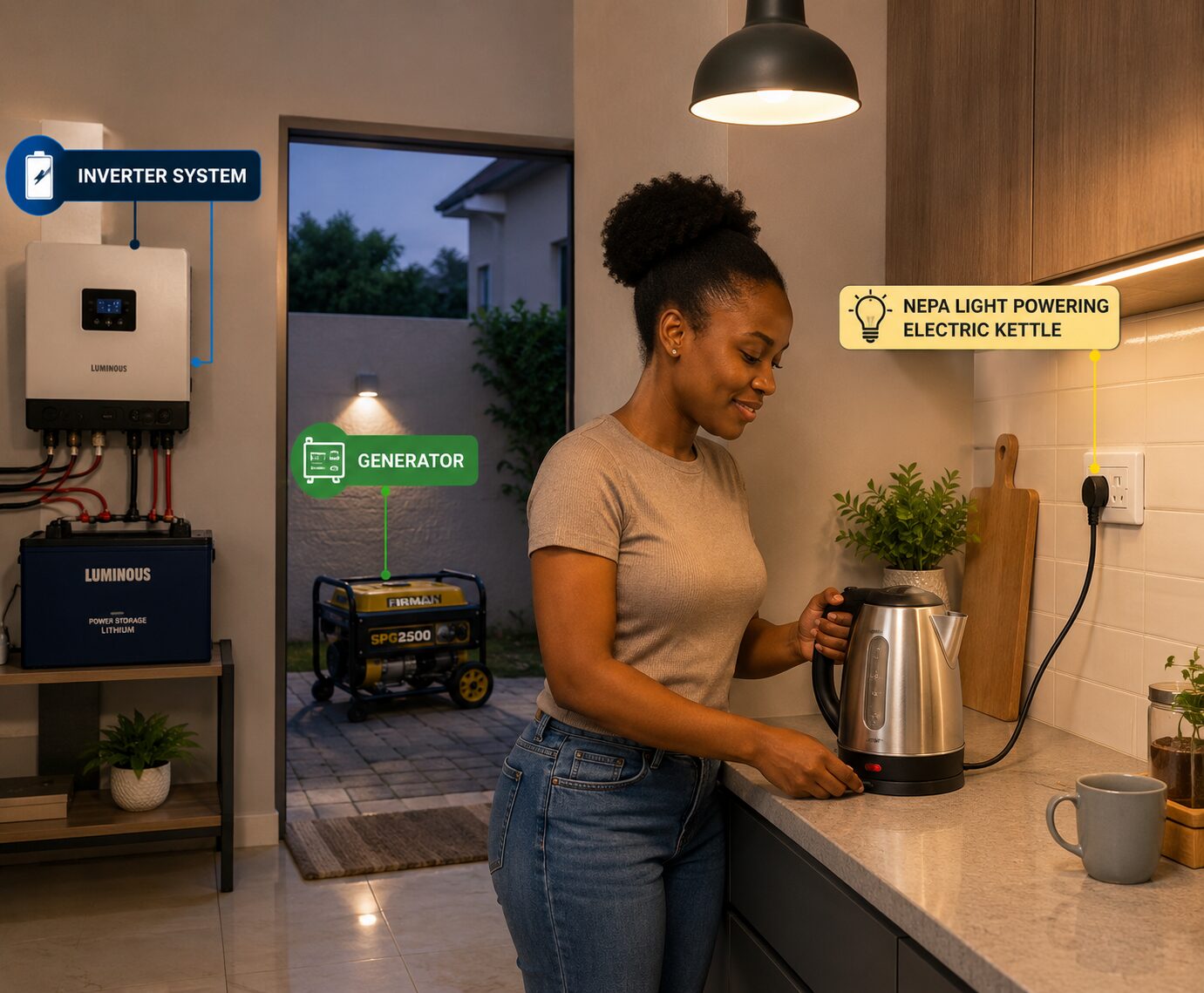
Which Type Is Better for Nigerian Homes?
For most Nigerian households, cordless electric kettles are the better choice.
They offer:
Greater convenience
Better safety
Modern appearance
Easier pouring
Improved storage
Excellent everyday usability
However, corded kettles remain a practical option for buyers looking for an affordable appliance for occasional use.
Features to Look for Regardless of the Design
Whether you choose a cordless or corded kettle, always check for these important features.
Automatic Shut-Off
This feature switches the kettle off immediately after boiling.
Consequently, it prevents overheating and reduces electricity consumption.
Boil-Dry Protection
The kettle automatically stops heating if there is insufficient water inside.
This protects both the heating element and the appliance itself.
Capacity
Choose the right size for your household.
1 litre – Individuals and couples
1.5 litres – Small families
1.7–2 litres – Larger households and offices
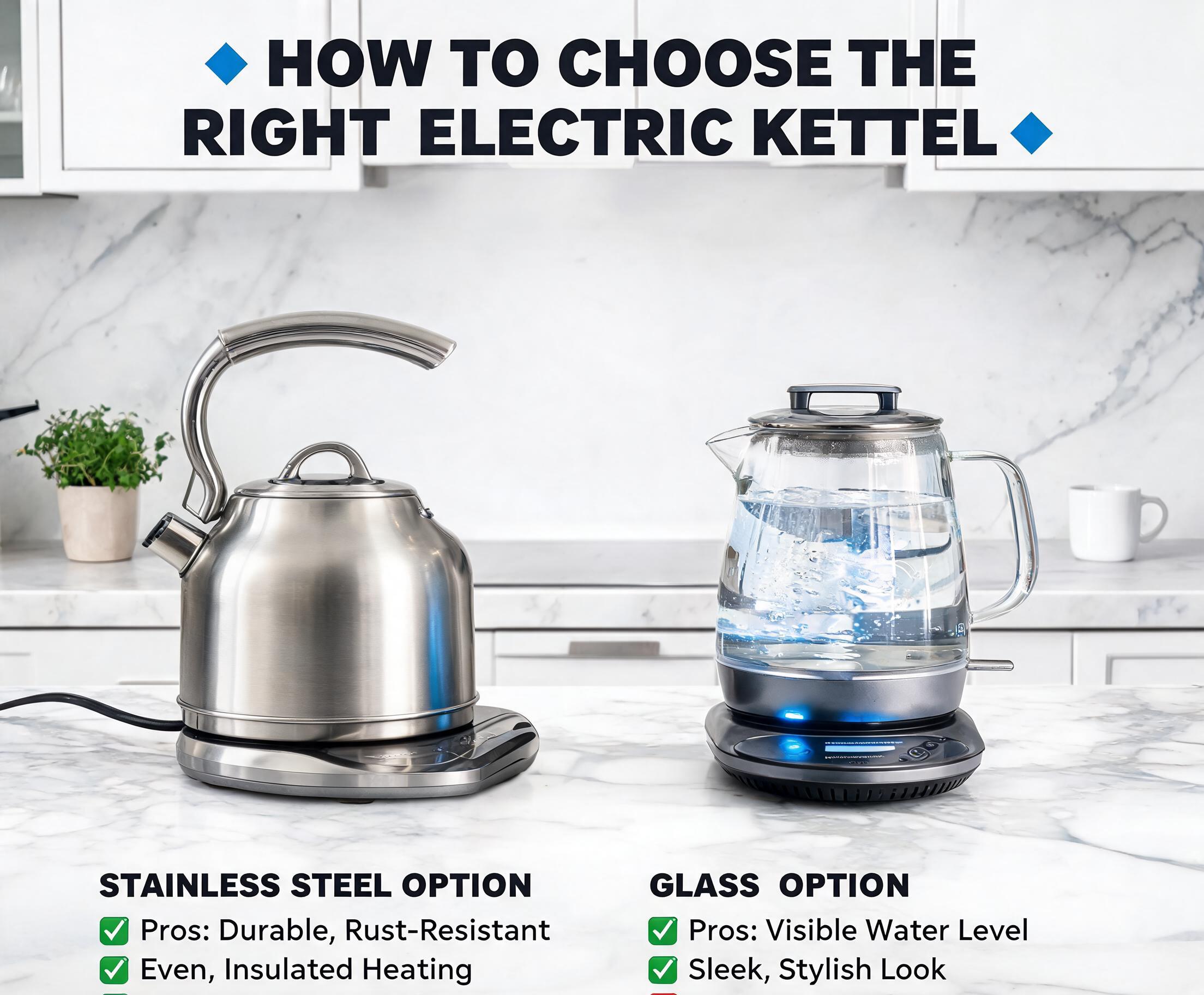
Material
Quality kettles are available in:
Stainless steel
Heat-resistant glass
BPA-free plastic
Each material offers unique benefits depending on your needs.
Tips for Using Your Electric Kettle Efficiently
To maximize performance and extend the lifespan of your kettle:
Boil only the amount of water you need.
Descale regularly to remove mineral buildup.
Empty leftover water after use.
Keep the power base dry.
Clean the filter periodically.
Store the kettle in a cool, dry place.
These simple maintenance habits improve efficiency and ensure reliable performance.
Conclusion
When comparing Cordless vs Corded Electric Kettles, cordless models offer greater convenience, improved safety, and easier handling, making them the preferred option for most modern households. Meanwhile, corded kettles remain a reliable and budget-friendly choice for users who prioritize affordability over portability.










 Get it on
  Download on the