When it comes to building an effective skincare routine, choosing the right facial cleanser is one of the most important decisions you can make. A good cleanser removes dirt, excess oil, makeup, sunscreen, and environmental pollutants while maintaining your skin’s natural protective barrier. However, with countless skincare products available today, many people often ask:Cleansing Milk vs Face Wash: Which is better for your skin type?
The truth is that neither product is universally better than the other. Instead, the best choice depends on your skin type, lifestyle, skincare goals, and even Nigeria’s warm and humid climate. While cleansing milk offers gentle hydration and nourishment, face wash provides a deeper cleanse that is often preferred by people with oily or acne-prone skin.
In this comprehensive guide, we’ll compare cleansing milk and face wash in detail, explain their benefits and drawbacks, discuss which skin types benefit most from each, and help you decide which product deserves a place in your skincare routine.
What Is Cleansing Milk?
Cleansing milk is a creamy, lightweight facial cleanser formulated with moisturizing ingredients such as glycerin, plant oils, aloe vera, ceramides, or botanical extracts. Unlike foaming cleansers, cleansing milk works by dissolving dirt, makeup, sunscreen, and impurities without stripping away the skin’s natural oils.
It has a smooth, lotion-like texture that cleanses while keeping the skin soft and hydrated.
Most cleansing milks are designed to:
Remove light makeup
Dissolve dirt and pollutants
Maintain skin moisture
Calm sensitive skin
Strengthen the skin barrier
Many dermatologists recommend cleansing milk for people with dry, mature, dehydrated, or sensitive skin.
What Is Face Wash?
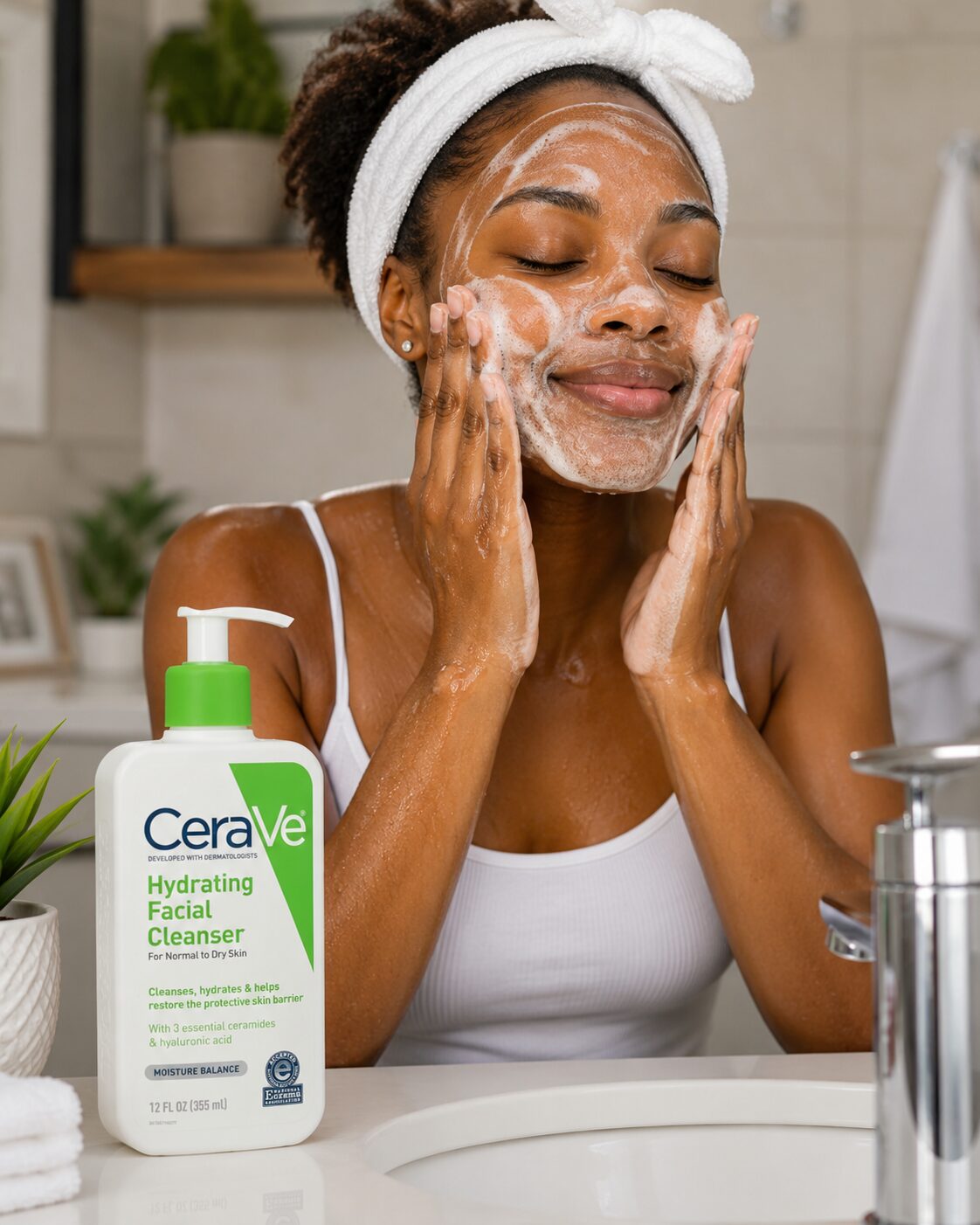
Face wash is a water-based cleanser that usually creates foam, gel, or lather when mixed with water. It is designed to deeply cleanse pores by removing:
Excess oil
Sweat
Dirt
Makeup residue
Bacteria
Dead skin cells
Face washes often contain cleansing agents (surfactants) that lift oil and impurities from the skin.
Some formulations also include active ingredients like:
Salicylic Acid
Niacinamide
Tea Tree Oil
Glycolic Acid
Charcoal
Benzoyl Peroxide
These ingredients help manage acne, clogged pores, and oily skin.
Cleansing Milk vs Face Wash: What’s the Difference?
Although both products clean the skin, they do so differently.
Feature
Cleansing Milk
Face Wash
Texture
Creamy
Gel, Foam, Liquid
Removes Makeup
Excellent
Moderate
Hydration
High
Moderate to Low
Deep Cleansing
Moderate
Excellent
Oil Removal
Gentle
Strong
Suitable for Dry Skin
Excellent
Depends on formula
Suitable for Oily Skin
Fair
Excellent
Sensitive Skin
Excellent
Depends on ingredients
Daily Use
Yes
Yes
The biggest difference lies in how each product treats your skin’s natural oils.
Benefits of Cleansing Milk
1. Gentle on the Skin
One of the biggest advantages of cleansing milk is its mild formulation.
Instead of aggressively removing oils, it preserves your skin’s moisture barrier while still removing dirt and makeup.
This helps prevent:
Tightness
Dry patches
Flaking
Irritation
2. Hydrates While Cleansing
Unlike many foaming cleansers, cleansing milk contains moisturizing ingredients that replenish water during cleansing.
This leaves the skin feeling:
Smooth
Soft
Supple
Comfortable
3. Perfect for Sensitive Skin
Sensitive skin reacts easily to harsh detergents.
Cleansing milk usually contains soothing ingredients such as:
Chamomile
Aloe Vera
Oat Extract
Vitamin E
These reduce redness and irritation.
4. Removes Makeup Gently
Most cleansing milks dissolve:
Foundation
Sunscreen
Blush
Concealer
Lipstick
without requiring excessive rubbing.
5. Helps Maintain the Skin Barrier
Your skin barrier protects against:
Pollution
Bacteria
UV damage
Moisture loss
Cleansing milk helps preserve this protective layer.
Benefits of Face Wash
1. Deeply Cleanses the Skin
Face wash removes:
Sweat
Dirt
Oil
Bacteria
Dead skin
This helps keep pores clean.
2. Reduces Acne Breakouts
People with oily skin produce excess sebum.
A good face wash helps remove excess oil before it clogs pores.
Some formulas also contain acne-fighting ingredients like:
Salicylic Acid
Benzoyl Peroxide
Sulfur
3. Controls Shine
Face wash is especially useful in Nigeria’s hot climate where sweat and oil production increase.
It leaves the skin feeling refreshed throughout the day.
4. Helps Prevent Blackheads
Deep cleansing reduces pore blockage, lowering the chances of developing:
Whiteheads
Blackheads
Pimples
5. Suitable After Exercise
After workouts, sweat mixes with bacteria and oil.
Using face wash thoroughly cleanses the skin and reduces post-workout breakouts.
Cleansing Milk vs Face Wash for Different Skin Types
Dry Skin
Dry skin lacks natural oils.
Using harsh cleansers often makes dryness worse.
Best choice: Cleansing Milk
Why?
Hydrates skin
Prevents moisture loss
Doesn’t leave skin tight
Supports skin barrier
Oily Skin
Oily skin produces excess sebum.
Heavy creams may leave residue.
Best choice: Face Wash
Why?
Removes oil effectively
Cleans pores deeply
Helps reduce acne
Controls shine
Combination Skin
Combination skin has:
Oily T-zone
Dry cheeks
The ideal approach is balance.
Some people use:
Cleansing milk in the morning
Face wash at night
Others alternate depending on skin needs.
Sensitive Skin
Sensitive skin requires gentle cleansing.
Harsh foaming cleansers can cause:
Burning
Redness
Dryness
Best choice: Cleansing Milk
Choose fragrance-free formulas whenever possible.
Acne-Prone Skin
Acne-prone skin benefits from removing:
Excess oil
Bacteria
Dead skin
Best choice: Face Wash
Look for ingredients such as:
Salicylic Acid
Niacinamide
Zinc PCA
Mature Skin
As we age, the skin naturally becomes drier.
Cleansing milk helps maintain hydration while cleansing gently.
Can You Use Both?
Absolutely.
Many skincare experts recommend using both products depending on your routine.
Example:
Morning
Use cleansing milk to gently refresh your face without removing essential moisture.
Evening
Use face wash after removing makeup to deeply cleanse pores.
Some people also practice double cleansing, where cleansing milk is used first to remove makeup and sunscreen, followed by a face wash to eliminate remaining impurities.
Which Is Better for Nigeria’s Climate?
Nigeria experiences warm temperatures, humidity, and frequent sweating, which can increase oil production and lead to clogged pores.
For many people:
Oily or acne-prone skin: A gentle face wash is often the better choice because it effectively removes excess oil, sweat, and impurities.
Dry or sensitive skin: Cleansing milk helps retain moisture while still removing dirt, making it ideal for preventing dryness caused by frequent cleansing.
Combination skin: Alternating between cleansing milk and face wash based on the time of day or seasonal changes can provide the best balance.
Regardless of your skin type, always follow cleansing with a suitable moisturizer and sunscreen during the day.
Common Mistakes to Avoid
Many people unintentionally damage their skin by making simple cleansing mistakes.
Avoid the following:
Washing your face too often.
Using very hot water.
Choosing products that don’t match your skin type.
Skipping moisturizer after cleansing.
Sleeping with makeup on.
Using harsh scrubs every day.
Over-cleansing oily skin, which can trigger even more oil production.
Consistency and choosing the right cleanser are more important than using multiple products.
How to Choose the Right Cleanser
When shopping for a cleanser, consider these factors:
Choose Cleansing Milk If You Have:
Dry skin
Sensitive skin
Mature skin
Dehydrated skin
Easily irritated skin
Choose Face Wash If You Have:
Oily skin
Acne-prone skin
Enlarged pores
Heavy sunscreen use
Excess sweating
Always read the ingredient list and select products free from harsh sulfates, excessive alcohol, and unnecessary fragrances if your skin is sensitive.
Frequently Asked Questions
Can cleansing milk remove makeup?
Yes. Cleansing milk effectively removes light makeup, sunscreen, dirt, and everyday impurities. For heavy or waterproof makeup, you may need to cleanse twice or use a dedicated makeup remover before washing your face.
Can I use face wash twice daily?
Yes. Most people can safely use a gentle face wash in the morning and evening. If you have very dry or sensitive skin, once a day may be enough, depending on your skin’s needs.
Is cleansing milk suitable for oily skin?
It can be, especially if you use a lightweight, non-comedogenic formula. However, many people with oily skin prefer a face wash because it provides a deeper cleanse and better oil control.
Which cleanser is better for acne?
Face wash is generally more effective for acne-prone skin, particularly formulas containing ingredients such as salicylic acid or benzoyl peroxide that help unclog pores and reduce breakouts.
Do I still need moisturizer after cleansing?
Yes. Whether you use cleansing milk or face wash, applying a moisturizer helps maintain your skin barrier and prevents moisture loss.
Final Verdict: Cleansing Milk vs Face Wash
When comparingCleansing Milk vs Face Wash, there is no single winner because each serves a different purpose.
Cleansing milk is ideal for people with dry, sensitive, mature, or dehydrated skin who need a gentle cleanser that preserves moisture while removing dirt and light makeup. It supports the skin barrier and leaves the skin feeling soft and comfortable.
Face wash, on the other hand, is the better option for oily, combination, and acne-prone skin. It provides a deeper cleanse, removes excess oil, helps unclog pores, and reduces the likelihood of breakouts—making it particularly suitable for Nigeria’s warm and humid climate.
Ultimately, the best cleanser is the one that matches your skin type and fits seamlessly into your daily skincare routine. By understanding your skin’s unique needs and choosing the right product, you can enjoy a healthier, clearer, and more radiant complexion.















 Get it on
  Download on the