Insurance is one of the smartest financial decisions anyone can make, yet many Nigerians still do not fully understand how it works. Whether you want to protect your health, vehicle, business, home, or family, having an insurance overviewis the first step toward making informed decisions. Insurance provides financial protection against unexpected events, helping individuals and businesses recover from losses without carrying the full financial burden alone. In this complete beginner’s guide, you’ll learn how insurance works in Nigeria, the different types available, their benefits, and how to choose the right policy for your needs.
What Is Insurance?
Insurance is a financial agreement between an individual or business and an insurance company.
In exchange for regular payments called premiums, the insurer agrees to provide financial compensation if a covered event occurs, subject to the terms and conditions of the policy.
Examples of insured events include:
Road accidents
Medical emergencies
Fire outbreaks
Theft
Property damage
Death
Business interruptions
Travel-related losses
Understanding this Insurance overview makes it easier to appreciate why insurance plays a vital role in financial planning.
Why Insurance Is Important in Nigeria
Life is unpredictable, and unexpected situations can create significant financial pressure.
Insurance helps reduce that burden by providing financial supportwhen covered incidents occur.
Some key benefits include:
Financial security
Peace of mind
Business continuity
Family protection
Asset protection
Emergency support
As Nigeria’s economy continues to evolve, insurance has become increasingly important for individuals, families, and businesses alike.
Types of Insurance in Nigeria
Several insurance products are available to meet different financial needs.
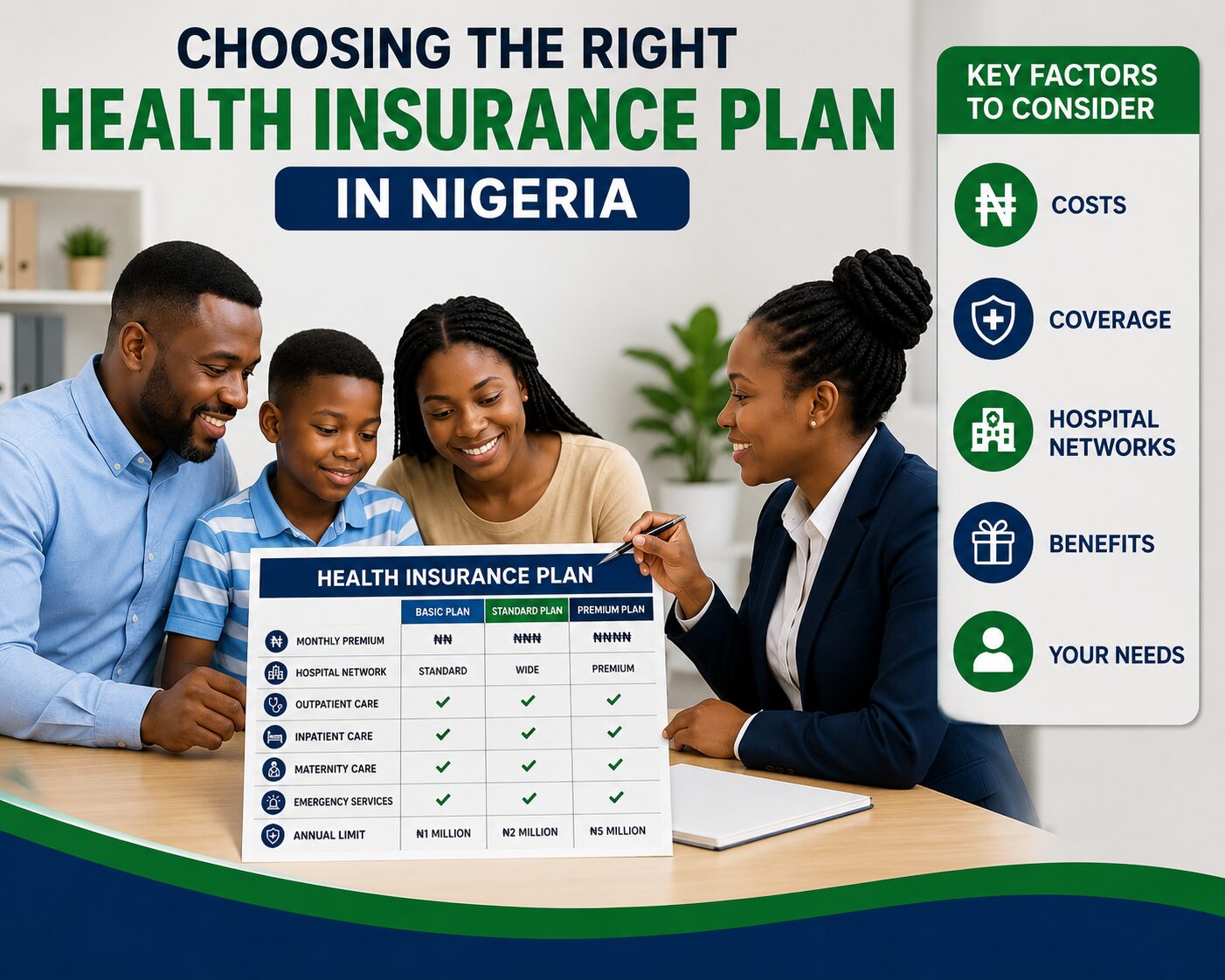
Health Insurance
Health insurance helps cover eligible medical expenses, making healthcare more affordable.
It may include benefits such as:
Hospital treatment
Doctor consultations
Laboratory tests
Surgery
Prescription medications
Health insurance can be purchased individually or through employers and health maintenance organizations (HMOs).
Motor Insurance
Motor insurance protects vehicle owners against financial losses arising from accidents, theft, or damage.
Common options include:
Third-Party Insurance
This covers liability for damage or injury caused to other people or their property, as required by law in many situations.
Comprehensive Insurance
This offers broader protection, which may include damage to your own vehicle as well as third-party liabilities, depending on the policy.
Life Insurance
Life insurance provides financial support to nominated beneficiaries if the insured person passes away, according to the policy terms.
It is often used to help families maintain financial stability.
Home Insurance
Home insurance protects residential properties and personal belongings against covered risks such as fire, theft, and certain natural disasters.
Business Insurance
Businesses can obtain insurance for:
Office buildings
Equipment
Inventory
Employees
Public liability
Business interruption
Business insurance helps organizations recover from unexpected financial losses.
Travel Insurance
Travel insurance offers protection against risks that may arise during domestic or international travel.
Coverage may include:
Medical emergencies
Trip cancellation
Lost baggage
Travel delays
How Insurance Works
Understanding the insurance process is essential.
Step 1: Choose a Policy
Select coverage that matches your financial needs and circumstances.
Step 2: Pay Your Premium
The premium is the amount you pay to keep your insurance policy active.
Payment schedules vary depending on the insurer and policy.
Step 3: Coverage Begins
Once your policy is active, you receive protection according to its terms and conditions.
Step 4: Submit a Claim
If a covered event occurs, you notify your insurance company and submit the required documentation.
Step 5: Claim Assessment
The insurer reviews your claim before determining eligibility and any applicable compensation under the policy.
Benefits of Having Insurance
This Insurance overview highlights why insurance is a valuable financial tool.
Financial Protection
Insurance reduces the financial impact of unexpected events.
Peace of Mind
Knowing you have coverage can reduce anxiety during emergencies.
Asset Protection
Insurance helps safeguard valuable assets such as homes, vehicles, and businesses.
Family Security
Life insurance can provide financial assistance to loved ones after the policyholder’s death.
Business Stability
Insurance helps businesses recover more quickly from unforeseen losses.
How to Choose the Right Insurance Policy
Selecting the right policy requires careful consideration.
Assess Your Needs
Think about what you want to protect.
Examples include:
Health
Vehicle
Home
Business
Family income
Travel plans
Compare Providers
Review several insurers before making a decision.
Compare:
Coverage
Premiums
Exclusions
Customer service
Claims process
Read the Policy Carefully
Understand:
Covered risks
Exclusions
Waiting periods
Claim procedures
Renewal conditions
Work with Licensed Insurers
Always purchase insurance from properly licensed and regulated providers.
Common Insurance Terms
Premium
The amount paid to maintain insurance coverage.
Policy
The contract outlining your insurance agreement.
Claim
A request for compensation after a covered event.
Beneficiary
The individual or organization designated to receive benefits under certain policies.
Coverage
The protection provided under your insurance policy.
Common Mistakes to Avoid
Many first-time buyers make avoidable mistakes.
These include:
Buying insurance without understanding the policy
Choosing coverage based only on price
Failing to disclose accurate information
Missing premium payments
Ignoring policy exclusions
Taking time to understand your policy can help prevent future disputes.
Frequently Asked Questions
Is insurance mandatory in Nigeria?
Certain types of insurance, such as specific motor insurance requirements, may be legally required, while others remain optional depending on individual needs.
Which insurance is best for beginners?
The right choice depends on your personal circumstances. Health, motor, and life insurance are commonly recommended starting points.
Can I own more than one insurance policy?
Yes. Many people maintain multiple policies to protect different aspects of their lives.
How do insurance companies calculate premiums?
Premiums are determined by several factors, including the type of coverage, level of risk, insured value, and other underwriting considerations.
How long does the claims process take?
Processing times vary depending on the insurer, policy type, and complexity of the claim.
Why Every Nigerian Should Understand Insurance
A solid Insurance overview empowers individuals to make informed financial decisions and prepare for life’s uncertainties. Insurance is not only about protecting money; it is about protecting your future, your family, your business, and your peace of mind.
Conclusion
Understanding How Insurance Works is the first step toward making smarter financial decisions in 2026. Whether you need health insurance, motor insurance, life insurance, home insurance, travel insurance, or business coverage, choosing the right policy can provide valuable financial protection when unexpected events occur. Compare providers carefully, understand your policy, and select coverage that aligns with your personal or business needs for long-term financial security.















 Get it on
  Download on the