If you are planning to borrow money, understanding the latest Banks Loan Rates is one of the most important steps before submitting your application. Whether you need funds for a business, home improvement, education, medical expenses, or personal emergencies, comparing loan rates can help you reduce borrowing costs and select the most suitable lender. In this guide, we explain how loan rates work in Nigeria, the factors that influence them, and how to compare bank loans with digital lending platforms in July 2026.
What Are Loan Rates?
Loan rates refer to the interest charged by a lender for borrowing money.
When you take a loan, you repay:
The original loan amount (principal)
Interest
Any applicable fees stated in the loan agreement
The total repayment depends on the lender’s pricing structure and loan terms.
Why Banks Loan Rates Matter
Understanding Banks Loan Rates helps borrowers make informed financial decisions.
Comparing rates before borrowing can help you:
Reduce borrowing costs
Choose affordable repayment plans
Avoid unnecessary fees
Select the right lender
Manage your finances responsibly
Therefore, it is always advisable to compare multiple lenders instead of accepting the first offer you receive.
Factors That Affect Loan Rates
Several factors influence the interest rate offered by banks and digital lenders.
Credit History
Borrowers with a strong repayment history may qualify for more favorable loan terms, depending on the lender’s assessment.
Income Level
Stable and verifiable income may improve your loan eligibility.
Loan Amount
Larger loans may have different pricing structures compared to smaller personal loans.
Loan Duration
Repayment periods can affect the overall cost of borrowing.
Longer repayment terms may lower monthly repayments but increase the total interest paid over time.
Type of Loan
Different loan categories have different pricing models.
Examples include:
Personal loans
Salary-backed loans
Business loans
Asset financing
Mortgage loans
Education loans
Types of Loans Available in Nigeria
Personal Loans
These loans are commonly used for:
Medical expenses
Weddings
School fees
Household emergencies
Personal projects
Business Loans
Business financing helps entrepreneurs:
Expand operations
Purchase equipment
Increase inventory
Improve cash flow
Salary Advance Loans
Salary earners may access short-term financing based on their monthly income.
Mortgage Loans
These loans assist individuals purchasing or building residential property.
Digital Loans
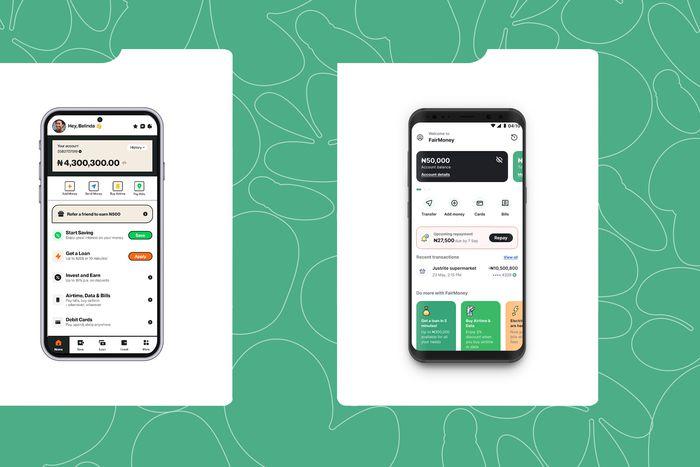
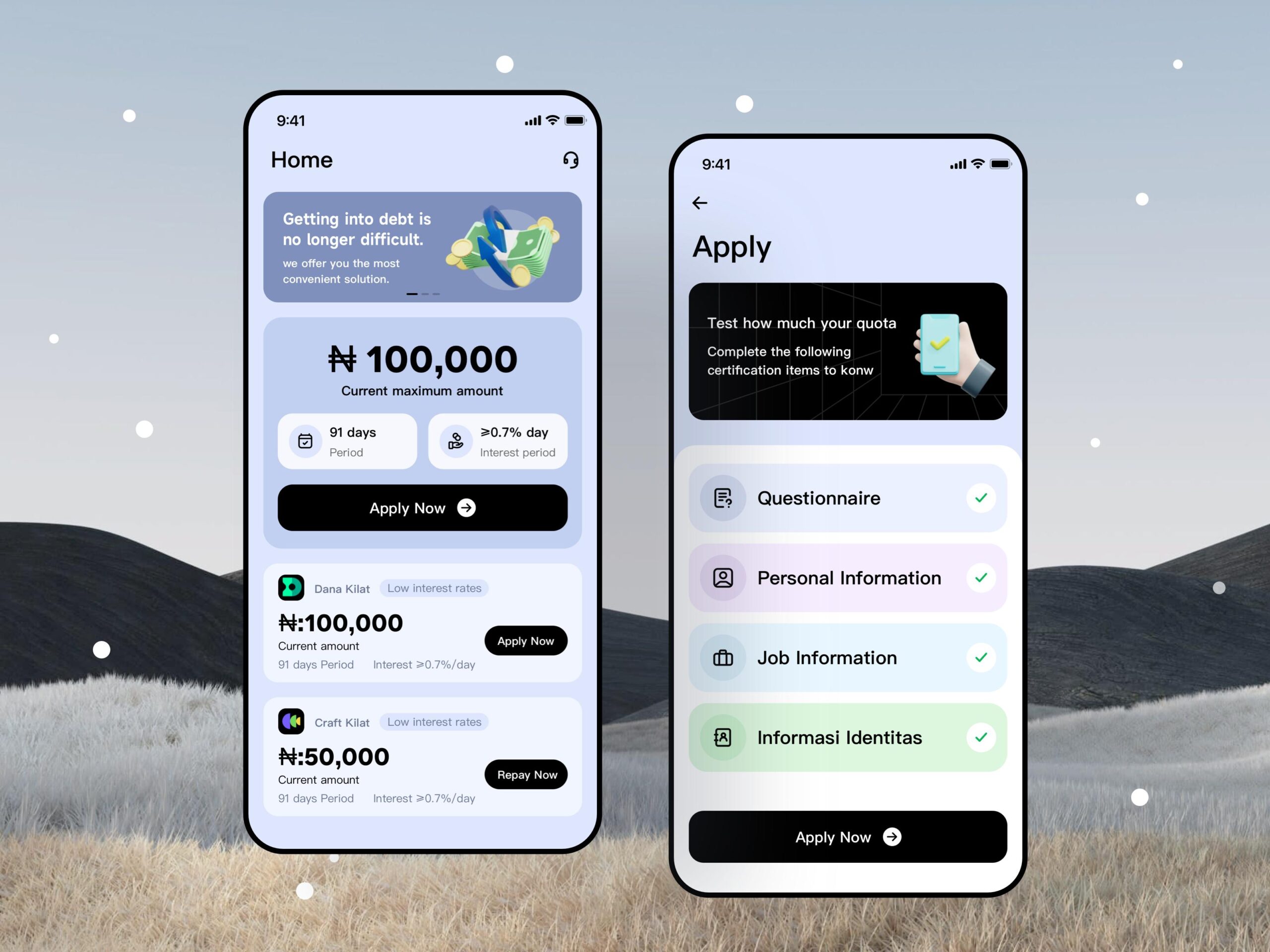
Fintech platforms also offer convenient online lending through mobile applications.
Applications are usually completed entirely online.
Banks vs Digital Lending Apps
Borrowers often compare traditional banks with digital lending platforms.
Traditional Banks
Advantages include:
Larger loan amounts
Longer repayment options
Additional financial services
However, banks may require more documentation and verification.
Digital Lending Apps
Benefits include:
Online applications
Faster approvals
Convenient mobile access
Simplified application process
Loan terms and borrowing costs vary between providers.
How to Compare Banks Loan Rates
Before choosing a lender, compare more than just the advertised interest rate.
Annual Cost
Consider the overall borrowing cost, including any applicable fees.
Repayment Flexibility
Choose a repayment schedule that matches your monthly income.
Processing Time
Some lenders process applications more quickly than others.
Customer Service
Reliable customer support is valuable if questions arise during the loan period.
Early Repayment Options
Some lenders allow borrowers to repay loans early, although conditions may vary.
Tips Before Applying for a Loan
Responsible borrowing begins with proper planning.
Borrow Only What You Need
Avoid borrowing more than necessary.
Read the Loan Agreement
Understand:
Interest charges
Repayment schedule
Processing fees
Penalties
Additional conditions
Compare Multiple Lenders
Never rely on one lender alone.
Shopping around may help you find better borrowing terms.
Plan Your Repayment
Ensure monthly repayments fit comfortably within your budget.
Common Loan Application Mistakes
Many borrowers make avoidable mistakes.
These include:
Ignoring repayment obligations
Applying without comparing lenders
Borrowing beyond their repayment ability
Overlooking processing fees
Failing to read loan agreements carefully
Avoiding these mistakes can reduce financial stress.
Benefits of Responsible Borrowing
Using loans wisely can support your financial goals.
Responsible borrowing may help you:
Build a positive credit profile
Finance important purchases
Manage emergencies
Grow your business
Improve cash flow
The key is borrowing only when necessary and repaying on time.
Frequently Asked Questions
Do all Nigerian banks have the same loan rates?
No. Banks Loan Rates vary depending on the lender, loan type, repayment period, borrower profile, and current market conditions.
Are digital loans cheaper than bank loans?
Not always. Some digital lenders may charge higher effective borrowing costs, while others may offer competitive pricing depending on the product and borrower.
Can I compare loan rates before applying?
Yes. Comparing multiple lenders is recommended before making a borrowing decision.
What documents are commonly required?
Requirements differ by lender but may include:
Valid identification
BVN
Proof of income
Bank account details
Employment information where applicable
Can I repay my loan early?
Some lenders allow early repayment, although specific terms vary. Always review the loan agreement before accepting an offer.
How to Choose the Right Loan
The best loan is not always the one with the lowest advertised interest rate.
Consider:
Total borrowing cost
Monthly repayment amount
Loan flexibility
Customer support
Processing speed
Your financial situation
Selecting a loan that fits your budget can help you avoid repayment challenges.
Conclusion
Comparing Banks Loan Rates before borrowing is one of the smartest financial decisions you can make. Whether you choose a traditional bank or a digital lending platform, understanding the interest rate, repayment terms, fees, and overall borrowing cost will help you make a more informed choice. By borrowing responsibly, comparing multiple lenders, and selecting a repayment plan that fits your income, you can meet your financial needs while maintaining long-term financial stability.














 Get it on
  Download on the