Back pain is one of the most common health concerns affecting millions of people worldwide. Whether caused by long hours of sitting, heavy lifting, aging, or poor posture, persistent back pain can interfere with work, sleep, exercise, and everyday activities. Many people are now looking for practical, affordable, and non-invasive solutions to improve spinal health without immediately relying on medication or surgery. One solution gaining popularity is the Back Pain Correction Device.
But can a Back Pain Correction Device really help with conditions such as sciatica, herniated discs, and poor posture? The answer depends on the underlying cause of the pain, how the device is used, and whether it forms part of a comprehensive treatment plan. While these devices are not miracle cures, they can provide significant relief for many individuals when used correctly.
In this comprehensive guide, we’ll explore how a Back Pain Correction Device works, its benefits, and whether it can help manage common spinal conditions.
What Is a Back Pain Correction Device?
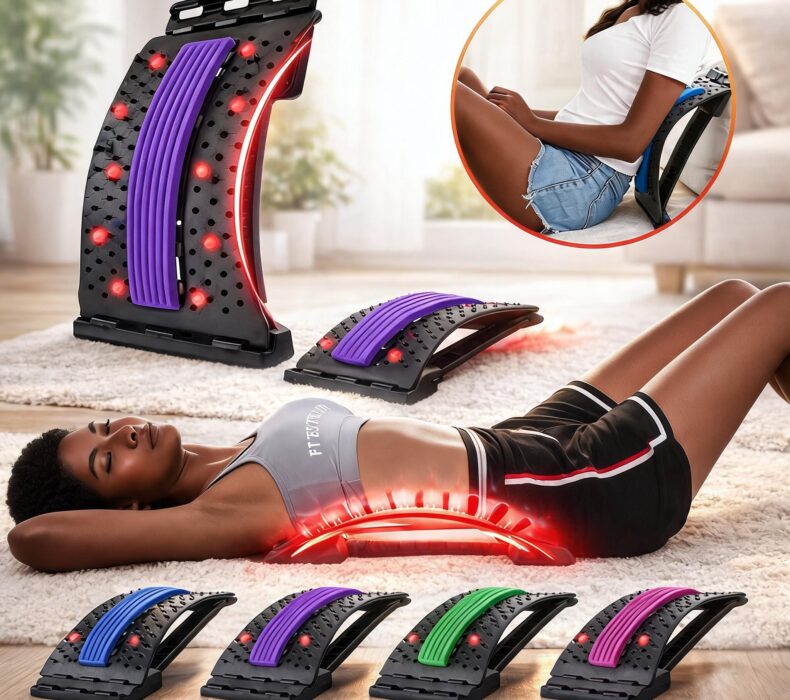
A Back Pain Correction Deviceis an ergonomic tool designed to stretch, align, and support the spine. Most models feature an adjustable curved design that gently arches the lower back, helping to restore the spine’s natural curvature while relieving pressure on muscles, ligaments, and spinal discs.
Depending on the design, these devices may offer:
Adjustable stretch levels
Lumbar support
Massage nodes for muscle relaxation
Acupressure points
Foam padding for comfort
Lightweight and portable construction
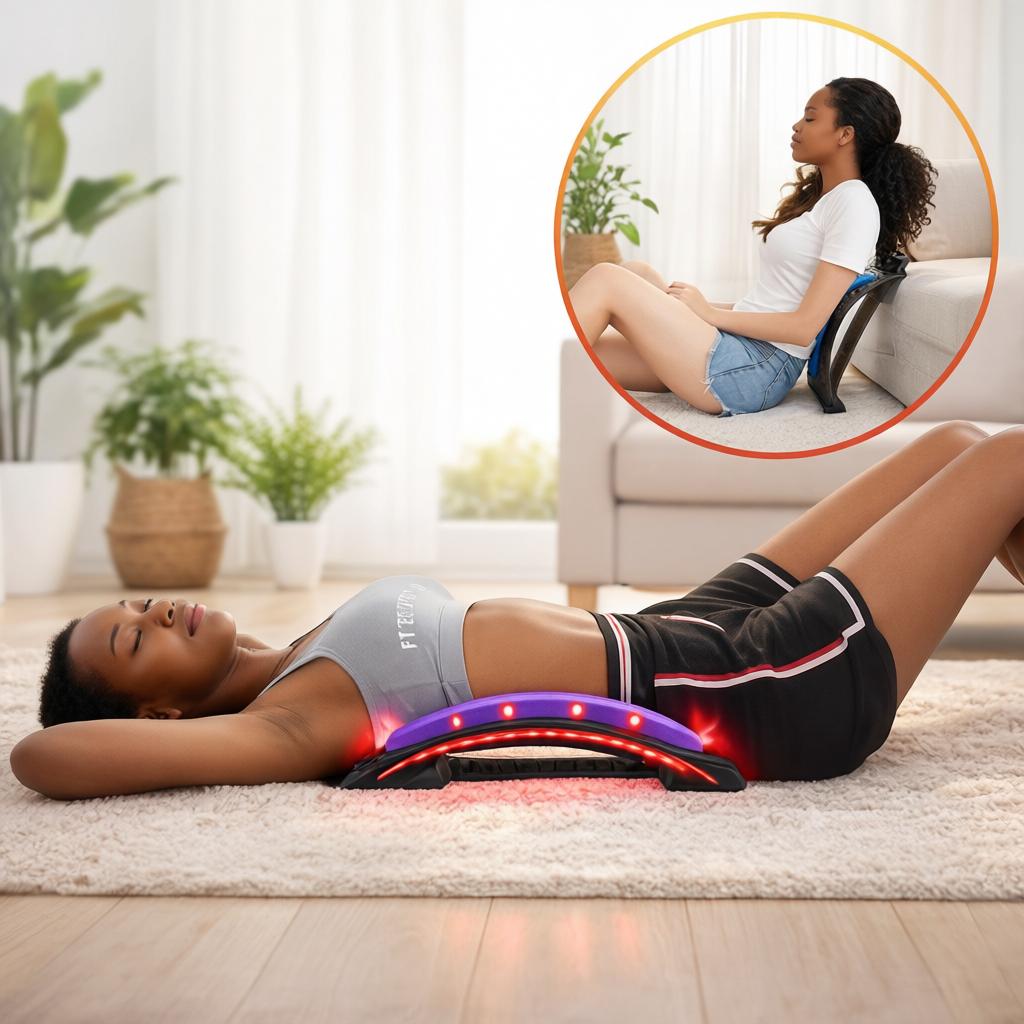
Many people use the device while lying on the floor, on a yoga mat, or even against a chair during work hours.
Understanding Sciatica
Sciatica is not a condition itself but a symptom caused by irritation or compression of the sciatic nerve—the largest nerve in the body. The pain usually starts in the lower back and travels through the buttocks and down one or both legs.
Common Symptoms of Sciatica
Sharp or burning pain
Tingling sensations
Numbness
Weakness in the leg
Pain when sitting for long periods
Difficulty standing up
Sciatica can result from:
Herniated discs
Bone spurs
Degenerative disc disease
Spinal stenosis
Poor posture
Muscle tightness
Can a Back Pain Correction Device Help with Sciatica?
In many cases, yes—but with important limitations.
A Back Pain Correction Device helps by gently stretching the lumbar spine. This decompression may reduce pressure on compressed spinal nerves, including the sciatic nerve.
Potential Benefits Include:
1. Reduced Nerve Compression
Gentle spinal extension creates small spaces between vertebrae, potentially reducing pressure around irritated nerves.
2. Improved Blood Circulation
Stretching encourages better blood flow to spinal muscles and tissues, supporting healing and reducing inflammation.
3. Muscle Relaxation
Many sciatica sufferers experience tight muscles surrounding the lower back. The device helps loosen these muscles naturally.
4. Better Flexibility
Regular stretching improves spinal mobility and reduces stiffness that contributes to nerve irritation.
5. Reduced Lower Back Tension
A relaxed lower back places less stress on the sciatic nerve, helping reduce discomfort over time.
Important Note
If sciatica symptoms are severe, worsening, or accompanied by loss of bladder or bowel control, immediate medical attention is necessary. A Back Pain Correction Device should never replace professional medical treatment in such situations.
Understanding Herniated Discs
The spine contains soft discs between each vertebra that act as cushions. A herniated disc occurs when the soft inner material pushes through the tougher outer layer.
This bulging disc may press against nearby nerves, causing:
Lower back pain
Leg pain
Tingling
Numbness
Muscle weakness
Common causes include:
Aging
Heavy lifting
Obesity
Sudden twisting
Poor posture
Can a Back Pain Correction Device Help with Herniated Discs?
Many physiotherapists recommend gentle spinal decompression exercises for certain disc problems, and this is where a Back Pain Correction Device may help.
Benefits May Include:
Reduced Disc Pressure
By gently arching the spine, the device can reduce compression between vertebrae, giving the discs more space.
Improved Spinal Alignment
Proper spinal alignment distributes body weight more evenly, reducing unnecessary stress on damaged discs.
Muscle Support
Supporting muscles become more relaxed, reducing muscle spasms commonly associated with herniated discs.
Better Mobility
Regular stretching can improve movement while decreasing stiffness.
Pain Management
Many users report gradual pain relief after consistent use alongside physiotherapy exercises.
However…
A severely herniated disc often requires professional diagnosis. Some individuals may require medication, injections, physical therapy, or surgery depending on severity.
Always consult your healthcare provider before using spinal stretching devices if you have a diagnosed disc injury.
Can a Back Pain Correction Device Improve Poor Posture?
Absolutely.
Poor posture is one of the most common reasons people experience chronic back pain today.
Modern lifestyles involve:
Working on computers
Looking down at phones
Driving long hours
Sitting at desks
Lack of exercise
Over time, these habits lead to:
Rounded shoulders
Forward head posture
Tight chest muscles
Weak core muscles
Flattened or exaggerated spinal curves
A Back Pain Correction Device can become an excellent posture-training tool.
How It Helps Correct Posture
Restores Natural Lumbar Curve
The lower back naturally curves inward.
Hours of sitting often flatten this curve.
Using the device encourages the spine to return toward its natural position.
Encourages Better Sitting Habits
After stretching sessions, many users naturally sit more upright because the muscles become more balanced.
Reduces Muscle Tightness
Tight muscles pull the spine into unhealthy positions.
Stretching helps restore balance.
Improves Core Engagement
Better spinal alignment encourages the abdominal and back muscles to support the body more efficiently.
Increases Flexibility
Flexible muscles allow healthier posture during standing, walking, and sitting.
Additional Benefits of Using a Back Pain Correction Device
Many users notice improvements beyond pain relief.
Better Sleep
Reduced muscle tension often leads to more comfortable sleeping positions.
Reduced Stress
Stretching naturally promotes relaxation and reduces physical stress stored in muscles.
Improved Mobility
Regular use helps maintain flexibility as people age.
Enhanced Exercise Recovery
Athletes and gym-goers often use spinal stretchers after workouts to relieve muscle tightness.
Convenient Home Therapy
Instead of frequent clinic visits, many people can perform daily stretching sessions from home.
Who Can Benefit Most?
A Back Pain Correction Device may benefit:
Office workers
Drivers
Teachers
Nurses
Hairdressers
Salon professionals
Warehouse workers
Students
Remote workers
Gym enthusiasts
Seniors experiencing stiffness
Anyone spending extended hours sitting or standing may experience noticeable improvements with regular use.
Who Should Avoid Using One?
Although generally safe, certain individuals should avoid using a Back Pain Correction Device without medical approval.
These include people with:
Recent spinal surgery
Severe osteoporosis
Advanced spinal fractures
Spinal infections
Tumors affecting the spine
Pregnancy (unless advised by a healthcare provider)
Severe scoliosis requiring specialist care
Always seek medical advice if unsure.
Tips for Safe Use
To get the best results:
Start Slowly
Begin with the lowest adjustment level.
Allow your body to adapt gradually.
Use for Short Sessions
Most beginners benefit from 5–10 minutes daily.
Gradually increase as comfort improves.
Relax While Stretching
Avoid forcing the stretch.
Allow gravity to gently decompress your spine.
Practice Consistently
Consistency is more effective than occasional long sessions.
Combine with Exercise
Pair the device with:
Walking
Core strengthening
Hip stretches
Hamstring stretches
Yoga
Physiotherapy exercises
Lifestyle Habits That Improve Results
A Back Pain Correction Device works best alongside healthy daily habits.
Maintain Good Posture
Sit with:
Feet flat
Shoulders relaxed
Back supported
Screen at eye level
Stay Active
Avoid sitting continuously for hours.
Stand up every 30–60 minutes.
Strengthen Your Core
Strong abdominal muscles reduce pressure on the spine.
Lift Properly
Bend at the knees rather than the waist.
Maintain Healthy Weight
Less body weight means less pressure on spinal discs.
Sleep on a Supportive Mattress
Proper spinal alignment continues while sleeping.
Common Misconceptions
Myth 1: It Cures Every Back Problem
No device can cure every cause of back pain.
The device supports spinal health but should not replace medical care.
Myth 2: More Stretching Is Better
Excessive stretching may irritate muscles.
Follow recommended usage instructions.
Myth 3: Results Are Instant
Some people experience immediate relief.
Others notice gradual improvements after several weeks.
Patience and consistency matter.
Choosing the Right Back Pain Correction Device
When shopping, consider:
Adjustable stretch levels
Durable construction
Comfortable foam padding
Massage or acupressure features
Lightweight design
Easy portability
Anti-slip base
Positive customer reviews
Quality matters because a well-designed device provides safer, more effective support.
Why Nigerians Are Choosing Back Pain Correction Devices
Back pain is becoming increasingly common among Nigerians due to long commutes, sedentary office jobs, physically demanding work, and extended hours spent using digital devices. A Back Pain Correction Device offers an affordable and convenient way to incorporate spinal stretching into a daily wellness routine without leaving home.
Whether you live in Lagos, Abuja, Port Harcourt, Kano, or anywhere else in Nigeria, having a portable device makes it easier to prioritize your spinal health. It is especially useful for busy professionals, entrepreneurs, students, and anyone seeking a practical solution for everyday back discomfort.
Final Thoughts
A Back Pain Correction Device can be an effective tool for managing mild to moderate back discomfort associated with sciatica, herniated discs, and poor posture. By promoting gentle spinal decompression, improving flexibility, relaxing muscles, and supporting better posture, it can help reduce pain and improve overall quality of life.
However, it is important to understand that these devices are not a substitute for professional medical diagnosis or treatment, especially for severe or persistent conditions. The best outcomes are achieved when a Back Pain Correction Device is combined with regular exercise, proper posture, healthy lifestyle habits, and guidance from a qualified healthcare professional when needed.
If you’re looking for a non-invasive way to support your spine, ease muscle tension, and improve posture, investing in a quality Back Pain Correction Device could be a worthwhile step toward better back health. With consistent use and realistic expectations, it can become an important part of your daily self-care routine, helping you move more comfortably, stand taller, and enjoy a more active, pain-free lifestyle.







 Get it on
  Download on the