






Healthy, radiant skin is a goal shared by many people, and modern skincare treatments make achieving smoother, brighter skin easier than ever. Among the most popular professional facial treatments are micro dermabrasion and chemical peels. Both treatments are designed to improve skin texture, reduce imperfections, and promote a youthful complexion, but they work in completely different ways.
If you’re wondering whether micro dermabrasion or chemical peels are the better choice for your skin, this comprehensive guide will explain everything you need to know. We’ll compare their benefits, drawbacks, suitability for different skin types, costs, recovery time, and expected results so you can make an informed decision.
What Is Micro Dermabrasion?
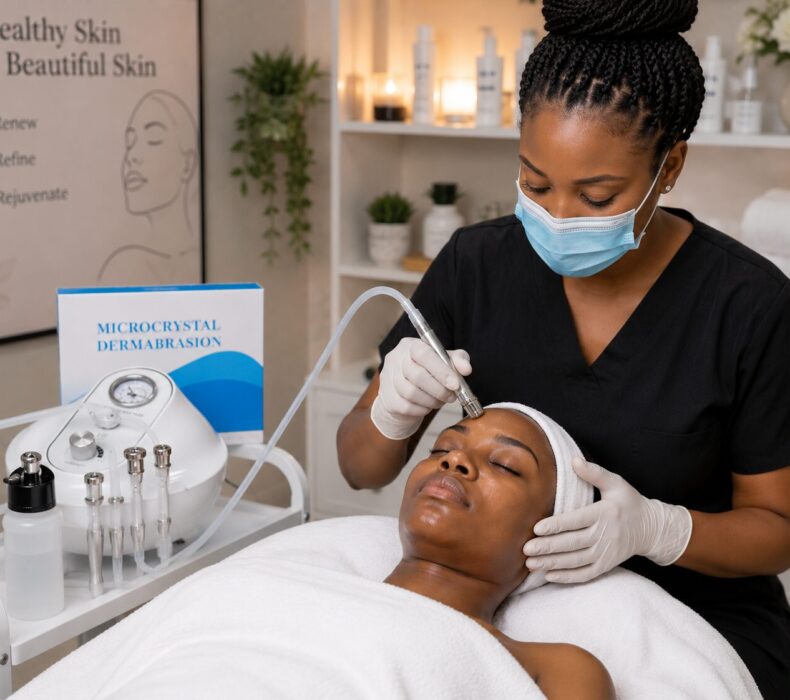
Micro dermabrasion is a non-invasive skin resurfacing treatment that gently exfoliates the outermost layer of dead skin cells using either diamond-tip technology or fine crystals combined with vacuum suction. The treatment stimulates the body’s natural skin renewal process while encouraging collagen production.
Unlike more aggressive facial treatments, micro dermabrasion is considered gentle enough for regular maintenance and requires little to no downtime.
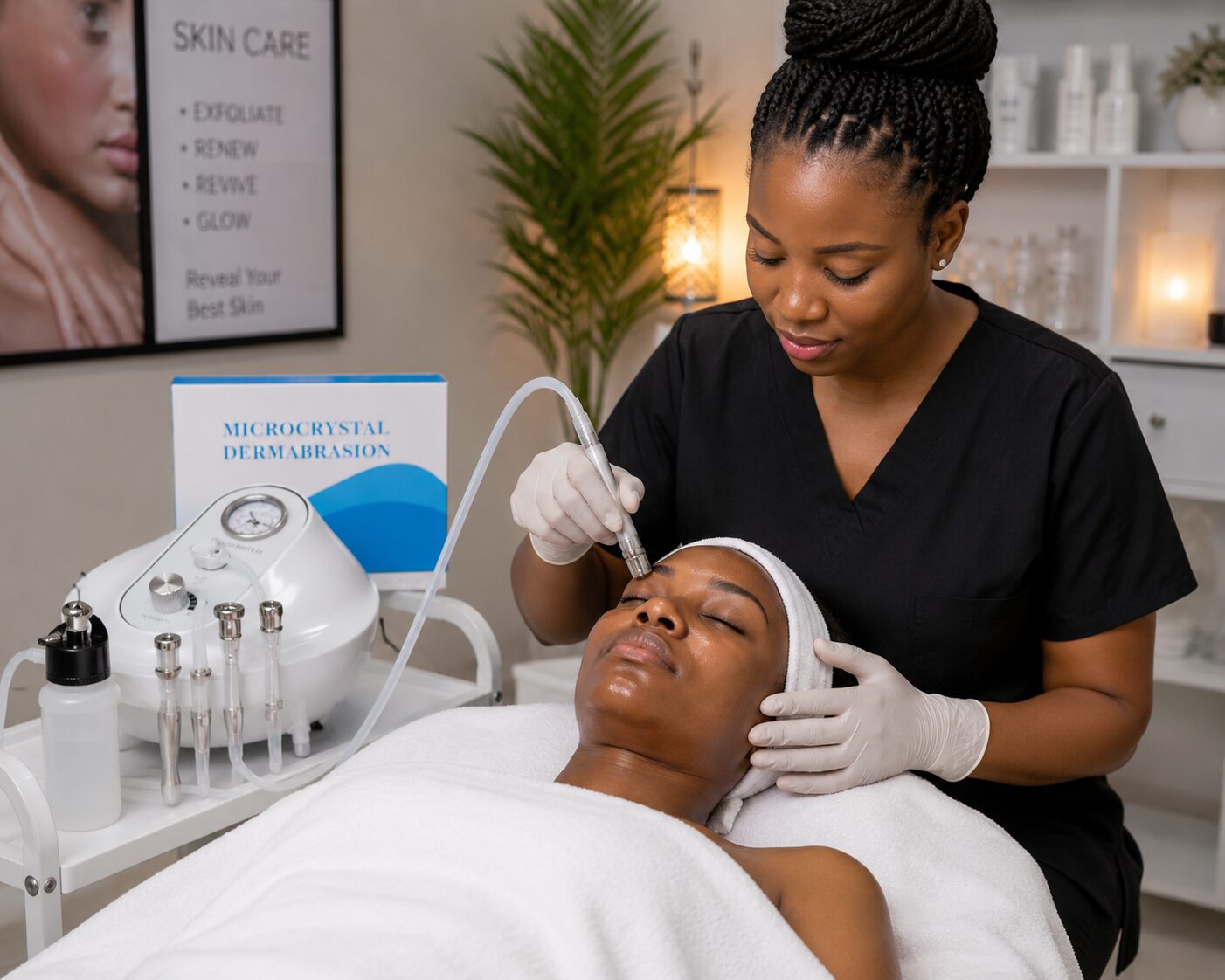
Professional spas, beauty clinics, dermatology offices, and aesthetic centers often use advanced micro dermabrasion machines that combine exfoliation with vacuum suction to deeply cleanse pores and improve skin texture.
Benefits of Micro Dermabrasion
Micro dermabrasion offers numerous skincare benefits, including:
- Removes dead skin cells
- Brightens dull complexion
- Reduces clogged pores
- Improves skin texture
- Softens fine lines
- Helps reduce mild acne scars
- Minimizes enlarged pores
- Fades superficial pigmentation
- Enhances skincare product absorption
- Stimulates collagen production
Many clients notice smoother, fresher-looking skin immediately after their first session.
What Are Chemical Peels?
Chemical peels are professional skin treatments that use specially formulated acids to remove damaged skin layers. The chemicals dissolve old skin cells, allowing healthier skin to emerge underneath.
Depending on the strength of the peel, treatment depth can vary significantly.
Chemical peels are generally divided into three categories:
1. Superficial Peels
These use mild acids such as:
- Glycolic acid
- Lactic acid
- Mandelic acid
They primarily treat:
- Mild pigmentation
- Rough texture
- Fine lines
- Uneven skin tone
Recovery usually takes only a few days.
2. Medium Peels
Medium-depth peels commonly use trichloroacetic acid (TCA).
They address:
- Moderate wrinkles
- Acne scars
- Sun damage
- Hyperpigmentation
Downtime typically ranges from one to two weeks.
3. Deep Peels
Deep peels penetrate the lower layers of skin using stronger solutions such as phenol.
These are recommended for:
- Deep wrinkles
- Severe sun damage
- Significant scarring
Recovery can take several weeks and should only be performed by qualified medical professionals.
How Does Micro Dermabrasion Work?
During treatment, the aesthetician moves a handheld device across the skin.
The machine gently:
- Exfoliates dead skin
- Vacuums away impurities
- Stimulates circulation
- Promotes collagen formation
The entire procedure typically lasts between 30 and 60 minutes.
Most people describe the sensation as similar to a gentle facial scrub.
How Do Chemical Peels Work?
Chemical peels rely on controlled chemical exfoliation rather than mechanical exfoliation.
The acid solution causes damaged skin cells to loosen and eventually peel away.
As healing occurs, the body produces fresh skin cells, resulting in smoother and healthier-looking skin.
The peeling process may continue for several days depending on the strength of the peel.
Micro Dermabrasion vs. Chemical Peels: Key Differences
| Feature | Micro Dermabrasion | Chemical Peel |
|---|---|---|
| Treatment Method | Mechanical exfoliation | Chemical exfoliation |
| Pain Level | Minimal | Mild to moderate |
| Downtime | Little to none | Several days to weeks |
| Skin Peeling | No | Yes |
| Suitable for Sensitive Skin | Often yes | Depends on peel strength |
| Immediate Results | Yes | Results appear after healing |
| Best For | Maintenance and mild skin concerns | Moderate to severe skin issues |
| Frequency | Every 2–4 weeks | Every few months |
Which Treatment Is Better for Acne?
The answer depends on the type of acne.
Micro Dermabrasion Helps With:
- Blackheads
- Whiteheads
- Mild acne scars
- Congested pores
- Oily skin
However, it should not be performed over active inflamed acne because it can spread bacteria.
Chemical Peels Help With:
- Active acne
- Acne scars
- Post-inflammatory pigmentation
- Oil control
Salicylic acid peels are particularly effective for acne-prone skin because they penetrate oil-filled pores.
Which Is Better for Anti-Aging?
Both treatments improve signs of aging but in different ways.
Micro Dermabrasion
Best for:
- Fine lines
- Dull skin
- Mild sun damage
- Early aging
It works gradually through regular treatments.
Chemical Peels
Better for:
- Deep wrinkles
- Age spots
- Uneven pigmentation
- Advanced photoaging
Medium and deep peels provide more dramatic anti-aging results.
Which Treatment Improves Skin Tone Faster?
If your goal is brighter skin with minimal recovery, micro dermabrasion is often the better option.
For stubborn pigmentation or melasma, chemical peels generally produce more noticeable improvement after several sessions.
Downtime Comparison
One of the biggest differences between these treatments is recovery.
After Micro Dermabrasion
You may experience:
- Mild redness
- Slight sensitivity
- Temporary dryness
Most people return to work immediately.
After Chemical Peels
Recovery depends on peel strength.
Possible side effects include:
- Redness
- Flaking
- Peeling
- Tightness
- Swelling
Medium and deep peels require more recovery time.
Which Treatment Is Safer?
Both treatments are safe when performed by trained professionals.
Micro dermabrasion is generally considered safer because:
- It is non-invasive.
- It has fewer side effects.
- It suits more skin types.
- Recovery is minimal.
Chemical peels require careful assessment because stronger acids increase the risk of burns, pigmentation changes, or scarring if used incorrectly.
Who Should Choose Micro Dermabrasion?
Micro dermabrasion is ideal if you have:
- Mild acne scars
- Dull skin
- Rough texture
- Enlarged pores
- Fine lines
- Oily skin
- Busy schedule with little downtime
It is also an excellent option for regular skin maintenance.
Who Should Choose Chemical Peels?
Chemical peels are better if you have:
- Deep acne scars
- Significant sun damage
- Melasma
- Hyperpigmentation
- Moderate wrinkles
- Severe skin discoloration
Patients should consult a qualified skincare professional before undergoing medium or deep peels.
Can Both Treatments Be Combined?
Yes.
Many skincare professionals combine micro dermabrasion and chemical peels as part of a comprehensive skin rejuvenation plan. However, these treatments are not usually performed on the same day unless specifically recommended by an experienced aesthetic practitioner.
A common approach is to alternate treatments over several weeks, allowing the skin enough time to recover while maximizing long-term results. This combination can improve skin texture, reduce pigmentation, and boost collagen production more effectively than relying on a single treatment alone.
Post-Treatment Skincare Tips
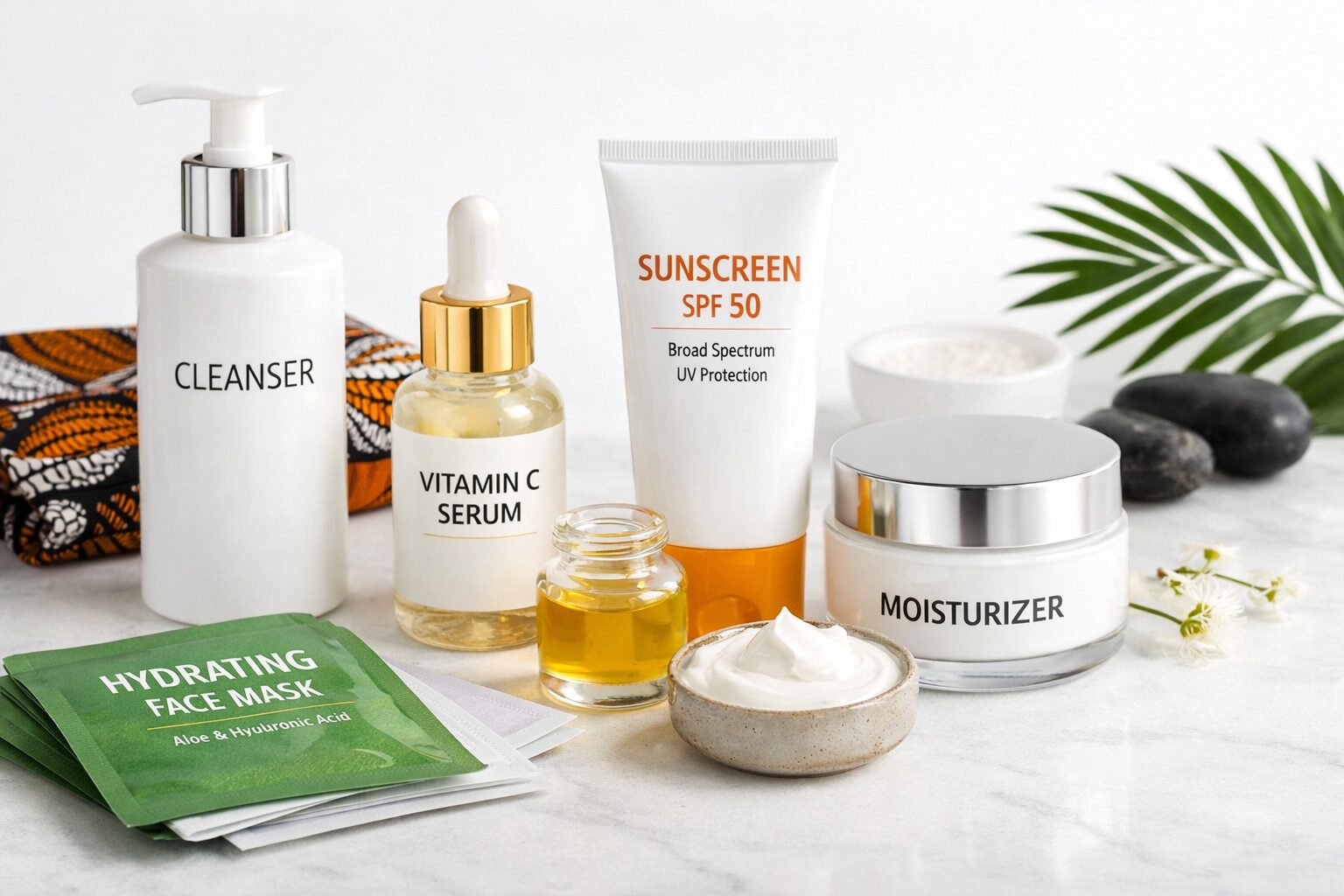
Regardless of which treatment you choose, proper aftercare is essential for maintaining healthy skin and achieving the best results.
Follow these guidelines after treatment:
- Apply sunscreen with SPF 30 or higher every day.
- Avoid direct sunlight for several days.
- Keep your skin moisturized with a gentle, fragrance-free moisturizer.
- Avoid harsh scrubs, exfoliants, and retinoids until your skin has healed.
- Drink plenty of water to keep your skin hydrated.
- Do not pick or peel flaking skin after a chemical peel.
- Follow all aftercare instructions provided by your skincare professional.
Good post-treatment care helps protect your skin and prolong the benefits of both procedures.
Which Treatment Offers Better Value?
The better value depends on your skincare goals.
Micro dermabrasion often requires multiple sessions to achieve cumulative improvements, making it an excellent choice for ongoing skin maintenance. It is generally more affordable per session and involves virtually no downtime.
Chemical peels may involve fewer treatments to address more significant skin concerns, particularly pigmentation and deeper wrinkles. Although medium and deep peels can cost more and require recovery time, they often deliver more dramatic results for specific conditions.
When choosing between the two, consider not only the cost but also your skin type, desired outcome, recovery time, and long-term skincare plan.
Final Verdict: Which Facial Treatment Is Better?
There is no universal winner because the best treatment depends on your skin’s condition and your beauty goals.
Choose micro dermabrasion if you want a gentle, non-invasive treatment that refreshes the skin, improves texture, minimizes pores, and requires little to no downtime. It is ideal for routine skincare maintenance and achieving a healthy glow.
Choose chemical peels if you need to treat deeper pigmentation, acne scars, advanced signs of aging, or significant sun damage. These treatments provide more intensive skin renewal but require careful professional assessment and a longer recovery period.
For many people, the most effective skincare strategy combines both treatments at different stages under the guidance of a licensed aesthetician or dermatologist. A personalized treatment plan can deliver smoother skin, a more even complexion, and long-lasting confidence.
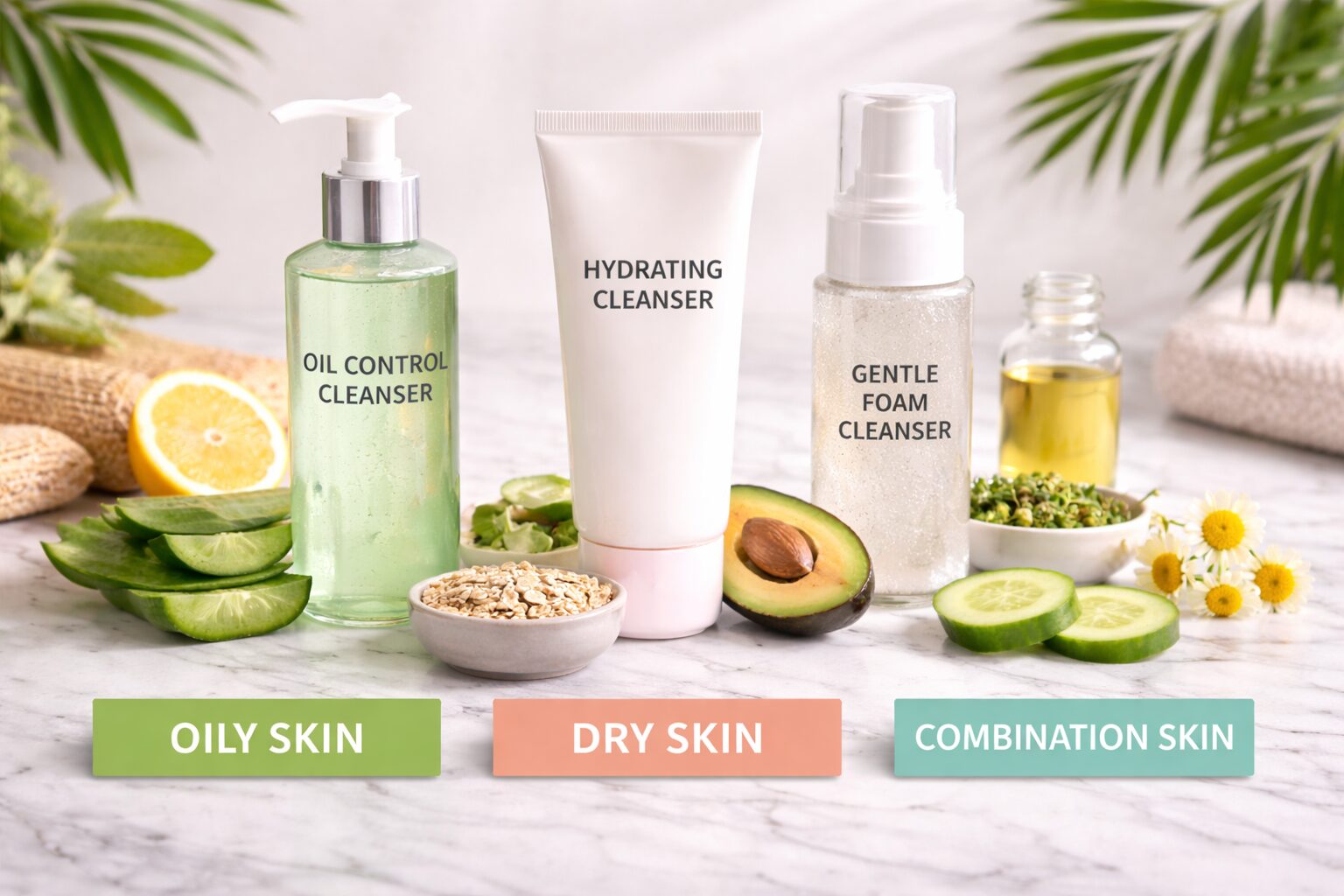
Whether you select micro dermabrasion or chemical peels, investing in professional skincare and maintaining a consistent home routine—including cleansing, moisturizing, and daily sun protection—will help you enjoy healthier, brighter, and younger-looking skin for years to come.





 Get it on
  Download on the