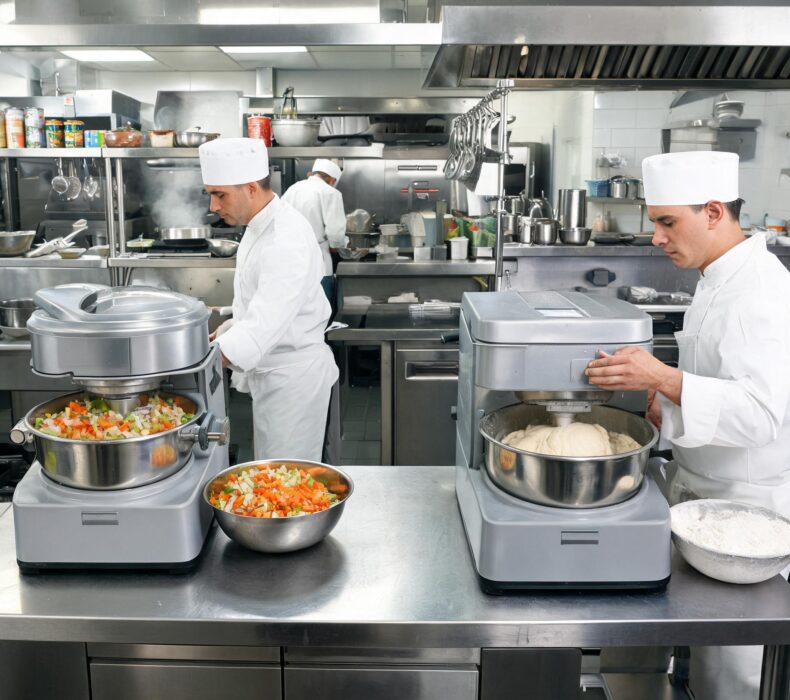
Choosing the right equipment is essential for efficiency and productivity in professional cooking environments. The Food Processors for Commercial Kitchens and Small Food Businesses play a crucial role in helping chefs and food entrepreneurs prepare large quantities of ingredients quickly and consistently. In fact, these powerful machines are designed to handle heavy workloads, making them ideal for restaurants, catering services, bakeries, and small food businesses.
Moreover, in fast-paced commercial kitchens, time and consistency matter greatly. Therefore, investing in a reliable food processor can significantly improve workflow and reduce operational stress.
Why Food Processors Are Essential for Commercial Use
Commercial kitchens require speed, accuracy, and durability. As a result, food processors have become indispensable tools in professional food preparation.
Some key advantages include:
Faster bulk food preparation
Consistent cutting and slicing
Reduced labor workload
Improved kitchen efficiency
Better time management
Increased productivity
Additionally, they help businesses maintain food quality while handling high demand.
High Performance for Heavy-Duty Tasks
One of the most important features of Food Processors for Commercial Kitchens and Small Food Businesses is their ability to handle continuous heavy use. Unlike home models, commercial processors are built with stronger motors and durable components.
Furthermore, they can easily process:
Large quantities of vegetables
Dough for baking in bulk
Meat and nuts for grinding
Ingredients for sauces and soups
Therefore, they ensure smooth and uninterrupted kitchen operations.
Saves Time in Busy Kitchens
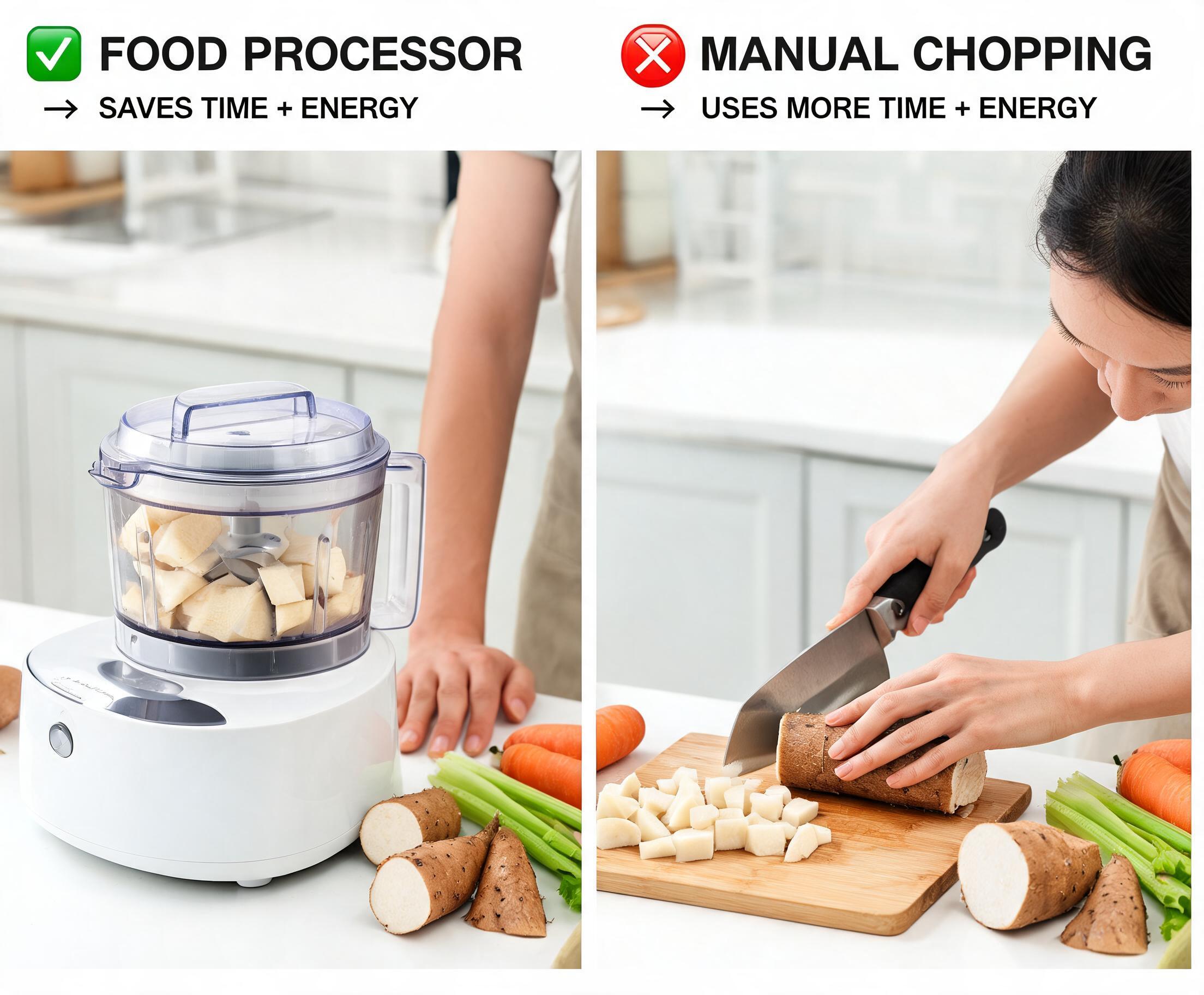
Time management is critical in food businesses. Therefore, food processors significantly reduce preparation time by automating repetitive tasks.
In addition, they help chefs:
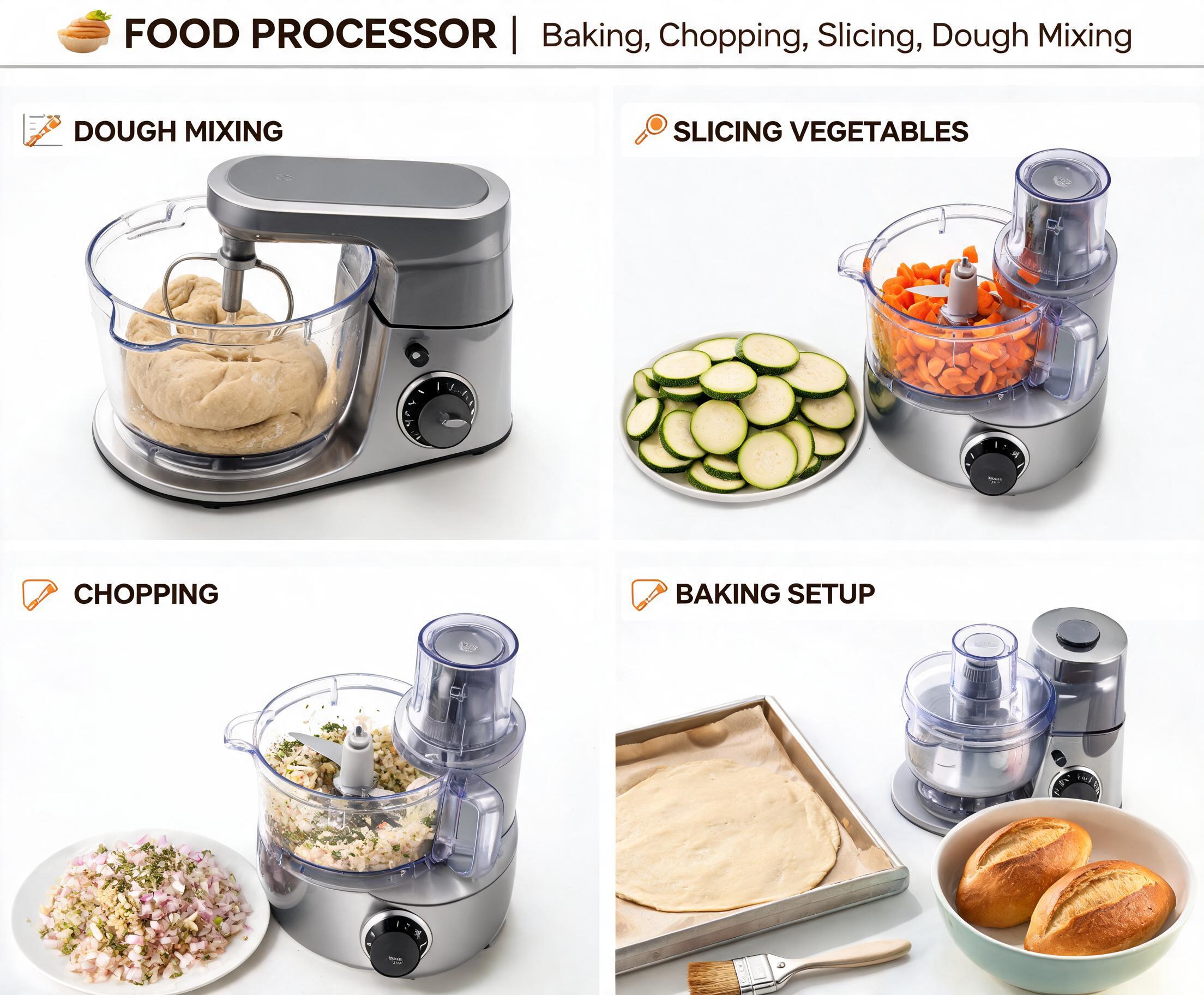
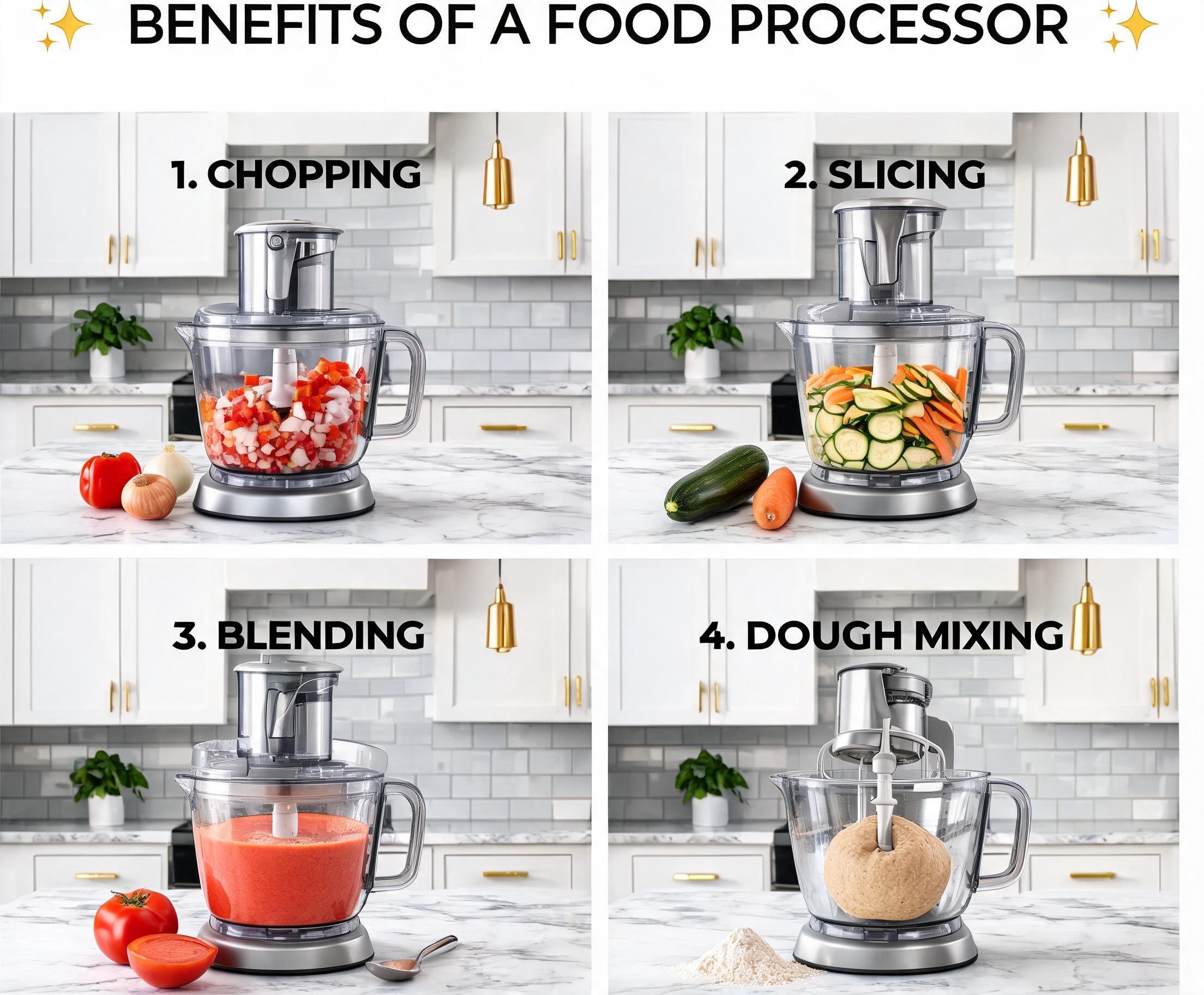
Chop vegetables within seconds
Slice ingredients evenly
Mix and knead dough quickly
Prepare sauces in bulk
As a result, staff can focus more on cooking and customer service.
Improves Consistency and Quality
Consistency is key in commercial food preparation. Moreover, customers expect the same taste and presentation every time they order.
Food processors help achieve this by:
Ensuring uniform slicing and chopping
Maintaining ingredient texture
Delivering consistent results across batches
Consequently, businesses can maintain high-quality standards easily.
Ideal for Small Food Businesses
Small food businesses such as home-based caterers, snack producers, and small restaurants also benefit greatly from food processors. Therefore, they can scale their operations without hiring extra staff.
Additionally, they help small businesses:
Increase production speed
Reduce manual labor costs
Improve efficiency with limited staff
Handle growing customer demand
As a result, they support business growth and profitability.
Key Features to Look For
When choosing Food Processors for Commercial Kitchens and Small Food Businesses, it is important to consider the following features:
Powerful Motor
A strong motor ensures continuous operation without overheating or breakdown.
Large Capacity Bowl
Bigger bowls allow bulk food processing, which is essential for commercial use.
Durable Build Quality
Stainless steel blades and strong materials ensure long-lasting performance.
Multiple Attachments
Attachments for slicing, chopping, and kneading increase versatility.
Easy Maintenance
Quick cleaning and detachable parts improve hygiene and efficiency.
Cost Efficiency for Businesses
Although commercial food processors require investment, they provide excellent long-term value. Moreover, they reduce the need for extra labor and speed up production.
Therefore, businesses benefit from:
Lower labor costs
Higher productivity
Reduced preparation time
Increased output
As a result, they improve overall profitability.
Conclusion
The Food Processors for Commercial Kitchens and Small Food Businesses are essential tools for any professional food setup. From improving speed and consistency to reducing labor costs and increasing efficiency, they play a major role in modern food operations.









 Get it on
  Download on the