Choosing the right kitchen appliance can be confusing, especially when comparing two powerful tools like a blender and a food processor. In fact, understanding Blender vs Food Processor: Which Appliance Should You Buy? is essential for making the best decision for your cooking needs. While both appliances help with food preparation, they serve different purposes and offer unique advantages in the kitchen.
Moreover, selecting the right one depends on your cooking habits, meal preferences, and the type of recipes you prepare regularly. Therefore, this guide will help you clearly understand the differences so you can make an informed choice.
What is a Blender?
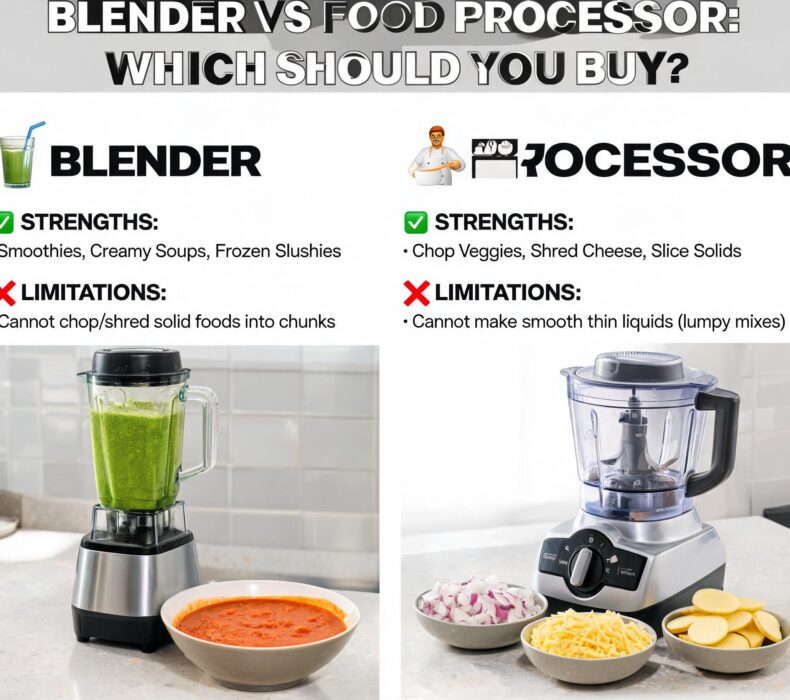
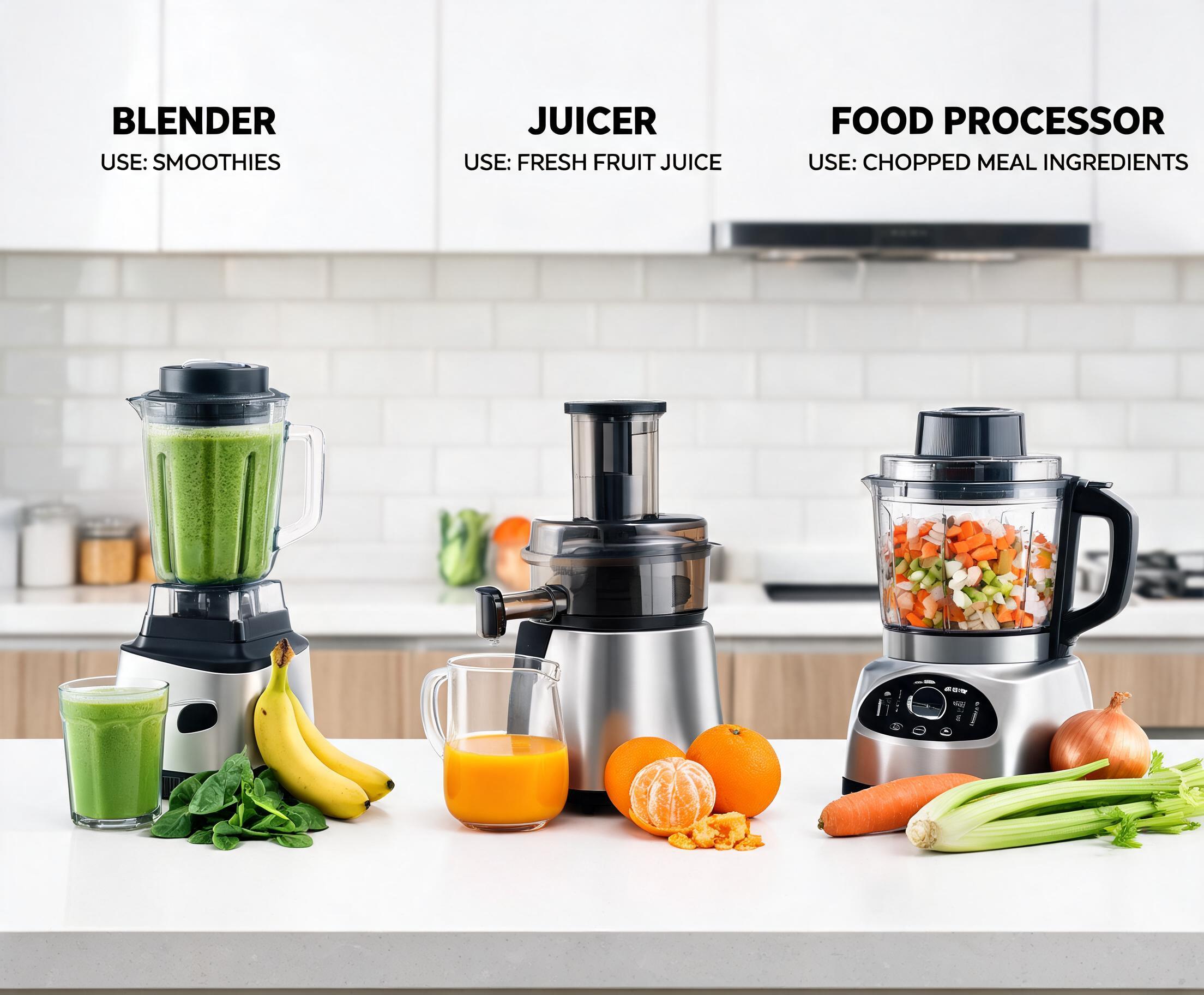
A blender is a kitchen appliance designed mainly for liquids and soft ingredients. It works by using fast-moving blades to mix, puree, and liquefy food items.
Common uses of a blender include:
Making smoothies and juices
Blending soups
Mixing protein shakes
Crushing ice
Pureeing soft foods
Additionally, blenders are ideal for creating smooth textures, making them perfect for drinks and liquid-based recipes.
What is a Food Processor?
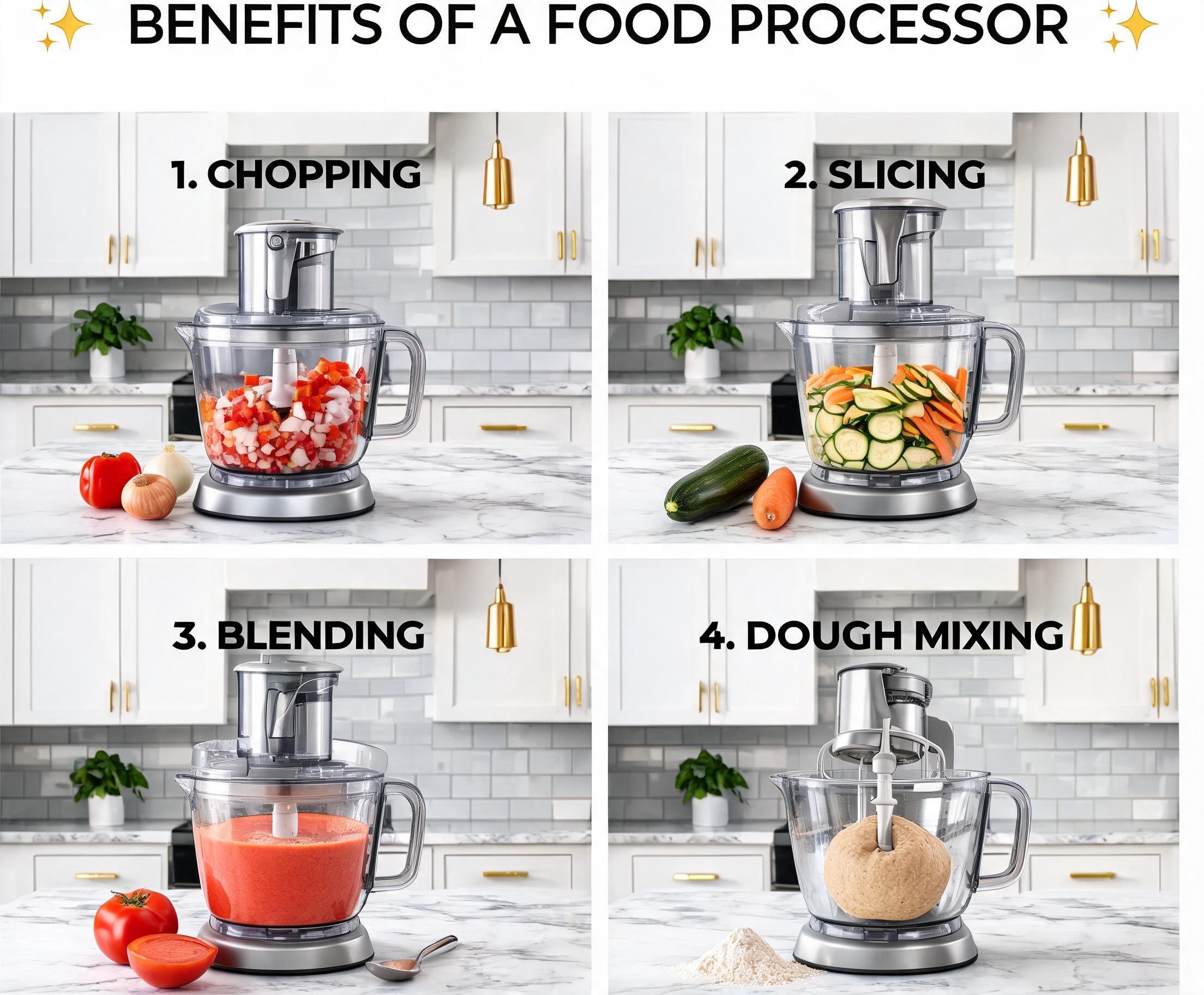
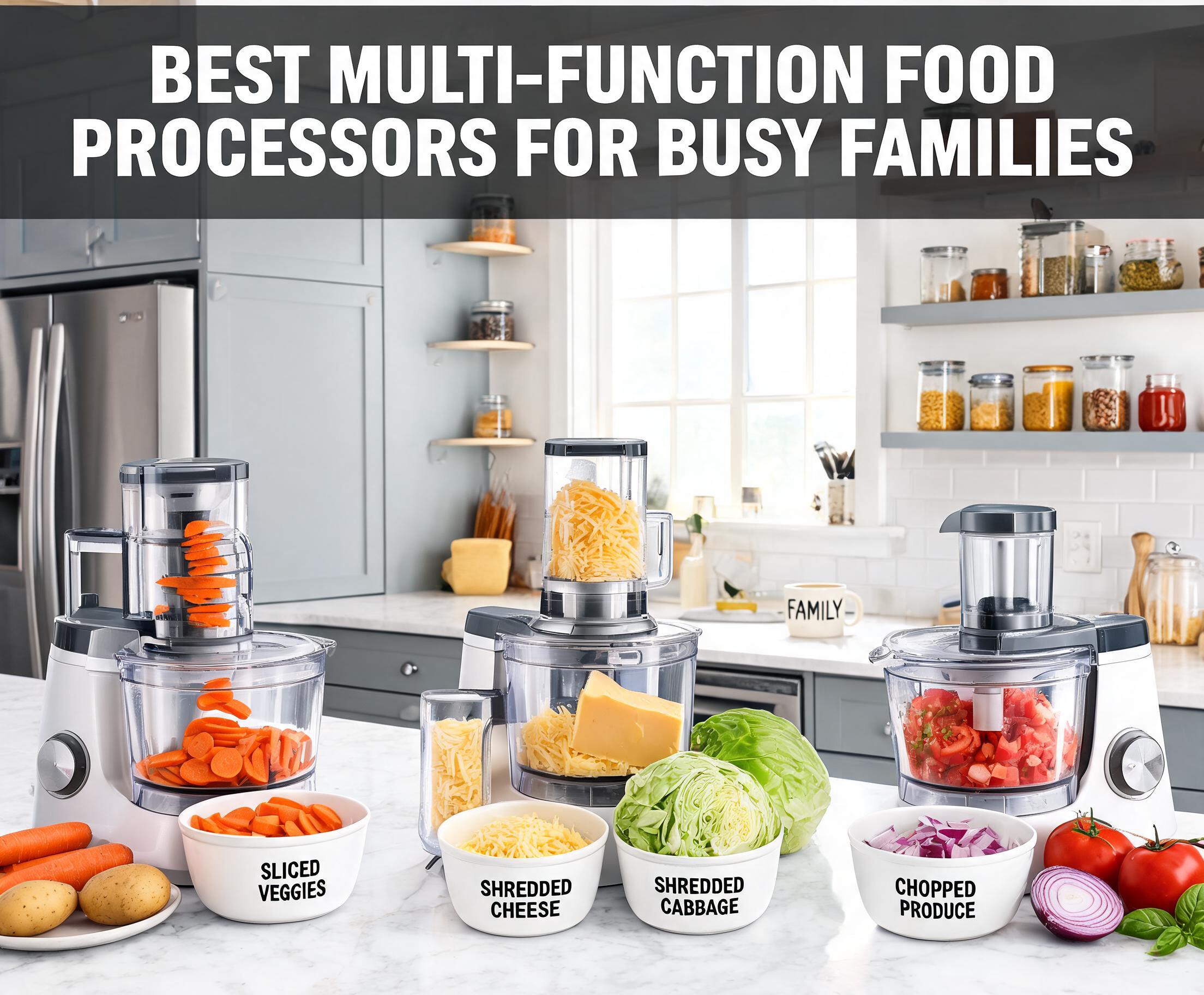
A food processor is a more versatile appliance designed for handling solid foods. Unlike a blender, it can chop, slice, shred, knead, and mix a wide variety of ingredients.
Common uses of a food processor include:
Chopping vegetables
Slicing fruits
Shredding cheese or cabbage
Kneading dough
Mixing thick batters
Furthermore, food processors are perfect for heavy-duty kitchen tasks that require precision and speed.
Blender vs Food Processor: Key Differences
Understanding Blender vs Food Processor: Which Appliance Should You Buy? becomes easier when you compare their core functions.
1. Texture Output
A blender creates smooth, liquid-like textures, while a food processor produces chunkier and more structured results.
2. Functionality
Blenders are limited to liquid-based tasks. In contrast, food processors handle a wider variety of solid food preparations.
3. Blade Design
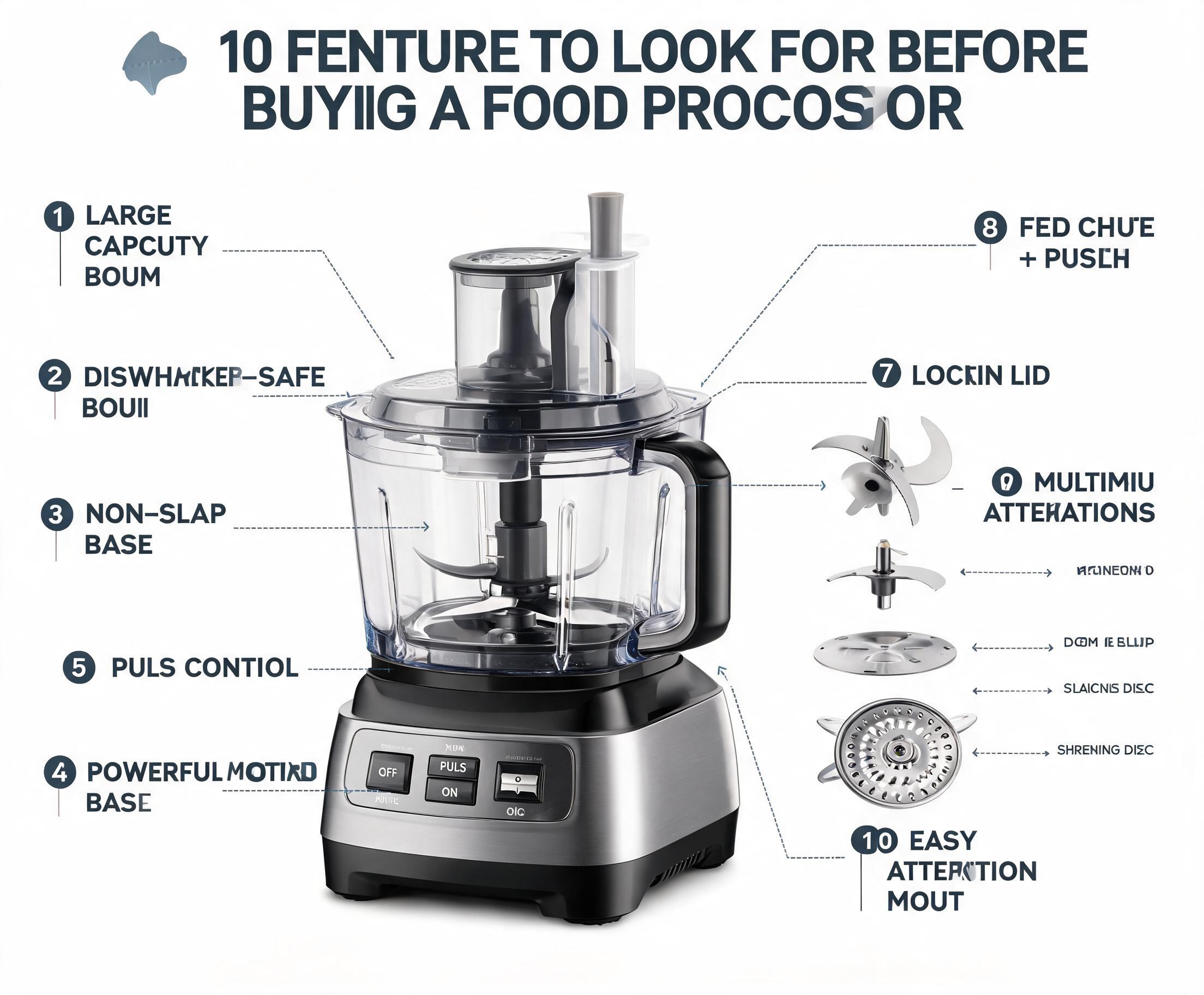
Blenders have fixed blades designed for vortex blending. Meanwhile, food processors use interchangeable blades and discs for multiple functions.
4. Capacity
Blenders usually have tall jars for liquids. However, food processors come with wide bowls that accommodate solid ingredients more efficiently.
5. Versatility
Food processors are more versatile overall. On the other hand, blenders excel in making drinks and smooth mixtures.
When Should You Use a Blender?
You should choose a blender if your main focus is:
Smoothies and juices
Soups and sauces
Protein shakes
Liquid recipes
Additionally, if you prefer healthy drinks or quick liquid meals, a blender is the better option.
When Should You Use a Food Processor?
A food processor is the right choice if you frequently:
Chop vegetables quickly
Prepare dough or pastry
Shred ingredients
Cook large meals
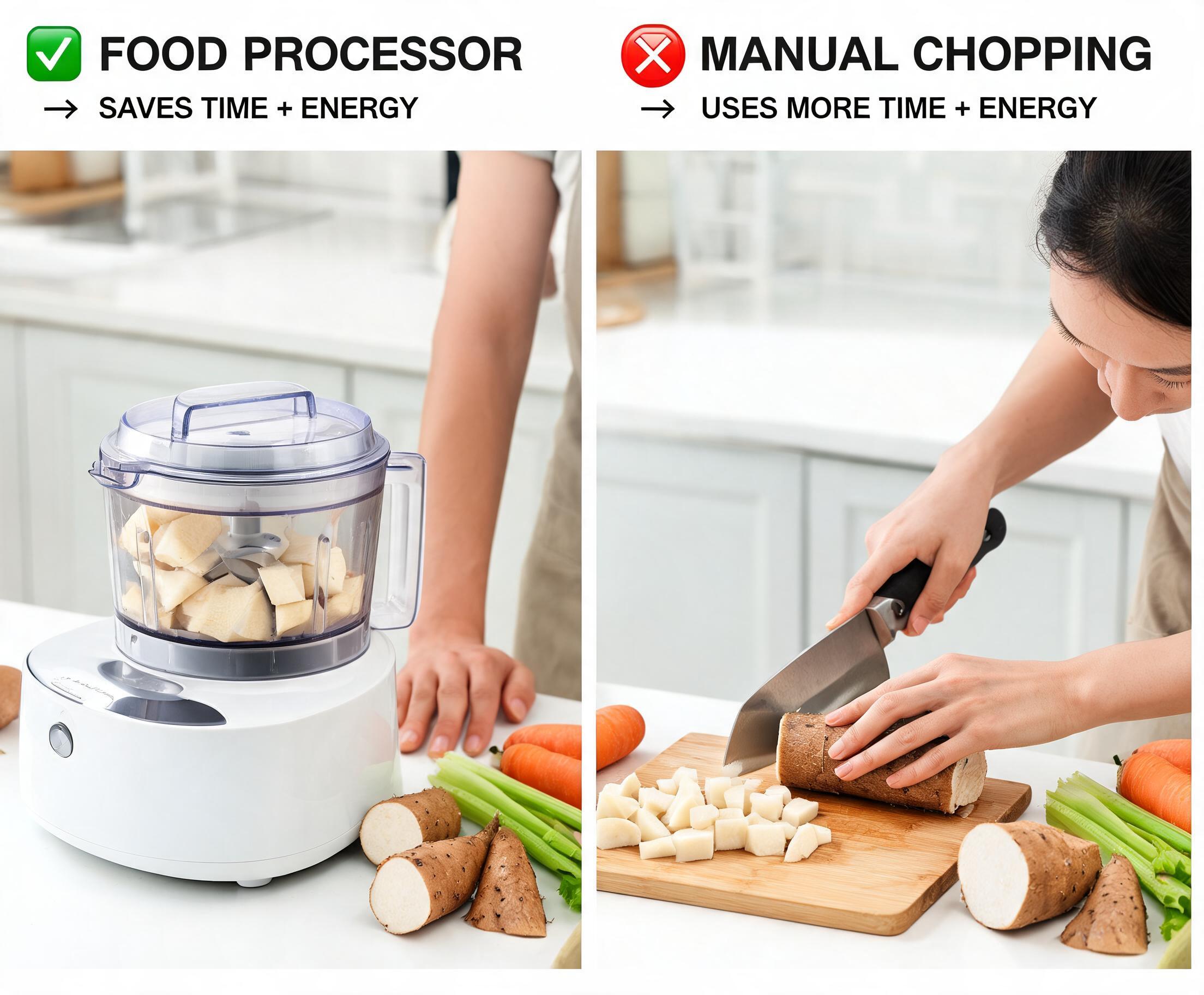
Moreover, it is ideal for home cooks who want to save time during meal preparation.
Blender vs Food Processor: Which Appliance Should You Buy?
Now that you understand both appliances, deciding Blender vs Food Processor: Which Appliance Should You Buy? depends entirely on your cooking style.
If you mostly prepare drinks, smoothies, and soups, a blender will suit your needs perfectly. However, if you cook full meals regularly and need help with chopping, slicing, and mixing, then a food processor is the better investment.
Interestingly, many modern kitchens actually benefit from having both appliances, as they complement each other very well.
Can One Replace the Other?
Not completely. Although some appliances come with multi-function features, a blender cannot fully replace a food processor, and a food processor cannot fully replicate a blender’s smooth blending ability.
Therefore, understanding their strengths helps you avoid buying the wrong appliance.
Conclusion
Choosing between a blender and a food processor becomes much easier once you understand their differences and uses. Ultimately, the decision in Blender vs Food Processor: Which Appliance Should You Buy? depends on your cooking habits and kitchen needs.









 Get it on
  Download on the