The search for reliable internet in Nigeria remains a top priority for urban households and small businesses in 2026.While mobile data networks offer flexibility, many users prefer dedicated ISPs for consistent performance. The ongoing debate between Spectranet vs. Smile Communications highlights two pioneers in the fixed wireless market. Both companies provide 4G LTE solutions, but their approaches to hardware pricing and network reliability serve different needs. This review explores which ISP offers the best value for your connectivity requirements.
Understanding the Operational Landscape
Before comparing prices, you must understand the core technology. Both providers utilize 4G LTE wireless infrastructure to deliver broadband through dedicated MiFi devices or desktop routers.
Spectranet: As one of Nigeria’s most recognized broadband brands, Spectranet dominates the fixed wireless market in cities like Lagos, Abuja, Ibadan, and Port Harcourt.Its appeal lies in its “plug-and-play” modem setup and strong support presence.Many professionals trust Spectranet for its consistent speed, especially in established urban residential zones.
Smile Communications: Smile focuses on a broad 4G LTE footprint across several key Nigerian economic hubs, including Benin City, Kaduna, Onitsha, and Asaba. Known for pioneering high-speed 4G data, Smile positions itself as a reliable broadband choice for users who need consistent mobile connectivity that functions across various cities.
Hardware Costs and Network Performance
To decide between Spectranet vs. Smile Communications, you must evaluate the hardware investment and the reliability of the connection in your specific area.
Comparison Feature
Spectranet
Smile Communications
Primary Strength
Consistent urban speed & support
Broad multi-city coverage
Best Use Case
Home offices & stable streaming
Mobile broadband across cities
Hardware Setup
Simple plug-and-play MiFi/Router
Portable MiFi & SuperFast routers
Typical Speed
Stable (High capacity)
Reliable (4G LTE focused)
1. Evaluating Mifi Prices
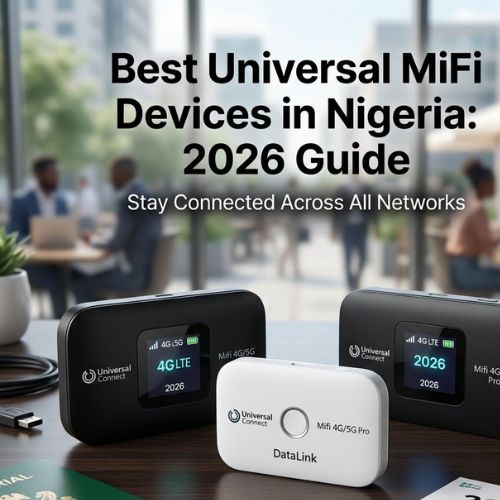
Both providers offer competitive MiFi pricing. You can typically find universal MiFi devices in the Nigerian market for ₦23,000 to ₦28,000, which support both networks. However, purchasing directly from the provider often includes bundled data bonuses or hardware warranties that third-party vendors do not offer. Always check the official website for current promotional bundles, as hardware costs frequently fluctuate during seasonal sales.
2. Network Stability and Congestion
Stability depends heavily on your location.Spectranet generally maintains high network capacity in dense urban centers, making it suitable for hybrid remote work. Smile Communications excels in maintaining stable connections across a wider geographic spread. If you travel frequently between major cities, Smile’s consistent performance across different regions provides a clear advantage.
Making Your Decision
Choosing the right ISP requires a localized audit of your environment.
Choose Spectranet if: You live or work in a major city like Lagos or Abuja and require a dedicated, stable connection for consistent remote work. Their infrastructure remains highly optimized for fixed home and office usage.
Choose Smile Communications if: You require a reliable connection that functions across multiple Nigerian cities. Their broad coverage footprint makes them an excellent choice for users who prioritize mobility and consistent access outside of primary urban centers.
Final Recommendation
The “best” provider is the one that works on your specific street. Before committing to a long-term plan, ask neighbors in your immediate vicinity about their experience with network uptime during peak evening hours. Since both providers offer similar technology, the local tower density near your home will be the primary factor determining your actual download speeds and connection quality.















 Get it on
  Download on the