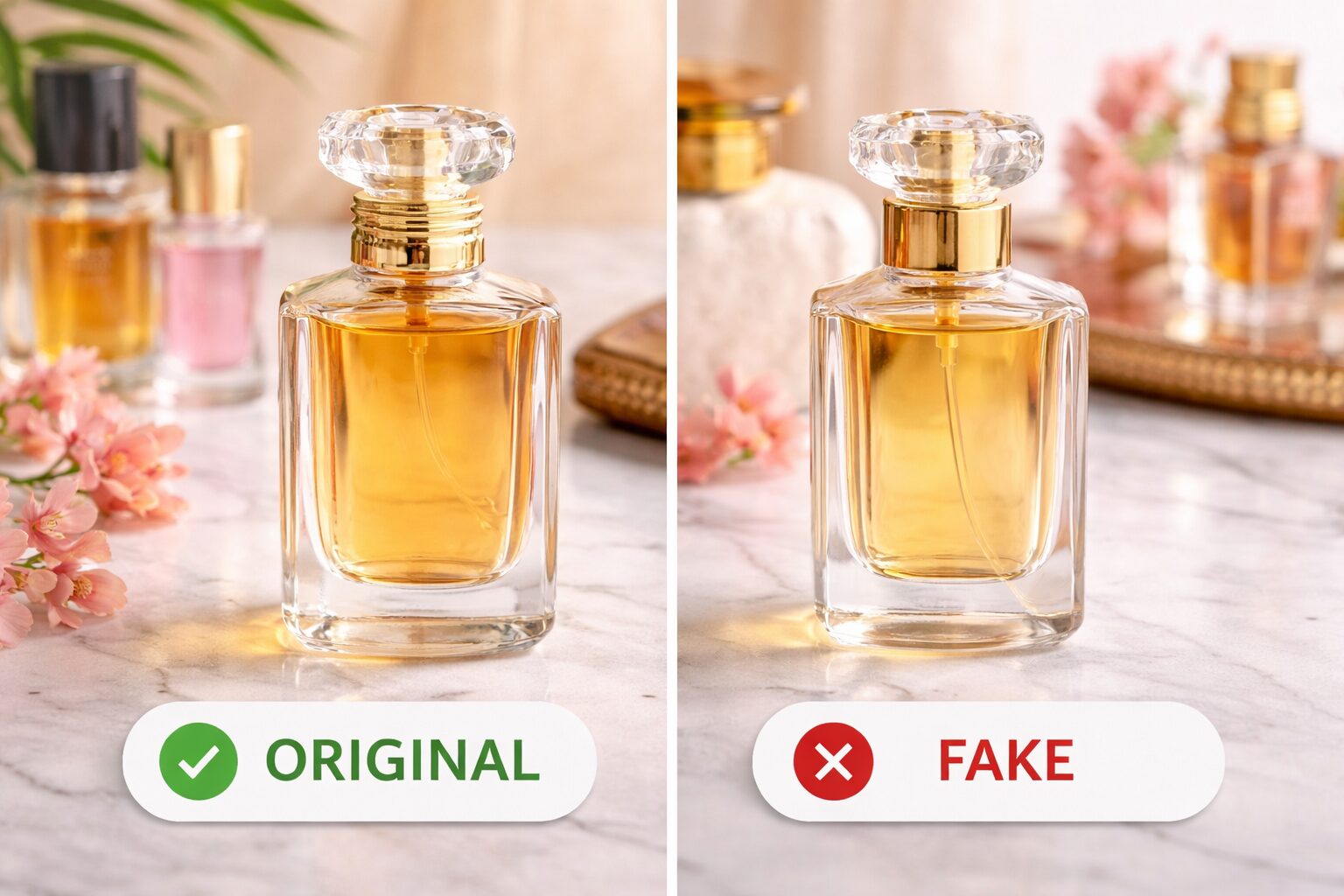
The fashion industry has grown significantly over the years, making designer clothing more accessible to consumers worldwide. Unfortunately, the popularity of premium fashion brands has also led to an increase in counterfeit products.
Today, many shoppers unknowingly purchase fake designer items believing they are authentic. While counterfeit clothing may look convincing at first glance, there are usually clear signs that reveal the difference between genuine and imitation products.
For fashion-conscious shoppers, understanding how to identify authentic pieces can help protect your investment and ensure you receive the quality you are paying for.
In this guide, we’ll compare original vs fake designer clothing, highlight common warning signs, and provide practical tips to help you shop confidently.
Why Counterfeit Designer Clothing Is So Common
Designer brands often carry prestige, quality craftsmanship, and exclusivity. Because of their popularity, counterfeit manufacturers attempt to replicate these products and sell them at lower prices.
Many fake items enter the market through:
Unauthorized online stores
Social media sellers
Informal marketplaces
Unverified third-party vendors
While some counterfeits may appear similar to authentic products, they rarely match the quality, durability, and attention to detail of genuine designer clothing.
Why Buying Authentic Designer Clothing Matters
Choosing authentic designer clothing Nigeria shoppers can trust offers several benefits.
These include:
Superior quality materials
Better craftsmanship
Longer lifespan
Higher resale value
Improved fit and comfort
Brand authenticity
Although authentic products may cost more initially, they often provide better long-term value than counterfeit alternatives.
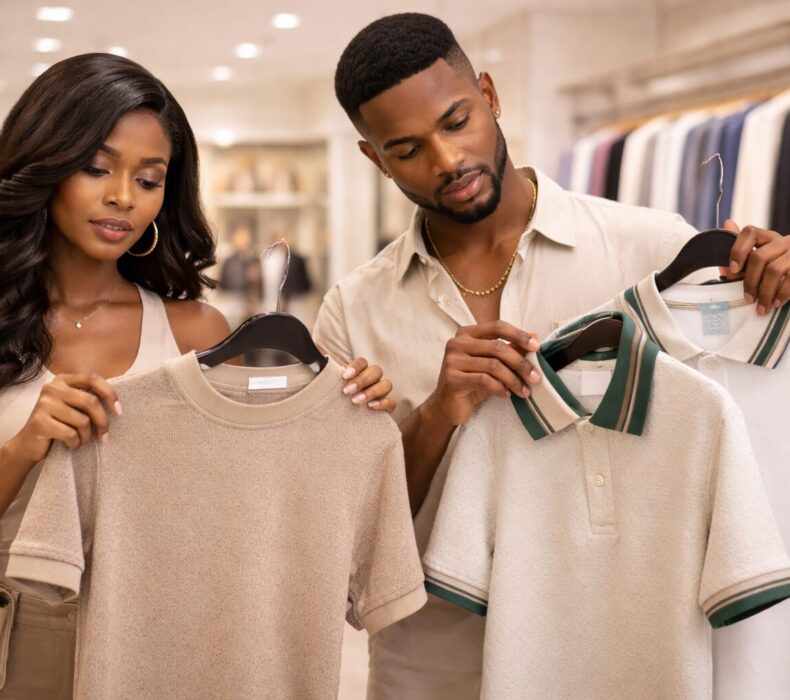
1. Check the Quality of the Fabric
One of the easiest ways to distinguish genuine designer clothing from fake products is by examining the fabric.
Authentic designer brands typically use:
Premium cotton
High-quality wool
Genuine silk
Durable denim
Carefully selected blends
Counterfeit products often use cheaper materials that may feel rough, thin, or poorly finished.
When shopping, pay attention to:
Fabric texture
Weight
Softness
Stitching quality
Premium fabrics usually feel noticeably different from lower-quality alternatives.
2. Examine the Stitching
Luxury fashion brands invest heavily in craftsmanship.
Authentic garments usually feature:
Straight stitching
Consistent thread patterns
Clean seams
Reinforced construction
Poor stitching is one of the most common indicators of counterfeit products.
Warning signs include:
Loose threads
Uneven seams
Misaligned stitching
Visible defects
Carefully inspecting garment construction can reveal important clues about authenticity.
3. Inspect Labels and Tags
Designer brands pay close attention to branding details.
Authentic labels typically include:
Correct spelling
High-quality printing
Consistent fonts
Accurate brand information
Counterfeit items often contain:
Spelling mistakes
Inconsistent logos
Poor printing quality
Missing information
Always compare labels with official brand references whenever possible.
4. Compare Logos Carefully
Many counterfeit manufacturers attempt to replicate designer logos.
However, small differences often exist.
Pay attention to:
Font spacing
Logo placement
Letter alignment
Symbol details
Authentic designer brands maintain strict consistency across all products.
Even minor logo variations may indicate a fake item.
5. Evaluate the Price
If a deal appears too good to be true, it often is.
Designer brands invest heavily in:
Materials
Manufacturing
Design
Quality control
As a result, genuine products rarely sell at extremely low prices.
While discounts are common during promotions, unusually cheap pricing should raise concerns.
Always verify the source before purchasing.
6. Review Packaging Quality
Authentic designer products often come with premium packaging.
This may include:
Branded boxes
Dust bags
Authenticity cards
Premium tags
Counterfeit products frequently cut costs by using lower-quality packaging.
While packaging alone does not guarantee authenticity, it can provide useful supporting evidence.
7. Verify Product Details Online
Before purchasing, compare the item with official brand images.
Look for:
Color accuracy
Product descriptions
Design details
Material specifications
Most designer brands provide detailed product information on their official websites.
Comparing these details can help identify inconsistencies.
8. Buy from Trusted Retailers
One of the safest ways to avoid counterfeit products is to purchase from reputable sellers.
While counterfeit products may initially appear attractive due to lower prices, they rarely offer the quality, durability, and craftsmanship found in authentic garments.
By examining fabrics, stitching, labels, logos, packaging, and seller credibility, shoppers can significantly reduce the risk of purchasing fake products.
Whether you’re investing in luxury fashion or simply upgrading your wardrobe, choosing authentic designer clothing Nigeria consumers trust is always a smarter long-term decision.
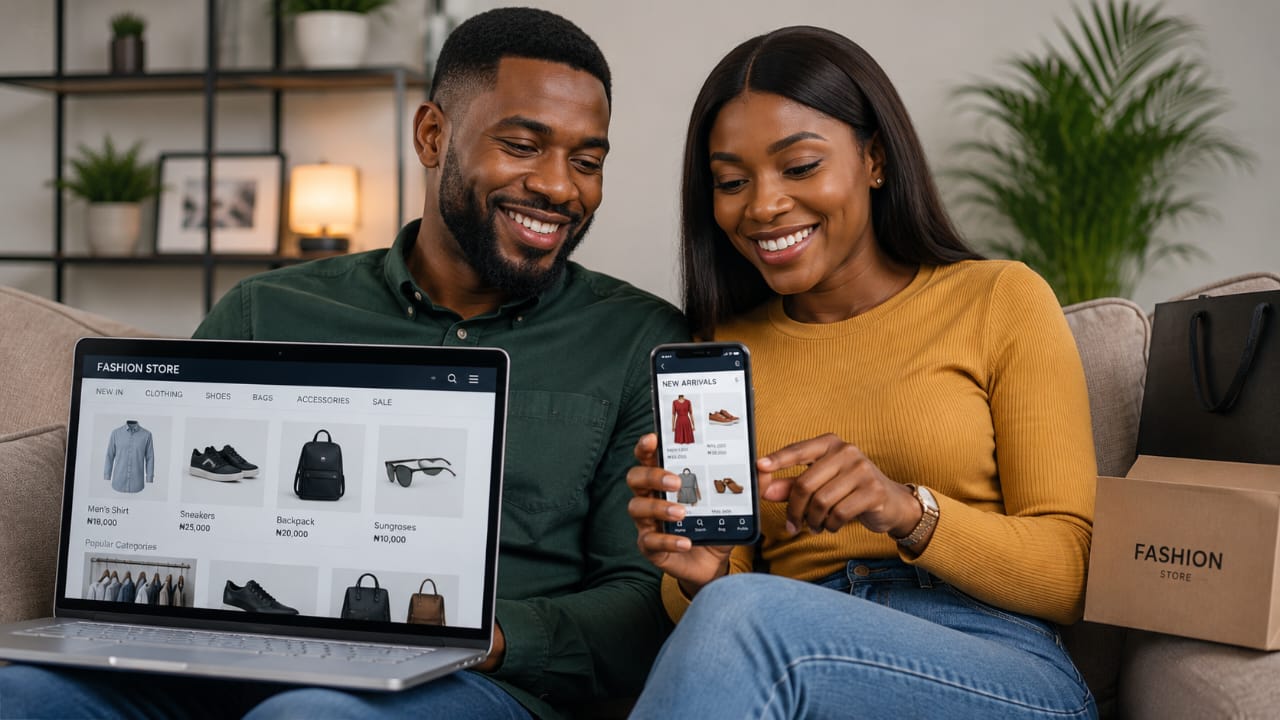
For shoppers looking to buy original designer clothing online Nigeria, purchasing from reputable retailers remains the safest and most reliable approach.











 Get it on
  Download on the