






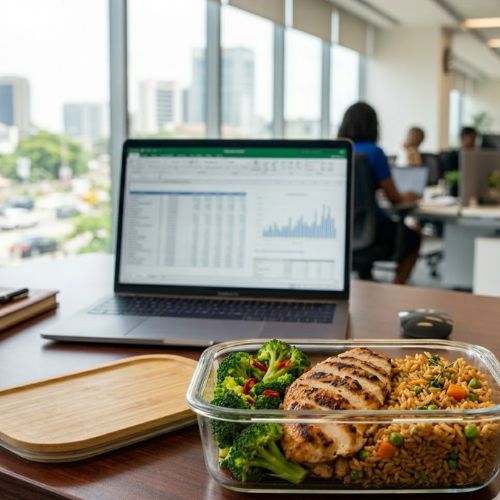
Staying healthy in urban Nigeria has become an uphill battle. With demanding 10-to-12-hour workdays, unpredictable Lagos traffic, and the sheer mental exhaustion of daily life, preparing clean food is practically a luxury. For corporate professionals and fitness enthusiasts, subscription-based meal prep feels like a lifesaver.
But do these businesses deliver real value, or are they just expensive portion control in eco-packaging?
At Elowise, our mission is to help you make smarter buying decisions through experience-driven, honest evaluations. We spent four weeks auditing tier-one food subscription businesses operating across Lagos and Abuja. We tracked nutritional transparency, ingredient quality, transit durability, and real costs.
If you are looking for healthy, calorie-counted meals that Lagos providers often promise, here is the absolute, unfiltered truth.
The Core Value Proposition: Convenience vs. Cost
The marketing pitches are incredibly seductive: “Eat clean, lose weight, save time.” They promise macro-balanced, calorie-counted local and continental meals delivered directly to your doorstep. For a generation trying to escape the vicious cycle of fast-food lunches and greasy office takeaways, this sounds ideal.
However, the primary barrier for the average consumer is the price premium. Subscription models typically range from ₦90,000 to ₦220,000 per month for a single daily meal plan (typically lunch or dinner, five days a week). If you scale that up to full breakfast, lunch, and dinner coverage, you are looking at an investment that easily outpaces a standard household grocery budget.
To evaluate if this cost is justified, Elowise broke down the performance indicators across four core testing dimensions.
1. The Accuracy of Nutritional Claims & “FitFam” Hype
The biggest selling point of a specialized healthy food delivery service is the math. You aren’t just paying for food; you are paying for data—specifically, the precise distribution of macros (protein, carbohydrates, and fats) and an exact calorie count tailored to weight loss, muscle gain, or therapeutic management.
What We Discovered
There is a significant gap between the theoretical calories printed on the custom container stickers and the practical layout of the meal inside.
-
Portion Variance: In two out of the three services tested, our kitchen scales revealed substantial variance in portion sizes from day to day. For instance, a dish labeled as “Grilled Chicken Breast with Stir-fried Cauliflower Rice (350 kcal)” varied by up to 85 grams between a Tuesday delivery and a Thursday delivery.
-
The Macro Shift: Protein portions—the most expensive macro component—were frequently shortchanged. Meanwhile, cheaper carbohydrate fillers, like sweet potato wedges or brown rice, occasionally ran over the designated limit.
For a strict fitness enthusiast operating on a precise caloric deficit, these undocumented 150-to-200-calorie discrepancies can entirely stall weight-loss progress over a month. If you are paying for premium healthy calorie-counted meals on Lagos platforms market to fitness junkies, you deserve exact metrics.
2. Ingredient Integrity and Local Realities
Healthy food requires premium, unadulterated raw materials. We heavily audited the quality of ingredients used, checking for chemical or synthetic additives, excessive sodium (often used to artificially compensate for lack of flavor), and oil saturation.
The Oil Factor
Traditional Nigerian cooking relies heavily on palm oil and refined vegetable oils. True health delivery services claim to use minimal healthy oils like extra virgin olive oil, avocado oil, or coconut oil. While the premium brands honor this, mid-tier services frequently slip back into using standard, high-heat refined oils that leave a greasy layer at the base of the containers.
Produce Freshness
Vegetables degrade quickly in transit. We noticed that leafy greens (such as Ugu or spinach used in healthy Efo-Riro variations) often suffered from over-steaming, turning into a soggy, nutrient-depleted mush by the time they reached our testers. However, root vegetables and cruciferous items like broccoli and cabbage held their texture remarkably well.
3. Logistics, Cold Chain, and the Realities of Transit
A meal prep subscription is only as good as its logistics engine. In Nigeria, the “cold chain”—the system of keeping perishable food at safe, chilled temperatures from production to delivery—faces immense structural challenges, including intense tropical heat and unpredictable gridlocks.
Most services utilize dispatch riders executing multiple drop-offs along a designated route. If your workspace or home is the last stop on a rider’s route, your meal may spend two to three hours inside a thermal delivery box in midday temperatures hovering around 34°C.
During our test window, 12% of the meals arrived lukewarm rather than chilled or freshly hot. This isn’t just a matter of taste; it is a critical food safety concern. Protein items, particularly seafood like grilled fish or prawns, showed rapid signs of aromatic degradation when delayed in transit. Consumers must immediately inspect the seal and thermal state of their food upon delivery.
Operational Review Matrix
To give you a clear, structured view of the landscape, here is an operational matrix based on our multi-week testing across the major service profiles currently available in Nigerian urban centers:
| Service Profile Tier | Avg. Monthly Cost Range (1 Meal/Day, 5 Days/Wk) | Portion & Macro Consistency | Transit & Delivery Reliability | Overall Value Verdict |
|
Tier 1: Premium Bespoke Clinic Hubs
|
₦180,000 – ₦250,000 |
Excellent (<5% variance) |
High (Dedicated cooling tracking) |
Worth it only for strict medical or high-budget fitness targets. |
|
Tier 2: Commercial FitFam Kitchens
|
₦110,000 – ₦160,000 |
Moderate (10-15% variance) |
Variable (Subject to route delays) |
The sweet spot for busy corporate workers seeking general convenience. |
|
Tier 3: Independent Instagram Chefs
|
₦75,000 – ₦105,000 |
Poor (Unmeasured, unweighed) |
Unpredictable |
Essentially, high-priced home cooking; it lacks actual macro data. |
Deep Dive: How Popular Healthy Alternatives Performed
To make this review actionable, let’s look at how typical Nigerian dietary adaptations performed under our review microscope.
🟢 Elowise Score: 8.2 / 10
The Low-Carb Swallows (Plantain, Oatmeal, or Cauliflower Amala)
The Evaluation: For individuals managing insulin resistance or weight profiles, traditional high-glycemic swallows like Eba or pounded yams are problematic. The meal services we tested substituted these with customized fiber-rich blends. The texture of oatmeal and plantain swallows held up beautifully even after reheating. Cauliflower-based alternatives felt slightly watery but successfully fulfilled the neurological craving of eating a traditional Nigerian soup pairing without the associated carb spike.
🟡 Elowise Score: 6.5 / 10
The Brown Rice & Basmati Grain Swaps
The Evaluation: Most services offer Jollof or fried rice variations using brown rice or whole-grain Basmati. While the flavor profiles were highly impressive—proving that Nigerian chefs can create deep, smoky flavor dimensions without heavy quantities of artificial seasoning cubes—the portion sizes here were the most frequent culprits for caloric expansion. Because grain density changes upon boiling, kitchens often over-pack these elements to make the container look full, inadvertently adding unaccounted carbohydrates to the consumer’s daily intake.
The Hidden Costs and Friction Points
Beyond the subscription price, consumers must navigate several hidden logistical friction points that are rarely discussed in the glowing reviews on social media:
-
The Reheating Dilemma: Most delivery containers are plastic. Even when labeled “microwave safe,” repeated exposure to high heat can trigger chemical leaching. If your corporate workspace lacks a high-functioning microwave, or if you prefer to avoid heating plastic, you face the daily chore of transferring your lunch onto ceramic dinnerware, which partially defeats the hands-off convenience promise.
-
Delivery Time Lock-ins: Dispatch systems frequently operate on rigid block windows (e.g., 9:00 AM to 12:00 PM). If an urgent corporate assignment calls you out of your workspace during that window, coordinating hand-offs with building security or reception desks often leads to misplaced or compromised meals.
-
The Monotony Factor: Despite rotating weekly menus, corporate kitchens naturally rely on fixed base ingredients—chicken breast, turkey, sweet potatoes, and eggs. By week three, many of our testers reported a distinct sense of dietary fatigue, leading to a strong temptation to cheat with local, highly seasoned office canteen foods.
The Elowise Buying Verdict: Should You Subscribe?
Are Nigerian meal prep and healthy food delivery services worth your hard-earned money? The answer depends entirely on your current financial positioning and specific lifestyle challenges.
-
You should subscribe if: You are a high-earning corporate professional, business leader, or digital nomad who regularly works over 60 hours a week, cannot cook, and has a clear health directive (such as reversing pre-diabetes or hitting a vital fitness milestone). In this case, the ₦150,000 a month expense is easily offset by the hours saved on grocery shopping, meal preparation, and cleaning, combined with the long-term savings on healthcare costs.
-
You should avoid it if: You are on a tight, structured monthly budget and are subscribing solely because of the aesthetic appeal or social media trend. For the cost of a single-person monthly meal subscription, you can comfortably finance a high-quality, comprehensive household grocery run at local open-air markets or wholesale stores, batch-cook your own macro-precise meals over the weekend, and preserve your capital.
Elowise Consumer Pro-Tips for Subscribing
-
Start with a 5-Day Trial: Never buy a full 30-day package immediately. Test the service for a single week to evaluate its delivery promptness to your exact geographical location.
-
Audit with a Scale: Spend the first three days weighing the protein elements on a basic digital kitchen scale to verify that you are actually getting the structural value you are paying for.
-
Opt for Weekly Pauses: Choose services that offer flexible cancellation or pause features so you can save money when traveling, on holiday, or attending corporate events.





 Get it on
  Download on the