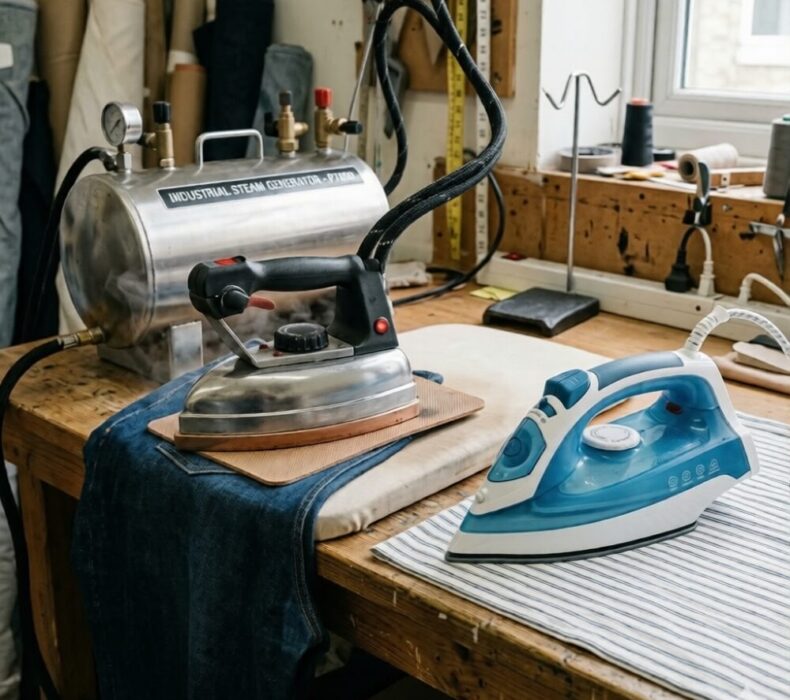
Ironing is a daily necessity in Nigerian homes, from crisp office shirts to traditional attires like Ankara and lace. But not all irons are created equal. While regular irons are designed for everyday household use, industrial pressing irons are built for heavy-duty performance in tailoring shops, laundries, and large families. In this blog, Cleaneat explores industrial pressing iron vs home iron Nigeria, highlighting the differences, advantages, and practical applications.
Industrial Pressing Iron vs Home Iron Nigeria: The Basics
Industrial Pressing Irons
Heavy-duty design with robust build quality.
Higher wattage for faster heating and consistent performance.
Larger soleplates for covering more fabric in less time.
Built to withstand continuous use in tailoring shops and laundries.
Regular Home Irons
Lightweight and compact.
Designed for occasional household use.
Affordable and widely available in Nigerian markets.
Suitable for everyday fabrics and small laundry loads.
Key Comparison Table
Feature
Industrial Pressing Iron
Regular Home Iron
Price in Nigeria
Higher, premium investment
Affordable, budget-friendly
Performance
High, consistent heat
Moderate, may fluctuate
Durability
Very high, long-lasting
Moderate, shorter lifespan
Weight
Heavy
Light
Fabric Compatibility
Thick fabrics, bulk loads
Everyday fabrics
Electricity Use
Higher consumption
Lower consumption
Industrial Pressing Iron vs Home Iron Nigeria: Which is Better?
Everyday Household Use
Home irons are ideal for small families, students, and singles. They are affordable, easy to use, and consume less electricity.
Industrial irons may be overkill for everyday use, as they are heavier and consume more power.
Professional and Business Use
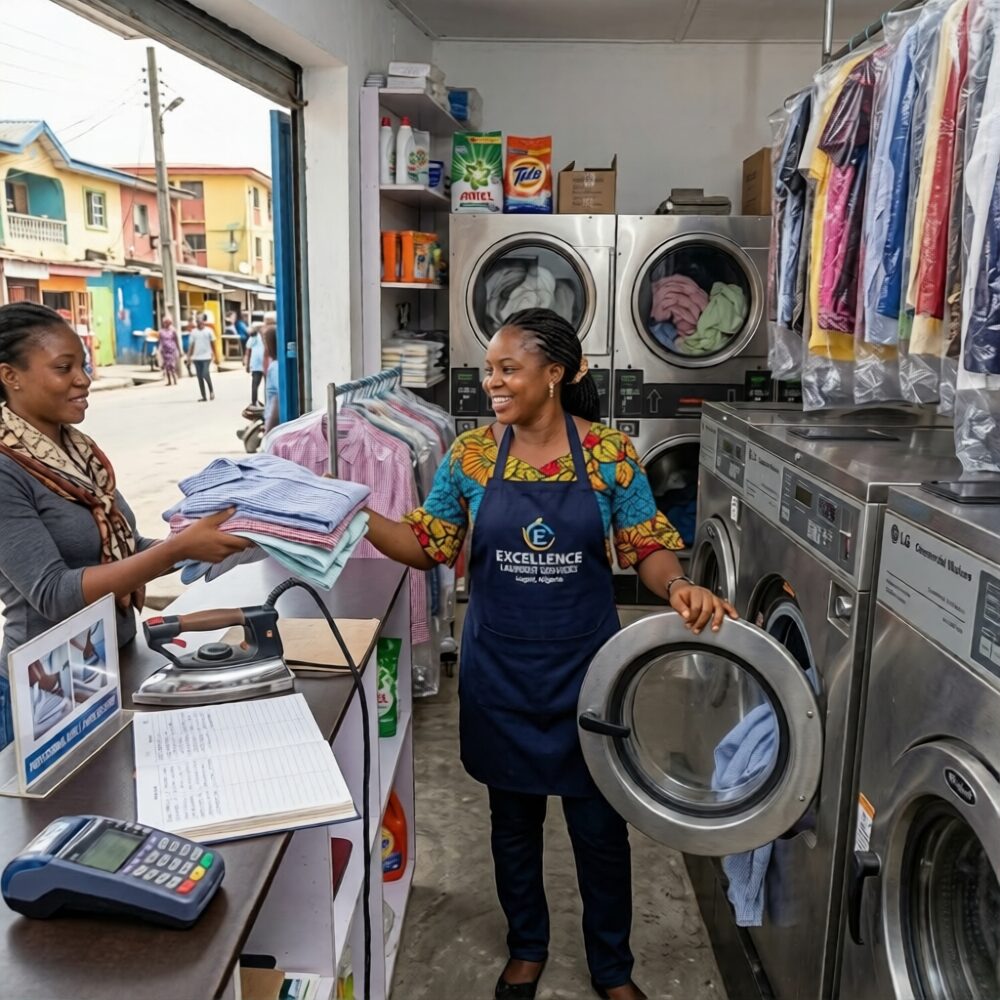
Industrial irons are perfect for tailoring shops, laundries, and large households. Their durability and performance justify the higher cost.
Home irons may struggle with bulk loads and thick fabrics, leading to inefficiency.
Electricity Considerations
Industrial irons consume more electricity due to higher wattage.
Home irons are more energy-efficient, making them suitable for areas with unstable power supply.
Practical Tips for Nigerian Families
For Office Wear: Home irons are sufficient for shirts, trousers, and blouses.
For Traditional Attire: Industrial irons handle heavy fabrics like agbada and lace more effectively.
For Students and Singles: Compact home irons are affordable and easy to carry.
For Large Families: Industrial irons save time when ironing bulk laundry.
Risks and Trade-offs
Industrial irons are heavy and may be difficult to maneuver.
Home irons may not deliver consistent heat for stubborn wrinkles.
Counterfeit irons are common in Nigerian markets—families should buy from trusted retailers.
In the debate of industrial pressing iron vs home iron Nigeria, the choice depends on household needs. Home irons win on affordability and energy efficiency, whileindustrial irons excel in durability and performance for bulk ironing. Nigerian families and businesses should consider fabric types, budget, and electricity supply when making their decision.










 Get it on
  Download on the