Ironing is a daily necessity in Nigerian households, from crisp office shirts to traditional attires like Ankara and lace. However, with frequent power fluctuations and low voltage challenges, choosing the right pressing iron becomes critical. In this blog, Cleaneat explores the best pressing iron for low electricity Nigeria, highlighting options that combine high performance with energy efficiency.
Best Pressing Iron for Low Electricity Nigeria: The Basics
Why Low Electricity Matters
Nigeria’s power supply is often unstable, with many households experiencing low voltage. A pressing iron that performs well under these conditions ensures clothes are properly pressed without wasting electricity.
Key Features to Look For
Low Wattage Efficiency: Irons that heat quickly even with limited power.
Durability: Strong build to withstand frequent use.
Temperature Control: Adjustable settings for different fabrics.
Safety Features: Auto shut-off and heat-resistant handles.
Types of Pressing Irons
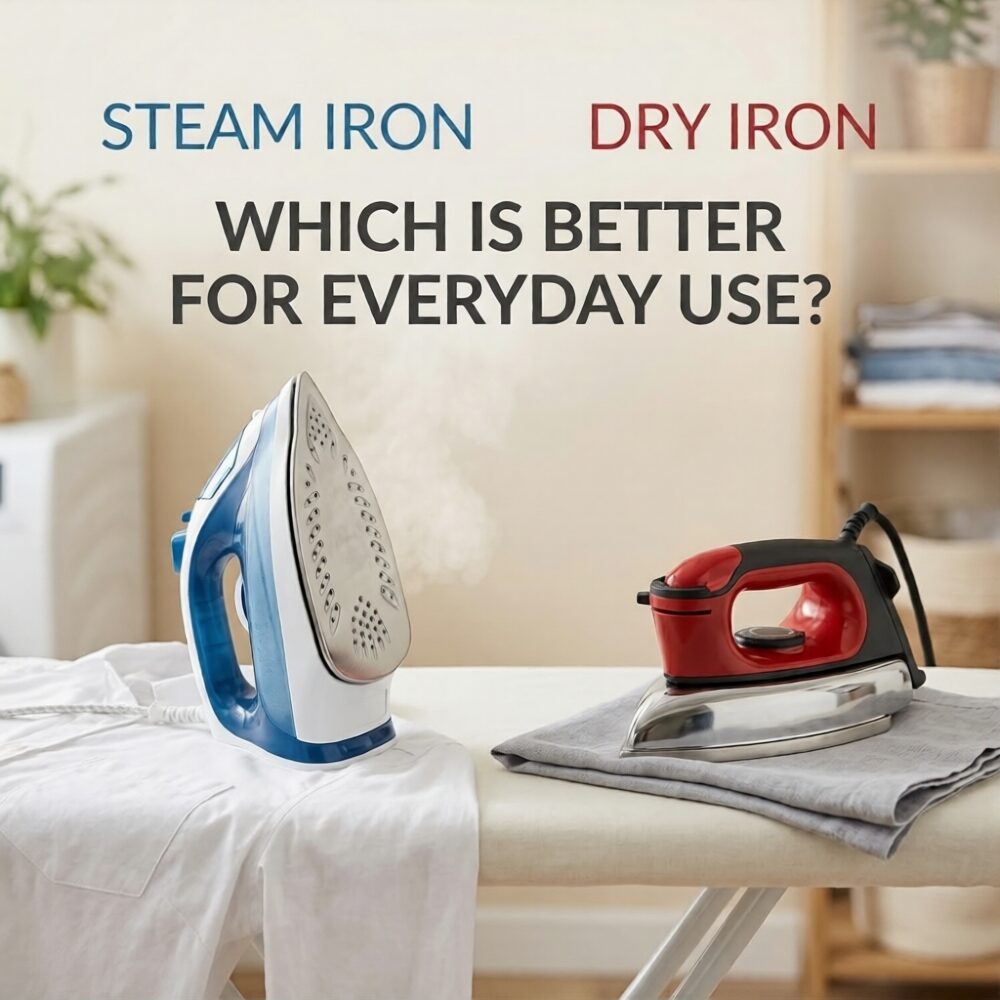
Dry Irons
Simple design, lightweight, and affordable.
Ideal for delicate fabrics.
Consume less electricity.
Steam Irons
Equipped with water tanks for steam release.
Effective for stubborn wrinkles.
Require slightly more power but deliver faster results.
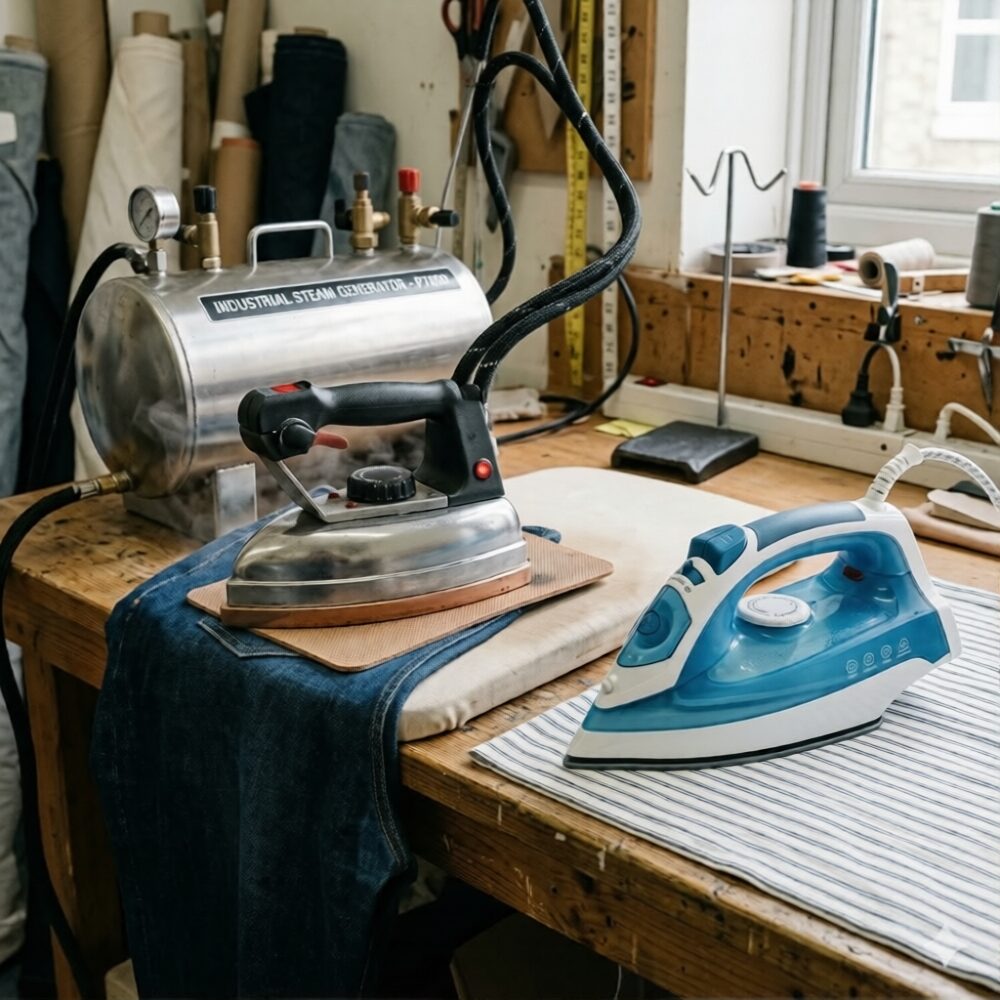
Heavy-Duty Irons
Designed for bulk ironing.
Suitable for large families.
Often higher wattage but efficient in performance.
Best Pressing Iron for Low Electricity Nigeria: Recommended Brands
Philips Dry Iron
Known for durability and efficiency.
Performs well under low voltage.
Affordable and widely available.
Binatone Steam Iron
Popular in Nigerian households.
Effective wrinkle removal with minimal electricity.
Compact design with safety features.
Kenwood Heavy-Duty Iron
High performance for bulk ironing.
Works efficiently even with fluctuating power.
Long-lasting build quality.
Panasonic Dry Iron
Lightweight and easy to use.
Consumes less electricity.
Reliable for everyday use.
Comparison Table
Feature
Dry Iron
Steam Iron
Heavy-Duty Iron
Electricity Use
Low
Moderate
Moderate to High
Wrinkle Removal
Moderate
Excellent
Excellent
Fabric Compatibility
Delicate fabrics
Thick fabrics
All fabrics
Price in Nigeria
Affordable
Mid-range
Higher
Durability
High
Moderate
Very High
Practical Tips for Nigerian Families
For Office Wear: Steam irons provide a polished look with less effort.
For Traditional Attire: Dry irons are gentler on delicate embroidery and lace.
For Students and Singles: Compact dry irons are affordable and easy to carry.
For Large Families: Heavy-duty irons save time when ironing bulk laundry.
Risks and Trade-offs
Steam irons may leak water if not maintained properly.
Dry irons require more effort to remove stubborn wrinkles.
Heavy-duty irons consume more electricity but deliver faster results.
Counterfeit irons are common in Nigerian markets—families should buy from trusted retailers.
In the debate of best pressing iron for low electricity Nigeria, the choice depends on household needs. Dry irons win on affordability and low electricity use, steam irons excel in wrinkle removal, andheavy-duty irons provide efficiency for large families. Nigerian households should consider fabric types, budget, and electricity supply when making their decision.








 Get it on
  Download on the