Chlorine Tablets vs Granules: Which Is Better for Water Treatment in Lagos?

Chlorine Tablets vs Granules: Which Is Better for Water Treatment in Lagos?

Clean water is not a luxury, it is a necessity. In a city like Lagos, where many homes and businesses rely on boreholes, wells, and storage tanks, proper water treatment is essential to ensure safety and hygiene.

One of the most common and effective methods of water disinfection is the use of chlorine. However, chlorine comes in different forms, with the most popular being tablets and granules.

At Cleaneat, we often get asked: Which one is better; chlorine tablets or granules?

We’ll break down the differences, benefits, and best use cases to help you choose the right option for your needs.

Why Chlorine Is Essential for Water Treatment

Chlorine is widely used because of its ability to kill harmful microorganisms in water.

It helps eliminate:

  • Bacteria
  • Viruses
  • Algae
  • Parasites

Without proper disinfection, water can become unsafe for drinking, bathing, or pool use.

In Lagos, where water quality can vary significantly, chlorine plays a vital role in maintaining safe water systems.

What Are Chlorine Tablets?

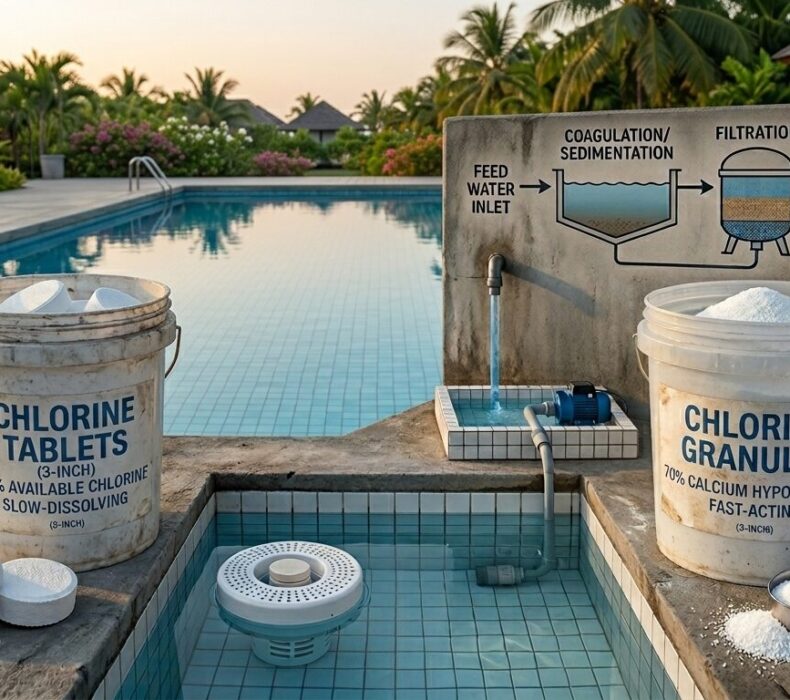
Chlorine tablets are compressed, solid forms of chlorine that dissolve slowly in water.

Key Features:

  • Slow-release formula
  • Easy to handle and store
  • Long-lasting effect
  • Consistent chlorine levels

Common Uses:

  • Swimming pools
  • Water storage tanks
  • Borehole water treatment

Chlorine tablets are popular because they require less frequent application.

What Are Chlorine Granules?

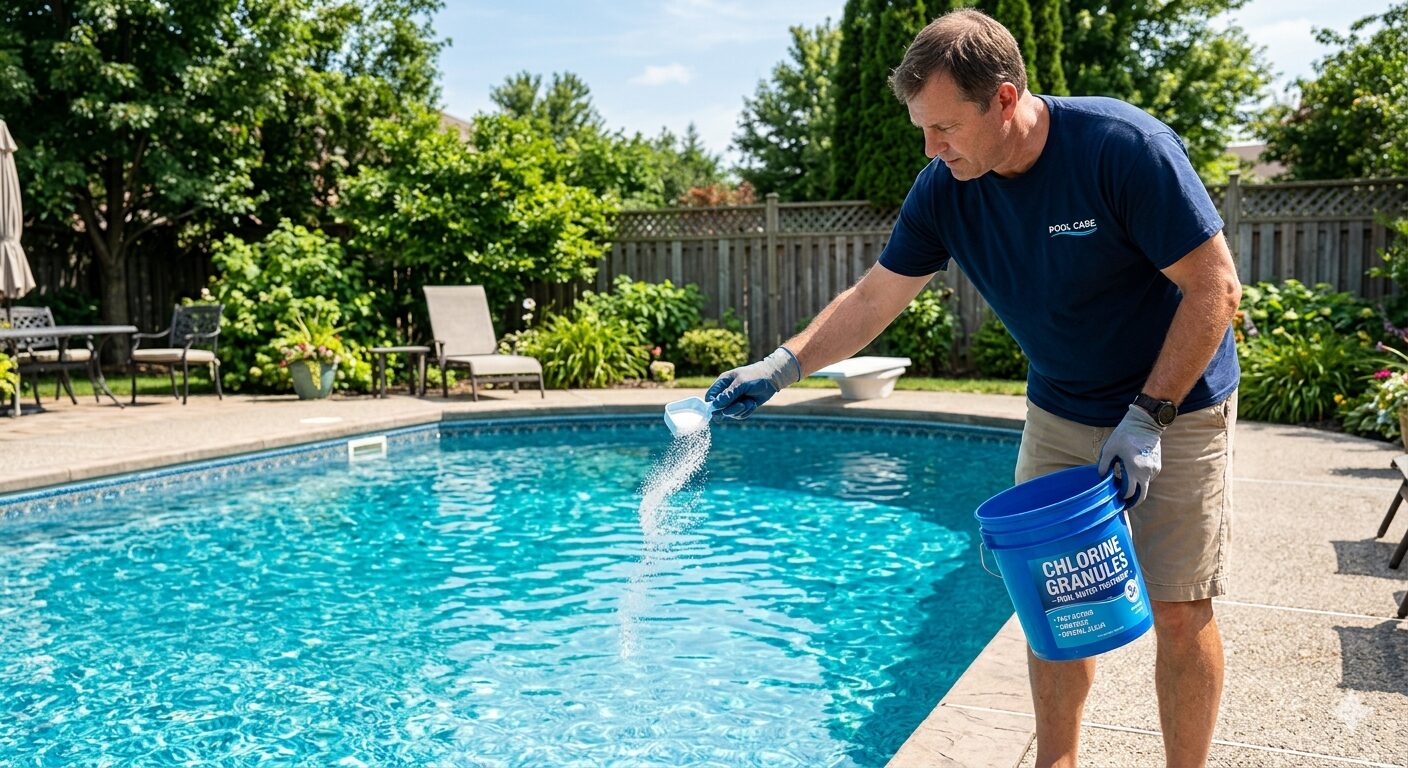
Chlorine granules are loose, powder-like substances that dissolve quickly in water.

Key Features:

  • Fast-dissolving
  • Quick action
  • Flexible dosing
  • Easy to mix

Common Uses:

  • Shock treatment for pools
  • Emergency water disinfection
  • Quick sanitation needs

Granules are ideal when immediate results are required.

Key Differences

Understanding chlorine tablets vs granules Lagos is essential for making the right choice.

1. Dissolution Speed

  • Tablets: Dissolve slowly over time
  • Granules: Dissolve quickly

If you need instant treatment, granules are the better option. For long-term maintenance, tablets are more suitable.

2. Ease of Use

  • Tablets: Simple, just drop into a dispenser or tank
  • Granules: Require measuring and mixing

Tablets are more convenient for everyday use, especially for beginners.

3. Control Over Dosage

  • Tablets: Fixed dosage
  • Granules: Flexible and adjustable

Granules allow more precise control, which is useful for professional applications.

4. Maintenance Frequency

  • Tablets: Last longer, require less frequent application
  • Granules: Need to be applied more often

For busy homeowners or facility managers, tablets are more practical.

5. Application Type

  • Tablets: Best for continuous disinfection
  • Granules: Best for shock treatment

Each form serves a different purpose in water treatment.

Which One Should You Choose?

Choosing between chlorine tablets vs granules Lagos depends on your specific needs.

Choose Chlorine Tablets If:

  • You want long-lasting treatment
  • You prefer low-maintenance solutions
  • You are treating water storage systems
  • You want consistent chlorine levels

Choose Chlorine Granules If:

  • You need fast results
  • You are dealing with contaminated water
  • You want to shock-treat a pool
  • You require flexible dosing

Best Option: Use Both Together

In many cases, the best approach is to use both:

  • Use granules for initial treatment
  • Use tablets for ongoing maintenance

This combination ensures effective and consistent water treatment.

Benefits of Chlorine Tablets

1. Long-Lasting Protection

They dissolve slowly, providing continuous disinfection.

2. Easy to Use

No mixing required, just place them in water.

3. Cost-Effective

Fewer applications reduce long-term costs.

4. Ideal for Regular Maintenance

Perfect for keeping water consistently clean.

Benefits of Chlorine Granules

1. Fast Action

They work quickly to disinfect water.

2. Flexible Dosing

You can adjust the amount based on need.

3. Powerful Treatment

Effective for heavily contaminated water.

4. Great for Emergency Use

Ideal when immediate sanitation is required.

Common Mistakes to Avoid

Even with the right product, improper use can reduce effectiveness.

1. Overdosing

Too much chlorine can cause irritation and damage equipment.

2. Underdosing

Too little chlorine will not effectively disinfect water.

3. Mixing Incorrectly

Granules should be properly dissolved before use.

4. Poor Storage

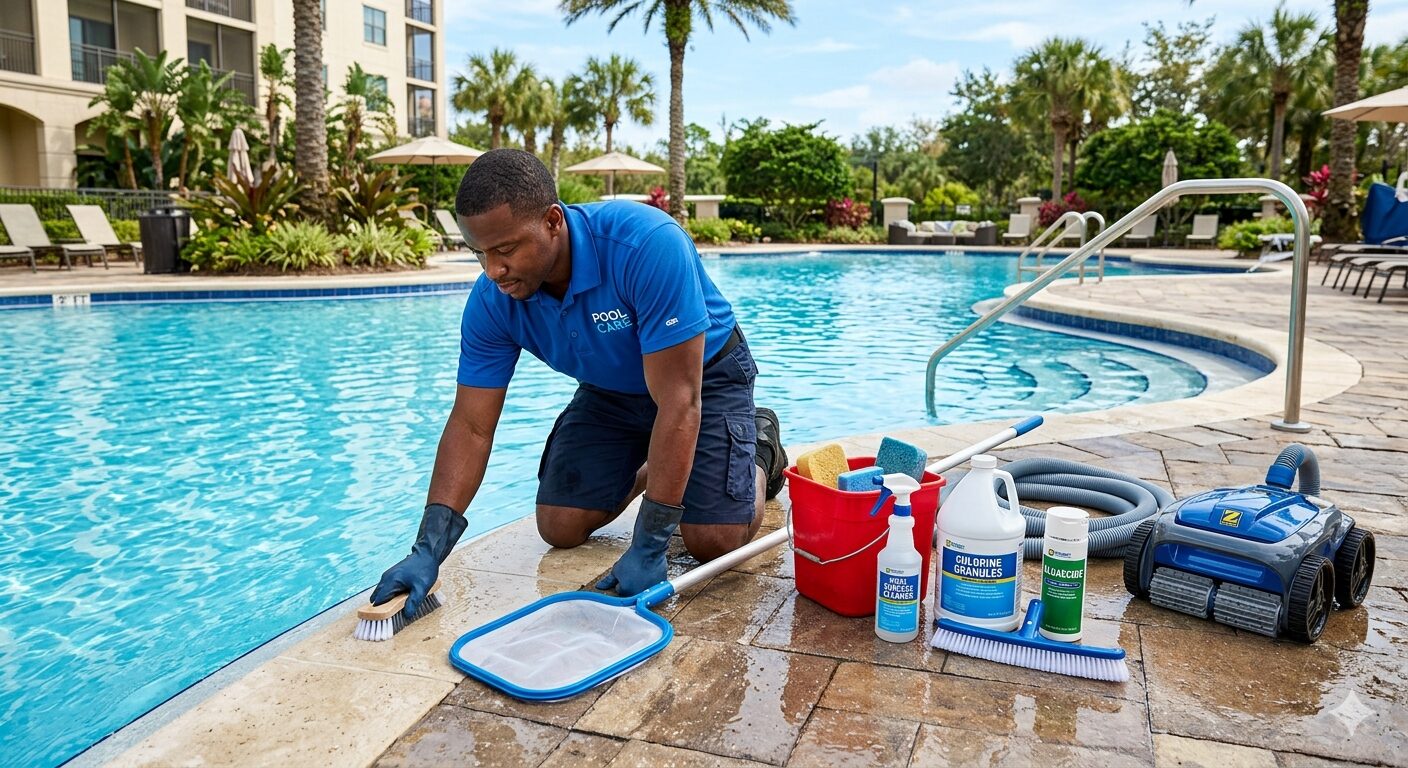
Keep chlorine products in a cool, dry place.

At Cleaneat, we provide guidance to ensure safe and effective use.

Safety Tips When Using Chlorine

  • Always wear gloves when handling
  • Avoid direct contact with skin
  • Store away from children
  • Do not mix with other chemicals
  • Follow recommended dosage instructions

Safety is just as important as effectiveness.

Why Water Treatment Matters in Lagos

Lagos faces unique water challenges, including:

  • Contaminated groundwater
  • Poor sanitation systems
  • High population density

Proper water treatment ensures:

  • Safe drinking water
  • Healthy living conditions
  • Protection from waterborne diseases

Using the right chlorine product is a key part of this process.

Why Choose Cleaneat?

At Cleaneat, we provide reliable water treatment solutions tailored to your needs.

What We Offer:

  • High-quality chlorine tablets and granules
  • Expert consultation
  • Water treatment solutions for homes and businesses
  • Professional support and guidance

We help you choose the right products and use them effectively.

Conclusion

When comparing chlorine tablets vs granules Lagos, there is no one-size-fits-all answer.

Both options are effective, but they serve different purposes.

  • Tablets are best for long-term maintenance
  • Granules are best for quick and powerful treatment

Understanding your needs will help you choose the right solution.

For the best results, we recommend using both as part of a complete water treatment plan.

Clean water starts with the right choice.