






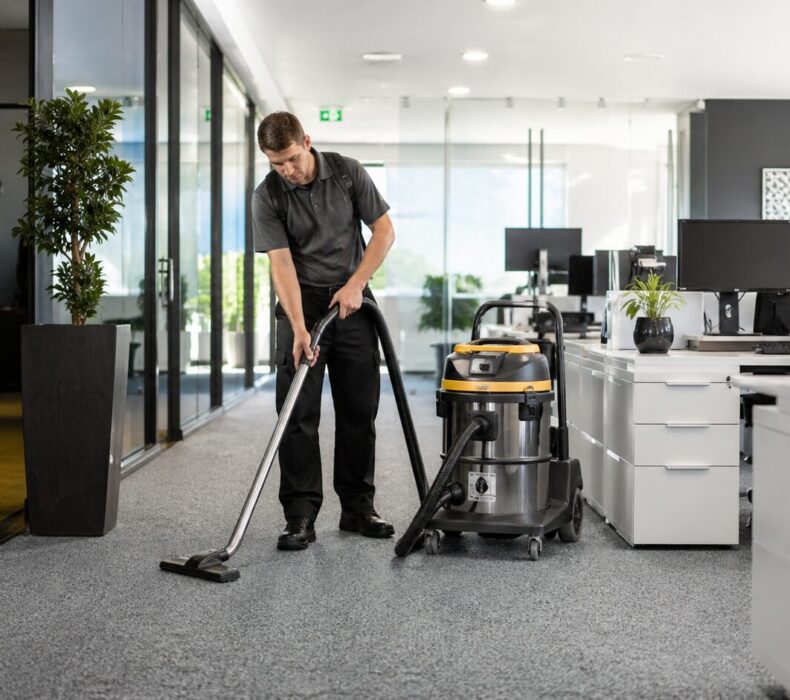
Introduction
Choosing a vacuum cleaner for your business is not as simple as picking the cheapest option.
Commercial environments are very different from homes. They require stronger machines, longer usage time, and better durability.
If you choose the wrong vacuum cleaner, you may face:
- Poor cleaning results
- Frequent breakdowns
- High maintenance costs
On the other hand, the right machine will:
- Save time
- Improve efficiency
- Reduce labor costs
So, how do you make the right choice?
In this guide, you’ll learn everything you need to know about selecting the best vacuum cleaner for commercial use.
🧠 Why Commercial Vacuum Cleaners Are Different
First, let’s understand the difference.
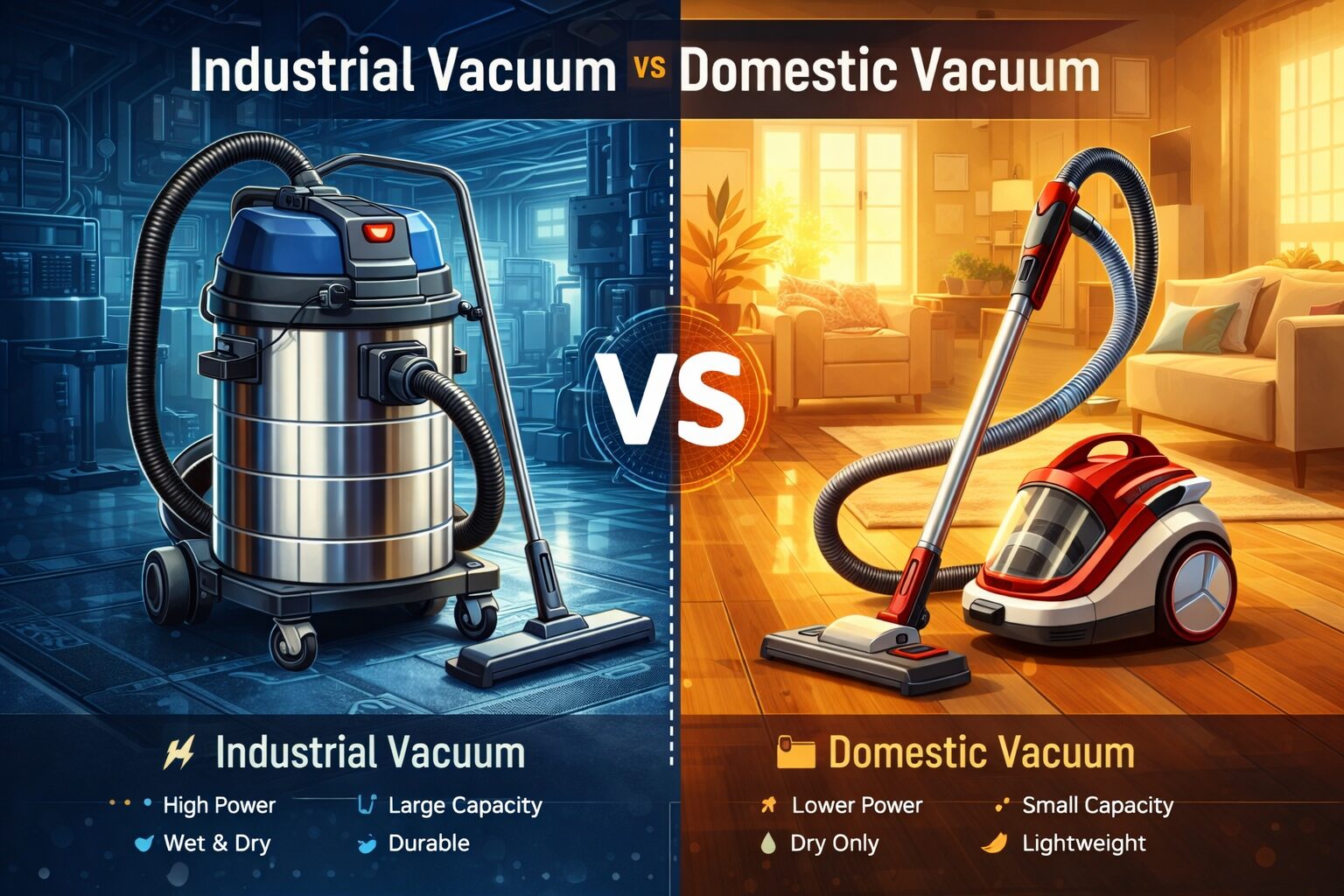
A home vacuum is designed for light use.
A commercial vacuum is built for heavy-duty cleaning.
Commercial machines offer:
- Stronger suction power
- Larger capacity
- Better durability
- Longer working hours
👉 This makes them ideal for offices, hotels, warehouses, and cleaning companies.
🏢 Step 1: Understand Your Cleaning Environment
Before buying, ask yourself:
Where will you use the vacuum cleaner?
Examples:
Offices
- Light dust and debris
- Carpet and tiles
Hotels
- Carpets and upholstery
- Frequent cleaning
Warehouses
- Heavy dirt and particles
- Large spaces
Hospitals
- Hygiene-sensitive areas
- Need for strong filtration
👉 Your environment determines the type of vacuum you need.
⚙️ Step 2: Choose the Right Type of Vacuum Cleaner
There are different types of commercial vacuum cleaners.
🧽 1. Dry Vacuum Cleaner
Best for:
- Offices
- Hotels
- Light cleaning
Features:
- Removes dust and dirt
- Simple to use
👉 Ideal for everyday cleaning.
💧 2. Wet and Dry Vacuum Cleaner
Best for:
- Industrial spaces
- Restaurants
- Warehouses
Features:
- Cleans liquid and solid waste
- Strong suction
👉 A versatile option for businesses.
🧳 3. Backpack Vacuum Cleaner
Best for:
- Large areas
- Tight spaces
Features:
- Portable
- Easy to move
👉 Great for speed and efficiency.
🏭 4. Industrial Vacuum Cleaner
Best for:
- Factories
- Construction sites
Features:
- Heavy-duty performance
- Handles large debris
👉 Built for tough environments.
⚡ Step 3: Check Key Features
Not all machines are equal.
Look for these features:
🔋 1. Power and Suction
Higher power means better cleaning.
👉 Choose a machine that can handle your workload.
🪣 2. Tank Capacity
Large tanks mean fewer interruptions.
👉 Ideal for big spaces.
🔇 3. Noise Level
Some environments need quiet operation.
👉 Important for offices and hospitals.
🔌 4. Power Source
- Corded → continuous power
- Battery → more flexibility
👉 Choose based on your space.
🧼 5. Filtration System
A good filter improves air quality.
👉 HEPA filters are best for sensitive environments.
💰 Step 4: Consider Your Budget
Budget is important, but do not focus on price alone.
Cheap machines:
- Lower cost
- Short lifespan
Quality machines:
- Higher cost
- Long-term savings
👉 Always think long-term.
🧠 Step 5: Evaluate Durability
Commercial use requires strong equipment.
Check:
- Build quality
- Brand reputation
- Warranty
👉 Durable machines save money over time.
🏢 Real-World Insight
Professional companies make smart choices.
For example:
Cleaneat Integrated Services selects vacuum cleaners based on:
- Job type
- Frequency of use
- Efficiency
Also, NeatSpace Cleaning Company uses different vacuum types for different tasks.
Suppliers like Neatstore help businesses choose reliable equipment that fits their needs.
👉 This is why professionals get better results.
📊 Step 6: Compare Cost vs Performance
Here is a simple way to decide:
| Factor | Cheap Vacuum | Quality Vacuum |
|---|---|---|
| Price | Low | High |
| Performance | Average | High |
| Durability | Low | High |
| Maintenance | High | Low |
👉 The better option is usually the one with higher long-term value.
⚠️ Common Mistakes to Avoid
Avoid these mistakes:
- Buying based on price only
- Choosing the wrong type
- Ignoring specifications
- Skipping product testing
- Buying from unreliable vendors
👉 These mistakes can cost you money.
🔐 Step 7: Check After-Sales Support
Support is very important.
Make sure your supplier offers:
- Spare parts
- Maintenance services
- Technical support
👉 This reduces downtime.
🧾 Step 8: Test Before You Buy
Always request a demo.
This helps you:
- Confirm performance
- Check ease of use
- Avoid surprises
👉 Never skip this step.
🚀 Conclusion
Choosing the right vacuum cleaner for commercial use is a smart investment.
If you choose well, you will:
- Save time
- Improve cleaning quality
- Reduce costs
If you choose poorly, you will:
- Waste money
- Struggle with performance
- Face constant repairs
👉 The key is simple:
- Understand your needs
- Choose the right type
- Focus on quality
- Work with trusted suppliers
Related Posts:




 Get it on
  Download on the