Cheap vs Quality Cleaning Products: Which Saves More?

Cheap vs Quality Cleaning Products: Which Saves More?

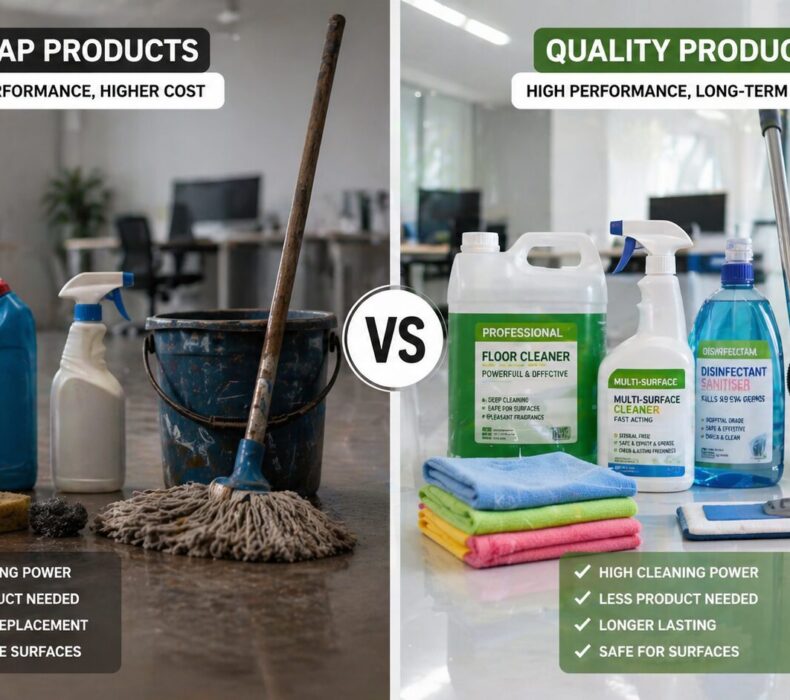
🧽 Cheap vs Quality Cleaning Products: What Actually Saves You Money?

Introduction

Every business—whether a startup, corporate office, hotel, or cleaning company—faces the same question when purchasing cleaning supplies:

Should you go for cheap cleaning products or invest in higher-quality options?

At first glance, cheap products seem like the smarter choice. They cost less upfront, are widely available, and appear to get the job done. However, many businesses quickly discover that cheaper isn’t always better.

In reality, the true cost of cleaning products goes far beyond the price tag. It includes:

  • Performance
  • Durability
  • Efficiency
  • Replacement frequency
  • Impact on surfaces and equipment

In this guide, we break down the cheap vs quality cleaning products debate, helping you understand what actually saves money in the long run—especially in a competitive market like Lagos.


🧠 Understanding the Real Cost of Cleaning Products

Before comparing cheap and premium products, it’s important to understand total cost of ownership.

Total cost includes:

  • Purchase price
  • Usage frequency
  • Replacement rate
  • Efficiency level
  • Maintenance impact

👉 A product that costs less upfront may cost more over time.


💸 1. The Appeal of Cheap Cleaning Products

Cheap cleaning products are attractive, especially for startups and small businesses.

Why businesses choose them:

  • Low upfront cost
  • Easy availability
  • Suitable for tight budgets

Examples:

  • Low-cost detergents
  • Generic cleaning chemicals
  • Basic low-grade tools

👉 They seem like a quick way to reduce expenses.


⚠️ Hidden Costs of Cheap Cleaning Products

While cheap products save money initially, they often come with hidden costs.

Common issues:

1. Low Efficiency

Cheap products often require more quantity to achieve the same result.

2. Frequent Replacement

Low-quality tools wear out quickly.

3. Poor Cleaning Results

Surfaces may remain dirty, leading to repeat cleaning.

4. Surface Damage

Harsh or unregulated chemicals can damage floors, furniture, and equipment.

👉 These hidden costs add up over time.


💎 2. Benefits of Quality Cleaning Products

High-quality cleaning products are designed for performance and durability.

Advantages:

  • Better cleaning efficiency
  • Longer lifespan
  • Reduced usage quantity
  • Consistent results

👉 Quality products often deliver better value despite higher upfront cost.


📊 Cost Comparison: Cheap vs Quality Products

Example Scenario:

Cheap Product:

  • Cost: ₦2,000
  • Lasts: 1 week
  • Monthly cost: ₦8,000

Quality Product:

  • Cost: ₦6,000
  • Lasts: 1 month
  • Monthly cost: ₦6,000

👉 The “expensive” product actually saves money.


⚙️ 3. Efficiency and Time Savings

Time is money—especially for businesses.

Cheap products:

  • Require more effort
  • Take longer to clean
  • Need repeated application

Quality products:

  • Work faster
  • Deliver better results
  • Reduce labor time

👉 This directly impacts productivity.


🧽 4. Impact on Cleaning Equipment

Low-quality chemicals can damage equipment.

Risks include:

  • Corrosion
  • Reduced machine lifespan
  • Increased maintenance costs

Quality products:

  • Compatible with machines
  • Extend equipment lifespan

👉 Protecting equipment saves money long-term.


🏢 5. Business Image and Customer Perception

Cleaning quality affects brand reputation.

Cheap products may lead to:

  • Streaky surfaces
  • Lingering dirt
  • Poor hygiene

Quality products ensure:

  • Spotless finish
  • Fresh environment
  • Professional appearance

👉 Clean spaces attract and retain customers.


💼 6. Labor Cost Implications

Cheap products often increase labor costs.

Why?

  • More time required
  • More effort needed
  • Re-cleaning tasks

👉 Quality products reduce labor hours and costs.


🧪 7. Chemical Concentration and Usage

High-quality cleaning chemicals are often concentrated.

Benefits:

  • Smaller quantities needed
  • Longer-lasting supply
  • Better performance

👉 This reduces overall consumption.


🌍 8. Environmental and Health Considerations

Cheap products may contain harmful chemicals.

Risks:

  • Health hazards
  • Environmental damage
  • Regulatory issues

Quality products:

  • Safer formulations
  • Eco-friendly options
  • Better compliance

👉 Sustainability also impacts long-term cost.


🧠 9. Long-Term Value vs Short-Term Savings

Cheap products:

  • Short-term savings
  • Long-term expenses

Quality products:

  • Higher upfront cost
  • Long-term savings

👉 Businesses should focus on value, not just price.


🏢 Real-World Insight

Companies like Cleaneat Integrated Services prioritize quality products to maintain:

  • High cleaning standards
  • Equipment durability
  • Customer satisfaction

Suppliers like Neatstore provide access to reliable, professional-grade cleaning supplies that deliver long-term value.

👉 This reflects industry best practices.


📉 10. When Cheap Products Might Be Acceptable

Cheap products can work in limited situations:

  • Low-traffic areas
  • Temporary cleaning needs
  • Non-critical surfaces

👉 However, they should not be relied on for core operations.


📈 11. Smart Buying Strategy for Businesses

To balance cost and quality:

Tips:

  • Invest in high-use products
  • Test products before bulk purchase
  • Compare cost per use, not price
  • Buy from trusted vendors
  • Train staff on proper usage

👉 Smart purchasing maximizes ROI.


⚠️ Common Mistakes to Avoid

  • Choosing price over performance
  • Ignoring product specifications
  • Buying from unreliable suppliers
  • Not considering long-term costs

👉 These mistakes can increase expenses.


🧾 Conclusion

So, what actually saves you money—cheap or quality cleaning products?

👉 The answer is clear: Quality products provide better long-term value.

While cheap products may reduce initial expenses, they often lead to:

  • Higher replacement costs
  • Increased labor
  • Poor cleaning results
  • Equipment damage

On the other hand, quality products deliver:

  • Efficiency
  • Durability
  • Better performance
  • Long-term savings

👉 For businesses aiming to grow and maintain high standards, investing in quality cleaning products is the smarter financial decision.


🔗 Backlink Strategy (SEO GROWTH PLAN)