Steam Cleaners vs Chemical Cleaners: Which Is Safer and More Effective?
When it comes to keeping your home spotless and hygienic, one question keeps coming up: steam cleaners vs chemical cleaners—which is safer and more effective?
With growing awareness around health, safety, and environmental impact, homeowners are now more careful about the cleaning methods they choose. Some prefer the power of chemical cleaners for tough stains, while others are switching to steam cleaning for a more eco-friendly approach.
But which one actually works better?
In this in-depth guide, we’ll break down:
How steam cleaners work
How chemical cleaners work
Safety comparisons
Effectiveness for different cleaning tasks
Cost and long-term value
Which option is best for your home
What Are Steam Cleaners?
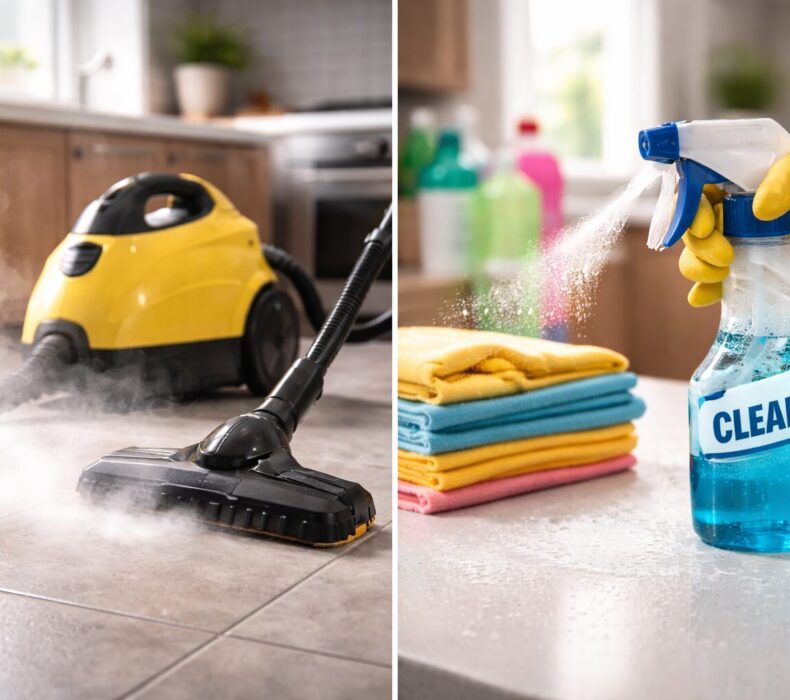
Steam cleaners use high-temperature steam to clean, sanitize, and disinfect surfaces.
Instead of relying on chemicals, they heat water to produce steam that:
Breaks down dirt and grease
Kills bacteria and germs
Removes stains from surfaces
How Steam Cleaning Works
Steam cleaners typically heat water to temperatures above 100°C (212°F), producing pressurized steam that penetrates surfaces and loosens dirt.
This makes them highly effective for:
Floors
Tiles and grout
Upholstery
Kitchen surfaces
What Are Chemical Cleaners?
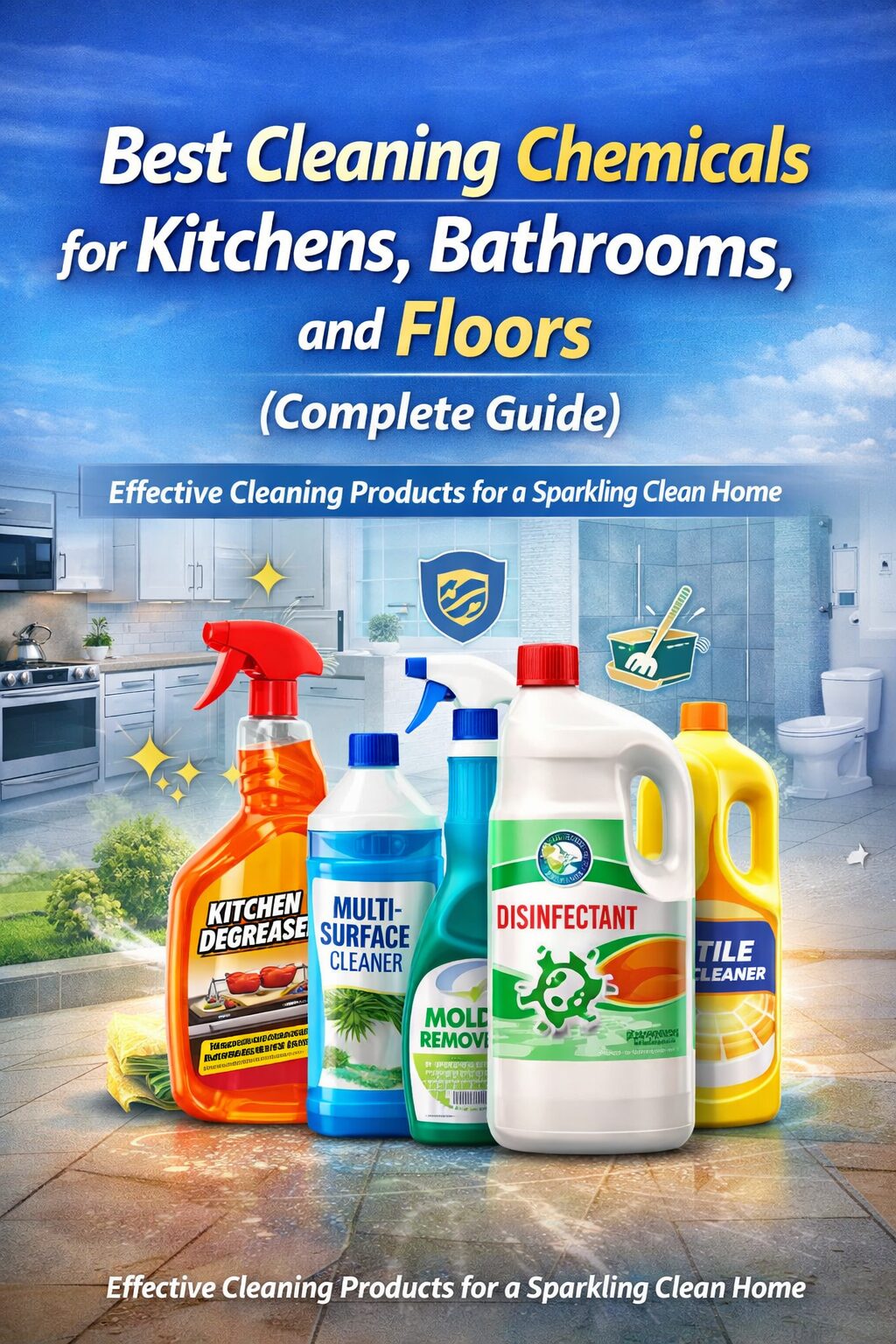
Chemical cleaners use formulated substances to dissolve dirt, kill bacteria, and remove stains.
These include:
Disinfectants
Degreasers
Bleach-based cleaners
Multi-surface sprays
How Chemical Cleaning Works
Chemical cleaners rely on active ingredients such as:
Alcohol
Chlorine
Ammonia
These substances break down grime and eliminate microbes quickly.
Steam Cleaners vs Chemical Cleaners: Key Differences
Let’s compare both cleaning methods side by side.
1. Cleaning Power
Steam Cleaners:
Excellent for grease and grime
Penetrates deep into surfaces
Effective on porous materials
Chemical Cleaners:
Strong on stains and bacteria
Instant visible results
Better for heavily soiled areas
👉 Winner: Chemical cleaners for heavy-duty cleaning, steam cleaners for deep cleaning.
2. Safety
This is where the debate becomes critical.
Steam Cleaners:
No harmful chemicals
Safe for children and pets
Reduces exposure to toxins
Chemical Cleaners:
Can contain harsh substances
May cause skin or respiratory irritation
Requires careful handling
👉 Winner: Steam cleaners (safer overall)
3. Effectiveness Against Germs
Steam Cleaners:
High heat kills many bacteria and viruses
No residue left behind
Chemical Cleaners:
Designed to disinfect specific pathogens
Often more reliable for sanitization
👉 Winner: Chemical cleaners (for targeted disinfection)
4. Environmental Impact
Steam Cleaners:
Uses only water
Eco-friendly
No chemical waste
Chemical Cleaners:
Can pollute water systems
Generates plastic waste
May contain toxic ingredients
👉 Winner: Steam cleaners
5. Cost Comparison
Steam Cleaners:
Higher upfront cost
Long-term savings (no cleaning products needed)
Chemical Cleaners:
Lower initial cost
Ongoing expense for supplies
👉 Winner: Depends on long-term use
When to Use Steam Cleaners
Steam cleaning is ideal for:
Homes with children or pets
Allergy-sensitive environments
Eco-conscious households
Deep cleaning tasks
Best Uses:
Tile and grout
Upholstery
Mattresses
Bathroom surfaces
When to Use Chemical Cleaners
Chemical cleaners are best for:
Heavy stains
Disinfection needs
Mold and mildew removal
Quick cleaning tasks
Best Uses:
Kitchen grease
Bathroom disinfecting
Garbage areas
Are Steam Cleaners Safe?
One of the most searched questions is: are steam cleaners safe?
The answer is yes—with proper use.
Safety Tips:
Avoid direct contact with steam
Use appropriate attachments
Follow manufacturer guidelines
Steam cleaning eliminates exposure to toxic chemicals, making it one of the safest cleaning methods available.
Are Chemical Cleaners Safe?
Chemical cleaners can be safe—but only when used correctly.
Risks Include:
Skin irritation
Breathing issues
Accidental ingestion
Safety Tips:
Use gloves
Ensure ventilation
Store safely away from children
Which Cleaning Method Is More Effective Overall?
So, in the debate of steam cleaners vs chemical cleaners, which wins?
Choose Steam Cleaners If You Want:
Eco-friendly cleaning
Chemical-free sanitation
Safe cleaning for families
Choose Chemical Cleaners If You Want:
Fast results
Strong disinfecting power
Targeted cleaning solutions
👉 Best Strategy: Use both methods together for optimal results.









 Get it on
  Download on the