





Introduction
In today’s fast-paced and highly competitive business environment, hygiene is no longer just a routine maintenance task—it has become a strategic priority.
Across industries—from corporate offices and retail stores to hotels, hospitals, and industrial facilities—businesses are placing greater emphasis on cleanliness and sanitation than ever before.
This shift is driven by several factors, including increased health awareness, customer expectations, regulatory standards, and the long-term impact of global health crises.
The reality is simple:
A clean business environment is no longer optional—it is essential.
In this article, we explore why hygiene in businesses is becoming a top priority, the key drivers behind this trend, and how organizations can maintain high sanitation standards.
🦠 1. Increased Health Awareness
One of the biggest reasons hygiene has become a priority is the growing awareness of health and safety.
Key factors:
- Global health crises (e.g., pandemics)
- Increased knowledge of germs and infections
- Workplace safety concerns
Businesses now understand that poor hygiene can lead to:
- Illness outbreaks
- Reduced productivity
- Increased absenteeism
👉 Maintaining hygiene protects both employees and customers.
🏢 2. Impact on Employee Productivity
A clean workplace directly affects employee performance.
Benefits of good hygiene:
- Fewer sick days
- Improved concentration
- Higher morale
- Better overall well-being
Dirty or cluttered environments can lead to discomfort and distraction.
👉 Clean workplaces create healthier and more productive teams.
🧾 3. Business Reputation and Brand Image
First impressions matter.
When clients visit a business, cleanliness is one of the first things they notice.
A clean environment signals:
- Professionalism
- Attention to detail
- Reliability
A dirty environment suggests:
- Negligence
- Poor management
- Lack of care
👉 Hygiene plays a major role in shaping brand perception.
🏨 4. Customer Expectations Are Higher
Modern customers expect clean and safe environments.
Especially in industries like:
- Hospitality
- Healthcare
- Retail
- Food services
Customers are more likely to:
- Trust clean businesses
- Return for repeat visits
- Leave positive reviews
👉 Hygiene directly influences customer satisfaction and loyalty.
⚖️ 5. Compliance With Health Regulations
Governments and regulatory bodies enforce hygiene standards.
Businesses must comply with:
- Workplace safety regulations
- Sanitation guidelines
- Industry-specific hygiene standards
Failure to comply can result in:
- Fines
- Legal issues
- Business closure
👉 Maintaining hygiene ensures compliance and avoids penalties.
🧠 6. Reduction of Workplace Illness
Poor hygiene leads to the spread of bacteria and viruses.
Common issues:
- Shared surfaces (desks, door handles)
- Poor ventilation
- Unclean restrooms
👉 Regular cleaning and disinfection reduce health risks significantly.
💼 7. Competitive Advantage
In a crowded market, businesses look for ways to stand out.
Cleanliness is a powerful differentiator.
Benefits:
- Attracts more customers
- Builds trust
- Enhances brand reputation
👉 Businesses that prioritize hygiene gain a competitive edge.
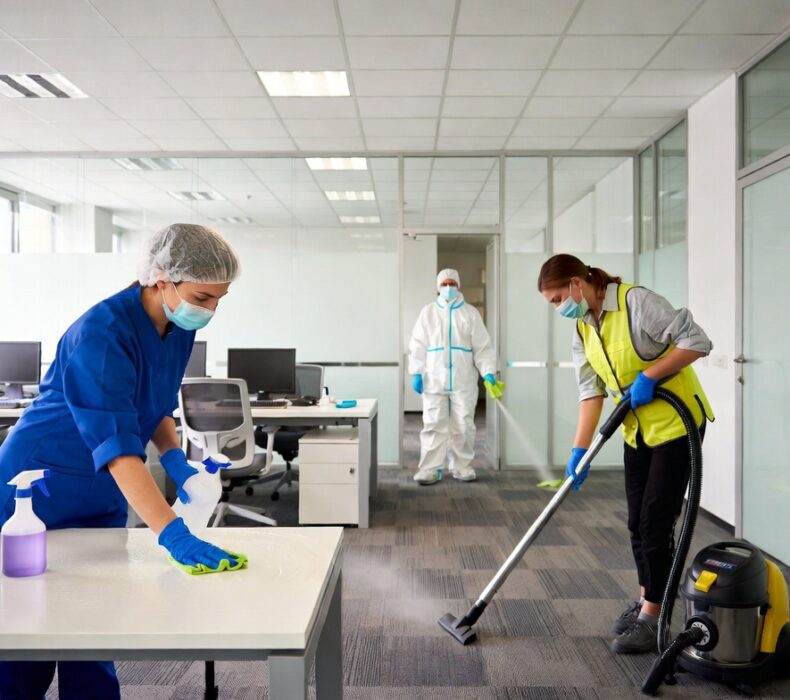
⚙️ 8. Adoption of Professional Cleaning Services
Many businesses now outsource cleaning to professionals.
Advantages:
- Expertise and experience
- Use of advanced equipment
- Consistent cleaning standards
👉 Professional cleaning services ensure high-quality results.
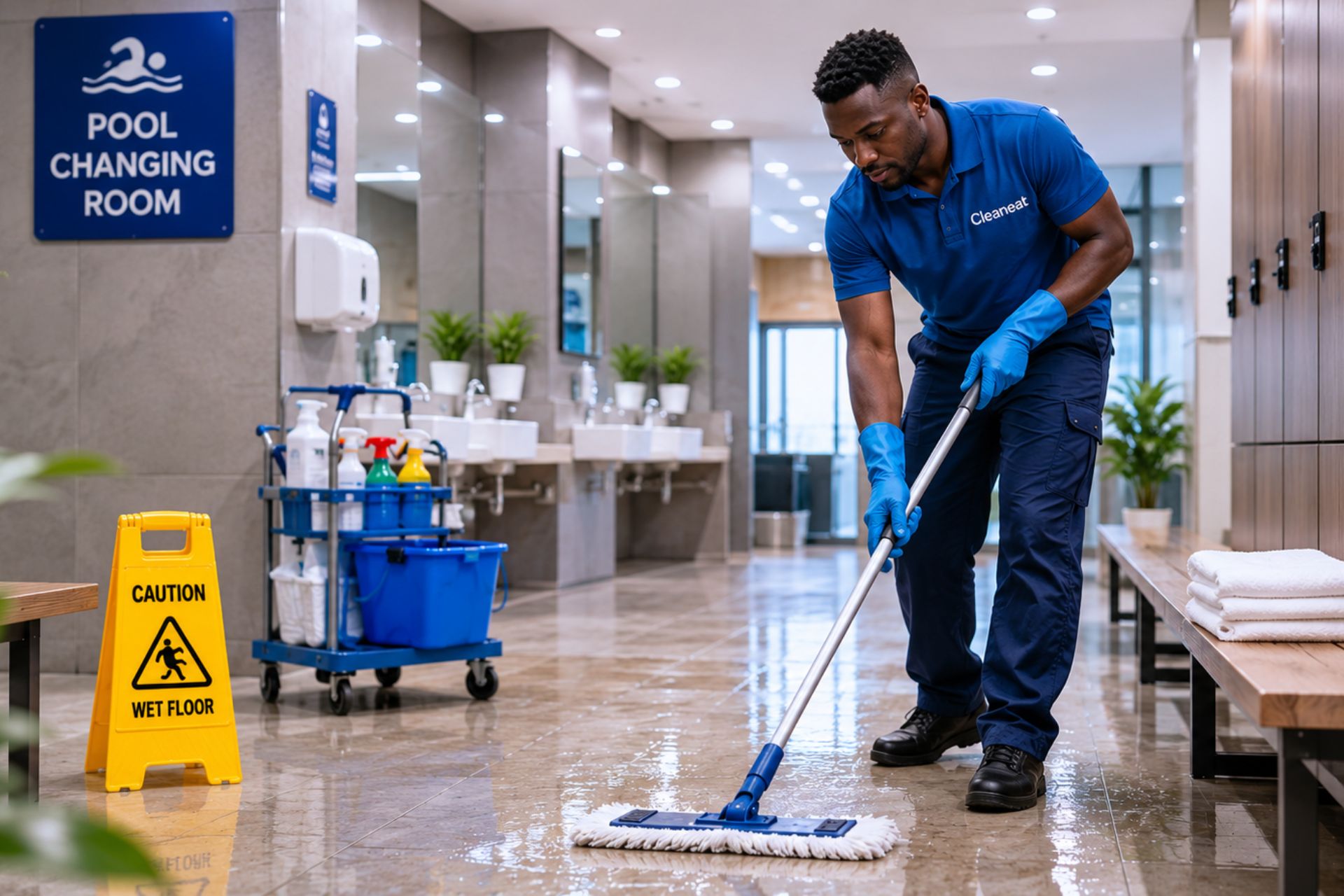
Companies like Cleaneat Integrated Services demonstrate how structured cleaning solutions help businesses maintain hygiene consistently.
🧽 9. Use of Advanced Cleaning Equipment
Modern cleaning tools improve hygiene standards.
Examples:
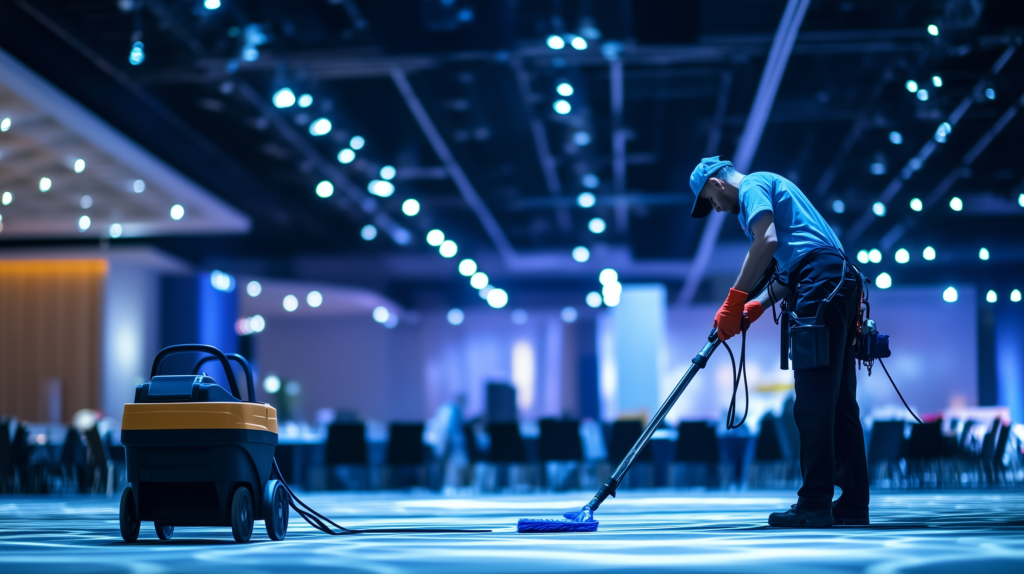
- Industrial vacuum cleaners
- Floor scrubbers
- Steam cleaning machines
👉 These tools deliver deeper and more efficient cleaning compared to manual methods.
🌍 10. Environmental and Sustainability Concerns
Businesses are also focusing on eco-friendly hygiene practices.
This includes:
- Non-toxic cleaning products
- Reduced chemical usage
- Sustainable waste management
👉 Eco-conscious hygiene improves brand reputation and environmental impact.
📊 11. Cost Savings in the Long Run
Maintaining hygiene can actually reduce costs.
How:
- Prevents equipment damage
- Reduces health-related expenses
- Lowers maintenance costs
👉 Clean environments are more cost-efficient over time.
🏭 12. Industry-Specific Hygiene Needs
Different industries have unique hygiene requirements.
Examples:
Offices:
- Dust control
- Surface cleaning
Hotels:
- Room sanitation
- Laundry hygiene
Hospitals:
- Infection control
- Sterilization
👉 Tailored hygiene strategies are essential.
📱 13. Role of Technology in Hygiene
Technology is improving cleaning processes.
Innovations include:
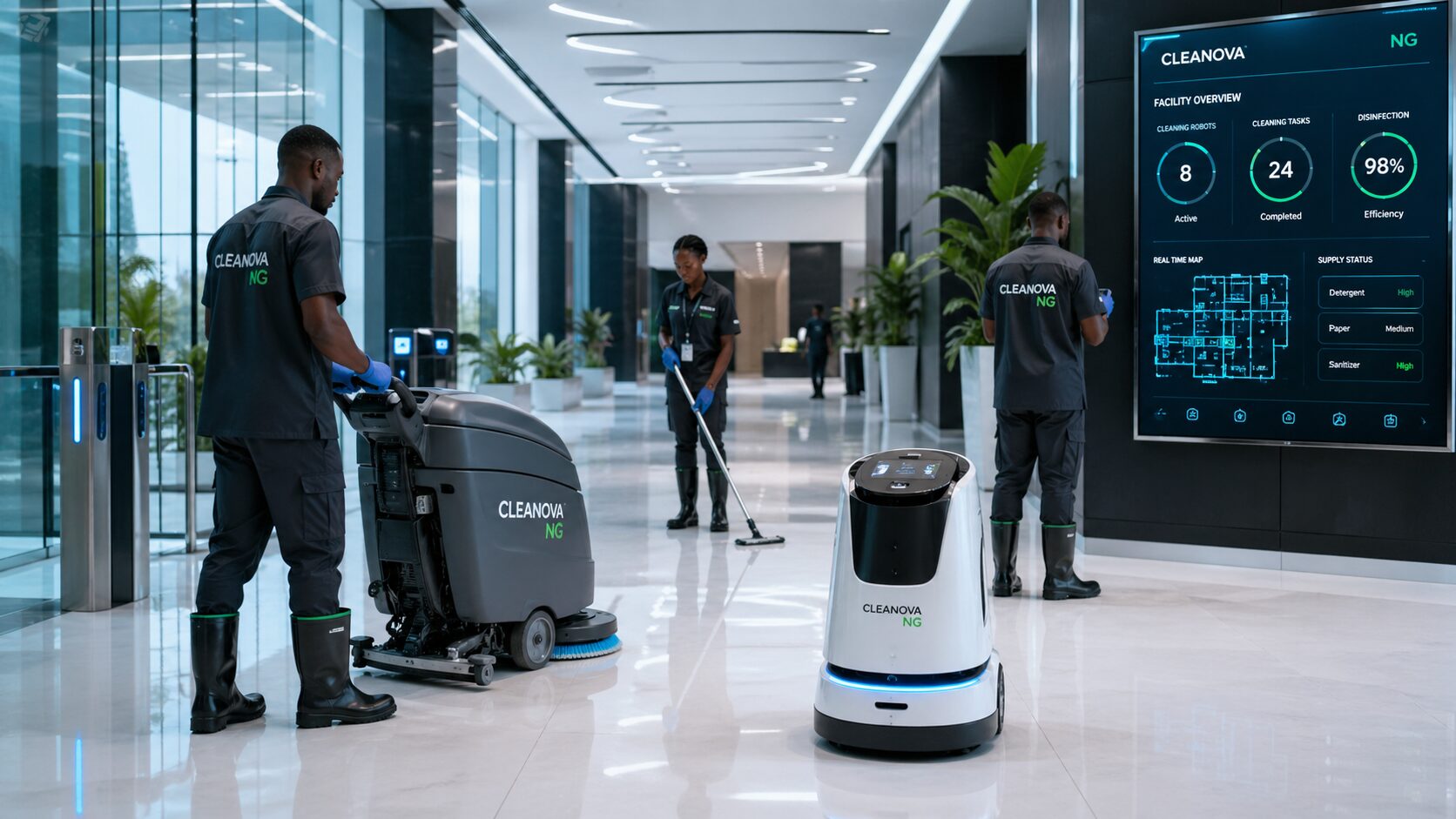
- Automated cleaning systems
- Smart monitoring tools
- Digital scheduling
👉 Technology ensures efficiency and consistency.
🔐 14. Employee Safety and Well-Being
Hygiene is directly linked to workplace safety.
Benefits:
- Reduced exposure to harmful substances
- Safer working conditions
- Improved employee satisfaction
👉 Employees feel valued in clean environments.
🧾 15. Long-Term Business Sustainability
Sustainable businesses prioritize hygiene.
Why:
- Maintains infrastructure quality
- Protects brand reputation
- Ensures operational continuity
👉 Hygiene is part of long-term business strategy.
🧩 Real-World Insight
Cleaning companies like Cleaneat Integrated Services help businesses maintain high hygiene standards through:
- Professional cleaning teams
- Advanced equipment
- Consistent service delivery
👉 This highlights the importance of outsourcing hygiene management to experts.
🔮 Future of Hygiene in Business
The future will see:
- Increased automation
- Stricter regulations
- Greater customer expectations
👉 Hygiene will continue to be a key business priority.
🧾 Conclusion
Hygiene is no longer just about cleanliness—it is about health, safety, productivity, and business success.
From improving employee well-being to enhancing customer trust, maintaining high hygiene standards is essential in today’s business environment.
👉 Businesses that prioritize hygiene will not only survive—but thrive.




 Get it on
  Download on the