







Understanding “Tokunbo” Tires: How to Inspect and Care for Imported Used Tires Safely
In Nigeria, “Tokunbo” (imported used) tires are a staple for millions of car owners. Driven by the high cost of brand-new premium tires, many drivers turn to the used market to keep their vehicles on the road. However, while Tokunbo tires can offer great value, they also come with significant risks if you don’t know what to look for.
A “cheap” tire is no longer a bargain if it leads to a blowout on the Lagos-Ibadan Expressway. In this guide, we’ll show you how to inspect imported used tires like a pro and how to make them last longer once they are on your car.
1. The Golden Rule: Check the Manufacture Date (DOT Code)
Tires have an “expiry date.” Even if the tread looks brand new, the rubber compounds inside degrade over time, a process called “dry rot.”
How to check: Look for a four-digit code on the sidewall, usually preceded by the letters “DOT.”
-
The first two digits represent the week.
-
The last two digits represent the year.
-
Example: “1224” means the tire was made in the 12th week of 2024.
Pro Tip: In Nigeria’s high-heat environment, avoid buying Tokunbo tires that are more than 4–5 years old, regardless of how “clean” they look.
2. The Tread Depth Test
The tread is what gives your car grip, especially during the rainy season when Nigerian roads become slippery.
-
The Naira Coin Test: Insert a N100 coin into the tread groove. If you can see the entire outer rim of the coin, the tread is too thin.
-
Uniformity: Ensure the tire isn’t worn more on one side than the other. Uneven wear suggests the previous car had alignment issues, which could affect your car’s handling.
3. Look for Hidden Defects (The “Swelling” Check)
Imported tires often sit in hot shipping containers for months. This can cause internal structural damage.
-
Sidewall Cracks: Look for tiny “spider web” cracks. These indicate the rubber is drying out and is prone to bursting.
-
Bulges/Bumps: Feel the surface of the tire for any unusual lumps. These “eggs” indicate a broken internal cord.
-
Patches: Inspect the inside of the tire. If it has more than two internal patches or a patch on the sidewall, walk away. It is a safety hazard.
4. Caring for Your Tokunbo Tires in Nigeria
Once you’ve found a safe set of tires, maintenance is key to ensuring they don’t fail prematurely under the Nigerian sun.
-
Proper Inflation: Under-inflated tires generate more heat, which is the leading cause of tire failure in Nigeria. Check your pressure weekly.
-
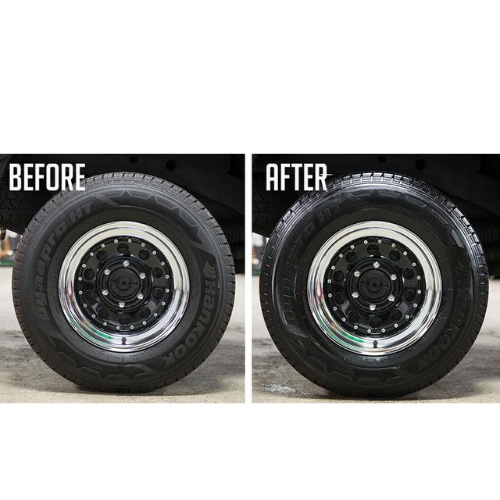
Avoid “Tire Shine” with Harsh Chemicals: Some cheap tire polishes used by local car washes contain petroleum distillates that speed up rubber cracking. Use water-based tire dressings available in our shop.
-
Alignment and Balancing: Immediately after fitting Tokunbo tires, visit a professional center for wheel balancing and alignment. This prevents uneven wear and saves you money in the long run.
Conclusion
Buying Tokunbo tires in Nigeria doesn’t have to be a gamble. By checking the DOT code, inspecting for cracks, and maintaining proper pressure, you can stay safe while saving money.
Need to keep your tires looking and performing their best? Check out our range of [Eco-Friendly Tire Care Products] to protect your rubber from the harsh African sun!







 Get it on
  Download on the