





Water is one of the most important resources for life, but clean-looking water is not always safe water. Many homes, offices, schools, hotels, and industrial facilities use water every day without realizing it may contain hidden contaminants. These impurities can affect health, damage equipment, create unpleasant taste or odor, and reduce confidence in your water supply.
In many areas, water contamination can come from aging pipes, poor storage tanks, boreholes, surface runoff, sewage leaks, industrial waste, or natural minerals in the ground. Because of this, proper water treatment is no longer optional, it is essential.
At Cleaneat, we provide trusted water treatment solutions that help homes and businesses enjoy safer, cleaner water. One of the most effective tools in modern treatment systems is the water sterilizer, especially UV sterilization systems designed to eliminate harmful microorganisms quickly and efficiently.
In this guide, we explain the most common water contaminants, the difference between them, and how a water sterilizer helps protect your water supply.
Common Signs Your Water May Be Contaminated
Watch for these warning signs:
- Bad odor
- Unusual taste
- Cloudy appearance
- Green growth in tanks
- Frequent stomach issues
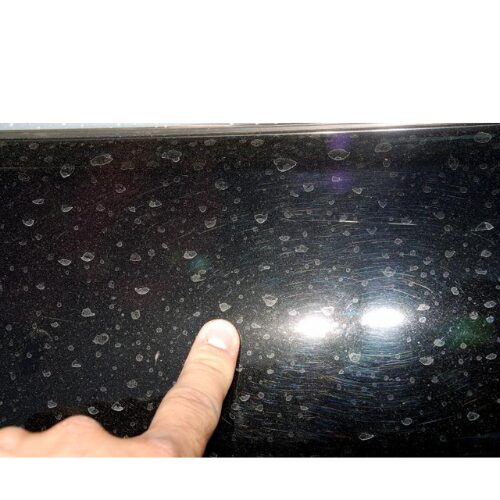
- Staining on sinks or taps
- Slime in storage containers
Even if none of these signs appear, water can still contain invisible microorganisms.
Risks of Water Contamination
Unsafe water can create short-term and long-term problems. Some contaminants may cause illness immediately, while others build up slowly over time.
Common risks include:
- Stomach infections
- Bad taste or smell
- Skin irritation
- Staining of fixtures
- Damage to appliances
- Reduced confidence in drinking water
This is why understanding contamination types is the first step toward choosing the right treatment system.
Main Categories of Water Contaminants
Most water contaminants fall into four broad groups:
- Biological contaminants
- Chemical contaminants
- Physical contaminants
- Dissolved minerals and metals
Each group affects water differently and may require different treatment methods.
Biological Contaminants
Biological contaminants are living microorganisms that can multiply in water.
Examples include:
- Bacteria
- Viruses
- Parasites
- Fungi
- Algae
These contaminants are especially dangerous because they can spread disease.
Common Sources:
- Sewage leaks
- Dirty storage tanks
- Flooding
- Animal waste
- Poor sanitation systems
Chemical Contaminants
Chemical contaminants are harmful substances dissolved or mixed into water.
Examples include:
- Chlorine residue
- Pesticides
- Fertilizers
- Industrial chemicals
- Detergents
- Petroleum residues
These may affect health, taste, smell, and long-term water safety.
Physical Contaminants
These are visible particles suspended in water.
Examples include:
- Sand
- Rust
- Dirt
- Silt
- Debris
They may not always be dangerous by themselves, but they reduce water quality and can block equipment.
Metals and Mineral Contaminants
These are naturally occurring or man-made dissolved substances.
Examples include:
- Iron
- Lead
- Copper
- Calcium
- Magnesium
They can stain surfaces, create scaling, and affect taste.
Chemical vs. Biological Contaminants – What Is the Difference?
Understanding Chemical vs. biological contaminants is important when choosing the right water treatment method.
Biological Contaminants:
These are living organisms such as bacteria and viruses. They can multiply in storage tanks, pipes, or untreated water sources.
Chemical Contaminants:
These are non-living substances such as pesticides or industrial waste. They do not grow, but they can remain in water for long periods.
Why This Matters:
A water sterilizer is excellent for killing biological threats, but chemical contaminants may require filtration or additional treatment systems.
That is why professional water treatment often combines sterilization with filtration.
How a Water Sterilizer Works
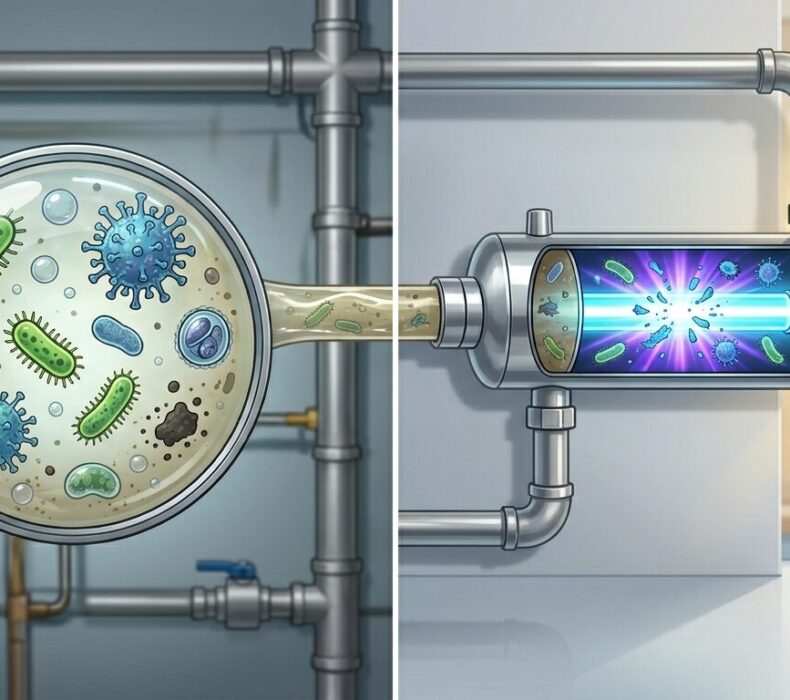
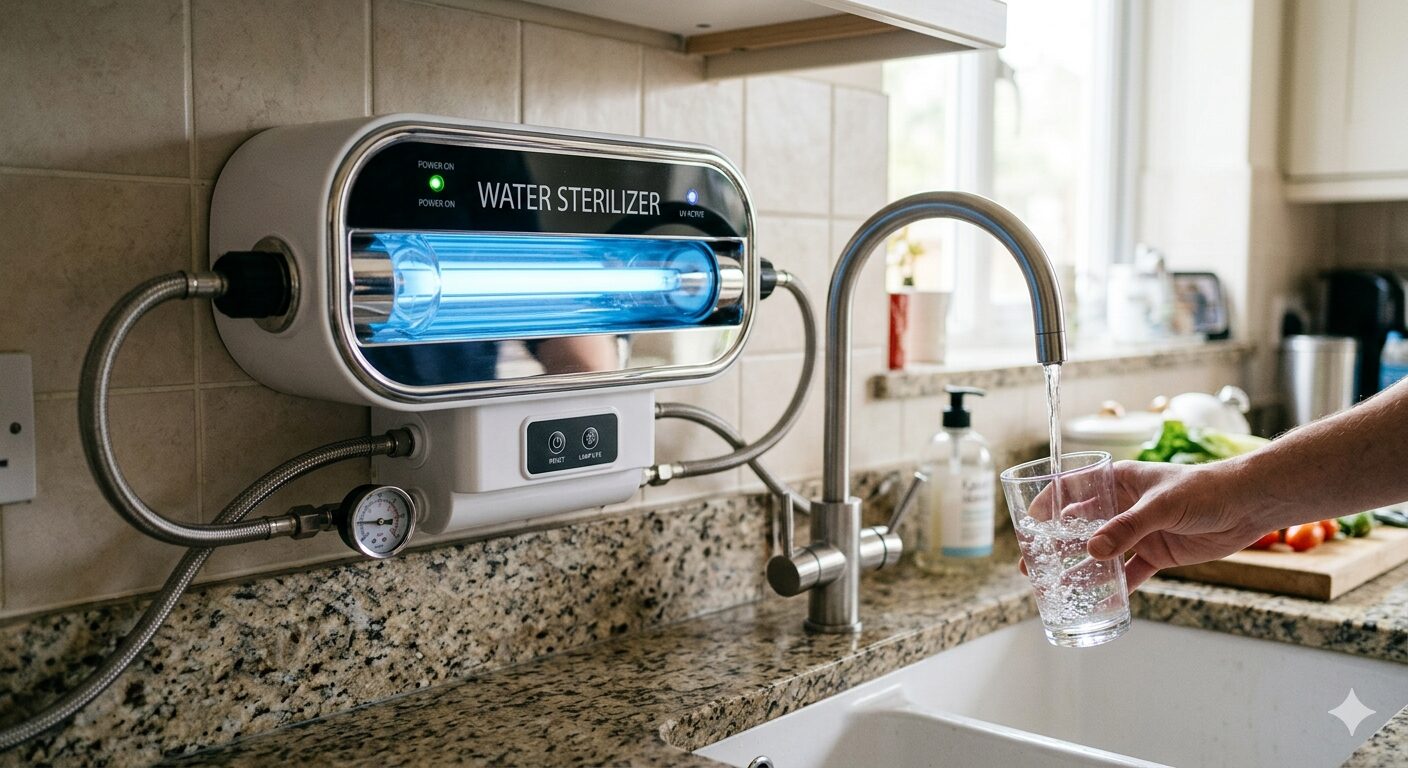
A water sterilizer is designed to destroy harmful microorganisms, making water safer for use.
The most common type is a UV water sterilizer, which uses ultraviolet light.
Step-by-Step Process:
- Water enters the sterilizer chamber
- It flows past a UV lamp
- UV light damages the DNA of microorganisms
- Bacteria and viruses become inactive
- Safer water exits the system
This process is fast, chemical-free, and highly effective.
How a Water Sterilizer Helps
The phrase Chemical vs. biological contaminants also highlights where sterilizers are strongest.
For Biological Contaminants:
Water sterilizers are highly effective against:
- Bacteria
- Viruses
- Parasites
- Algae spores
They neutralize these threats quickly.
For Chemical Contaminants:
A sterilizer alone does not remove chemicals such as pesticides or heavy metals. However, it works very well when combined with:
- Carbon filters
- Reverse osmosis systems
- Sediment filters
Best Practice:
Use a complete treatment setup:
- Filter visible particles
- Remove chemicals if needed
- Sterilize biological threats
This gives the safest overall result.
Where Water Sterilizers Are Most Useful
Homes
Protect family drinking and cooking water.
Borehole Systems
Useful where groundwater may be contaminated.
Offices
Provide cleaner water for staff and visitors.
Hotels
Essential for guest confidence and hygiene.
Hospitals
Support sanitation and safe water use.
Restaurants
Important for food preparation and beverage quality.
Benefits of Installing a Water Sterilizer
1. Better Health Protection
Reduces risk from harmful microorganisms.
2. Peace of Mind
Confidence in daily water use.
3. Improved Hygiene
Cleaner water for washing and cooking.
4. Low Running Costs
Efficient systems use little energy.
5. Easy Integration
Can be added to existing treatment systems.
Common Mistakes to Avoid
1. Using Sterilization Without Filtration
Dirty water can reduce UV effectiveness.
2. Ignoring Maintenance
Old lamps or dirty sleeves lower performance.
3. Assuming Clear Water Is Safe
Many dangerous organisms are invisible.
4. Using the Wrong System Size
Undersized systems may not handle demand.
At Cleaneat, we help clients avoid these mistakes with expert recommendations.
Why Choose Cleaneat?
At Cleaneat, we provide dependable water treatment systems designed for local conditions.
What We Offer:
- UV water sterilizers
- Filtration systems
- Reverse osmosis solutions
- Installation services
- Maintenance support
- Expert consultation
We help homes and businesses achieve cleaner, safer water with confidence.
Conclusion
Water contamination is more common than many people realize. Clear water can still contain harmful organisms, chemicals, or particles that reduce safety and quality.
Understanding Chemical vs. biological contaminants helps you choose smarter treatment options. Biological contaminants are best controlled by water sterilizers, especially UV systems, while chemical contaminants often need filtration or reverse osmosis.
The most effective solution is usually a combined treatment system.
With Cleaneat, you get expert guidance and reliable equipment to protect your water supply. Clean water supports better health, stronger hygiene, and greater peace of mind.
Safe water starts with the right treatment.


 Get it on
  Download on the