





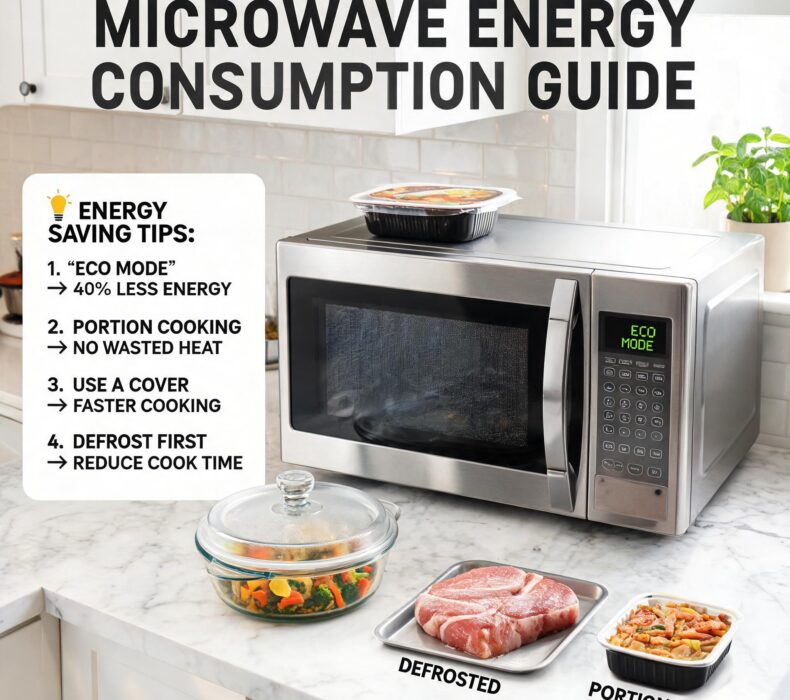
Understanding the Microwave Energy Consumption Guide is essential if you want to reduce electricity bills while enjoying the convenience of fast cooking. Microwave ovens are among the most energy-efficient kitchen appliances because they cook food quickly and use less electricity than conventional ovens. However, energy consumption varies depending on the microwave’s wattage, usage habits, and features. By learning how microwaves consume energy, you can make smarter purchasing decisions and lower your household energy costs.
How Much Electricity Does a Microwave Use?
Microwave ovens consume electricity based on their power rating, which is measured in watts (W). Generally, higher-wattage microwaves cook food faster, but they may use more electricity during operation.
Typical microwave power ratings include:
- 700W–800W for basic cooking and reheating
- 900W–1000W for everyday family use
- 1100W–1200W for faster cooking and larger meals
- 1200W and above for premium, high-performance models
Fortunately, because microwaves cook meals quickly, the overall energy consumed per meal is often lower than many people expect.
Factors That Affect Microwave Energy Consumption
Several factors determine how much electricity your microwave uses.
Power Rating
Higher-wattage microwaves heat food faster, reducing cooking time. Although they consume more power while operating, they often finish cooking sooner, making them efficient for regular use.
Cooking Time
The longer your microwave runs, the more electricity it uses. Therefore, using the correct cooking time helps prevent unnecessary energy consumption.
Frequency of Use
A microwave used several times each day will naturally consume more electricity than one used occasionally. However, it still remains one of the most efficient cooking appliances for quick meals.
Microwave Size
Larger microwave ovens usually require more power than compact models. If you mainly prepare meals for one or two people, a smaller microwave may be the more energy-efficient choice.
Cooking Functions
Modern microwave ovens may include:
- Grill functions
- Convection cooking
- Auto-cook programs
- Sensor cooking
While these features improve convenience, they may increase electricity usage depending on how often they are used.
Are Microwaves More Energy Efficient Than Conventional Ovens?
Yes. In most situations, microwaves use less electricity than conventional electric ovens because they heat food directly instead of warming the entire oven cavity.
Some advantages include:
- Faster cooking times
- Less energy wasted
- Lower kitchen heat
- Reduced electricity costs
- Greater convenience
As a result, microwaves are an excellent choice for reheating leftovers, preparing quick meals, and defrosting frozen foods.
Tips to Reduce Microwave Energy Consumption
You can improve your Microwave Energy Consumption Guide by following a few simple practices.
Use Microwave-Safe Containers
Microwave-safe dishes allow heat to transfer efficiently to your food, reducing cooking time.
Avoid Overcooking
Cook food only for the recommended time. Overheating wastes electricity and may reduce food quality.
Defrost Food Properly
Use the built-in defrost setting instead of full power. This helps preserve food texture while using energy more efficiently.
Keep the Interior Clean
Food residue can affect cooking performance. Therefore, wipe the microwave interior regularly to maintain efficiency.
Cook Similar Foods Together
Preparing multiple portions at once can reduce repeated microwave use and improve overall energy efficiency.
Close the Door Properly
Always ensure the microwave door closes securely. A damaged or loose door seal can reduce cooking efficiency and should be repaired promptly.
Choosing an Energy-Efficient Microwave
Before purchasing a microwave, consider these important factors:
- Choose a capacity that matches your household size.
- Select the appropriate wattage for your cooking needs.
- Compare energy-saving features.
- Look for easy-to-use controls.
- Buy from a trusted appliance retailer.
- Check the warranty and product quality.
Additionally, investing in a high-quality microwave can provide long-term savings through better performance and durability.
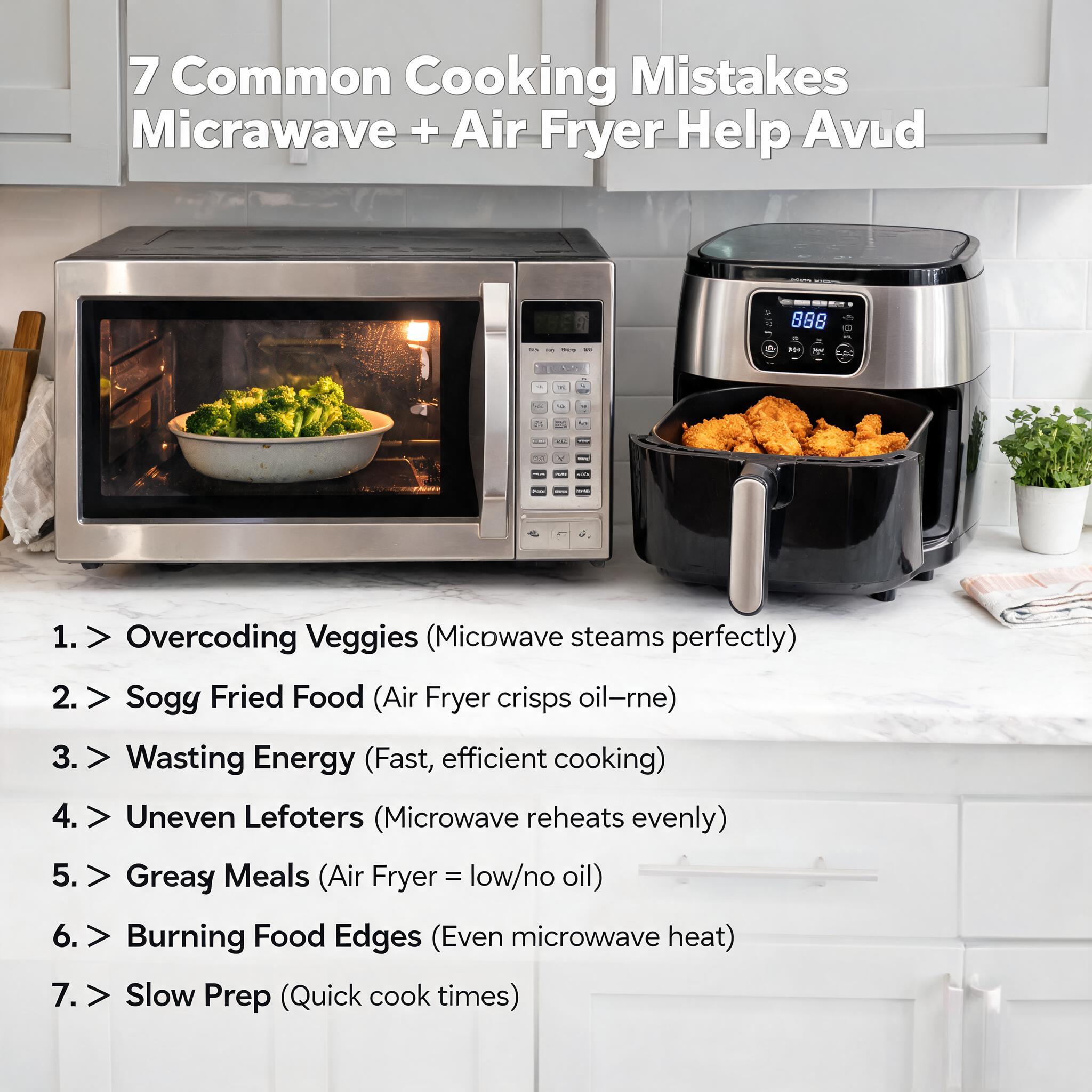
Common Mistakes That Increase Energy Usage
Avoid these habits to keep electricity consumption low:
- Running the microwave empty
- Using incorrect power settings
- Heating food longer than necessary
- Ignoring regular cleaning
- Using oversized microwaves for small cooking tasks
Consequently, correcting these habits can help improve efficiency and extend the lifespan of your appliance.
Benefits of an Energy-Efficient Microwave
An energy-efficient microwave offers several advantages beyond lower electricity bills.
These include:
- Faster meal preparation
- Reduced cooking costs
- Lower environmental impact
- Consistent cooking performance
- Long-term value for money
- Convenient everyday use
Moreover, efficient appliances contribute to a more sustainable and cost-effective household.
Conclusion
Following this Microwave Energy Consumption Guide can help you choose a microwave that balances performance with energy efficiency. By selecting the right size, using appropriate power settings, and adopting energy-saving habits, you can enjoy fast and convenient cooking while keeping electricity costs under control. Whether you’re buying your first microwave or replacing an older model, understanding energy consumption will help you make a smarter investment for your home.



 Get it on
  Download on the