Step into any local market in Lagos or scroll through your Instagram feed, and you will be bombarded with advertisements for “miracle” weight loss solutions. From detox herbs to “fit fam” routines, the debate around flat belly teas vs. clean eating has taken center stage in the Nigerian wellness community.
Many people looking for quick results find themselves caught between purchasing expensive, heavily marketed slimming teas and committing to a wholesome, traditional diet. But which of these methods actually delivers long-term results, and what are the hidden truths behind the Nigerian weight loss industry? Let’s break down the science, the costs, and the health implications.
Understanding the Hype: Flat Belly Teas
The Nigerian market is flooded with weight loss supplements, popularly known as “flat belly teas” or “slimming teas.” Promoted by influencers with seemingly perfect physiques, these products promise effortless weight loss within days.
What is Actually Inside Slimming Teas?
Most flat belly teas do not contain magical fat-burning ingredients. Instead, their formulas rely heavily on:
Laxatives: Ingredients like senna leaves (Agorigo or Ewe Senifit) stimulate the bowels, causing frequent trips to the restroom.
Diuretics: These herbs increase urination, rid the body of excess water, and temporarily reduce bloating.
Caffeine: High doses of caffeine or green tea extracts are used to temporarily suppress appetite and slightly boost metabolism.
The Illusion of Rapid Weight Loss
When comparing flat belly teas vs. clean eating, the immediate results of teas can be incredibly deceptive. The initial drop on the weighing scale isn’t fat loss—it is water weight and fecal waste. Once you stop drinking the tea and rehydrate, the weight inevitably returns.
Warning: Prolonged use of laxative-based teas can damage your digestive system, cause severe dehydration, deplete essential electrolytes, and lead to dependency.
The Power of Clean Eating in Nigeria
On the other side of the debate is clean eating. Clean eating focuses on consuming whole, unprocessed foods in their most natural state. In a Nigerian context, this means swapping highly processed, packaged foods for nutrient-dense local alternatives.
Processed Foods (Limit)  --->  Clean, Whole Foods (Emphasize)
[Soft drinks, White bread]     [Unripe plantain, Oats, Local rice]
Key Components of a Nigerian Clean Eating Diet
Achieving sustainable weight loss doesn’t require expensive imported superfoods. Nigeria is rich in organic, wholesome ingredients that promote a healthy metabolism:
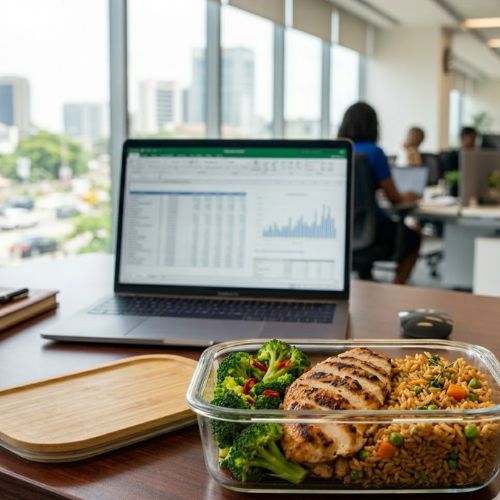
Complex Carbohydrates: Instead of refined white flour and sugar, clean eating prioritizes local brown rice (Ofada), sweet potatoes, unripe plantains, and yams. These foods digest slowly, keeping you full for longer.
Lean Proteins: Fish, skinless chicken, goat meat, beans, and akara (cooked with minimal oil) supply the body with amino acids necessary for maintaining muscle mass while burning fat.
Healthy Fats: Using moderate amounts of palm oil or olive oil, and eating avocados and local peanuts, supports hormone regulation.
Fiber-Rich Vegetables: Vegetables like Efo Shoko, Utazi, Ugu, and cabbage add volume to meals without adding excessive calories.
Head-to-Head Comparison: Flat Belly Teas vs. Clean Eating
To truly understand which approach deserves your time and money, let’s look at how they compare across key categories:
Feature
Flat Belly Teas
Clean Eating
Primary Mechanism
Dehydration and bowel clearance
Calorie deficit and metabolic health
Type of Weight Lost
Water weight and waste
Actual adipose (fat) tissue
Sustainability
Low (unsafe for long-term use)
High (can be maintained as a lifestyle)
Financial Cost
Expensive recurring purchases
Cost-effective when buying local produce
Side Effects
Diarrhea, cramping, dehydration
Improved energy, clearer skin, better digestion
Long-Term Success
High risk of weight rebound
Permanent weight management
Why the Supplement Industry Thrives in Nigeria
If the science heavily favors wholesome nutrition, why does the debate of flat belly teas vs. clean eating lean so often toward supplements?
The Desire for Quick Fixes: Losing weight through diet requires patience, consistency, and discipline. Teas promise a shortcut that appeals to human nature.
Aggressive Influencer Marketing: Celebrities and fitness influencers frequently credit their bodies to specific tea brands, omitting the fact that they undergo cosmetic surgeries, use professional trainers, or maintain strict diets behind the scenes.
Misconceptions About Nigerian Food: Many people mistakenly believe that traditional Nigerian food is inherently fattening. In reality, swallows like Amala or Pounded Yam are not the enemy; the issue lies in excessive portion sizes and heavy, oil-laden soups.
How to Transition to Sustainable Weight Loss
If you want to achieve a flat stomach and a healthier body without relying on dangerous supplements, here is a practical blueprint to follow:
1. Control Your Portions
You do not need to quit your favorite local dishes. Simply adjust the ratios on your plate. Fill half of your plate with vegetables (Ugu or steamed cabbage), one-quarter with lean protein, and the remaining quarter with your favorite carbohydrate or swallow.
2. Cook with Less Oil
Nigerian soups are highly nutritious, but excessive palm oil or vegetable oil can easily double the calorie count of a meal. Reduce the oil content in your Efo Riro or Egusi soup to significantly cut down on unnecessary calories.
3. Hydrate Wisely
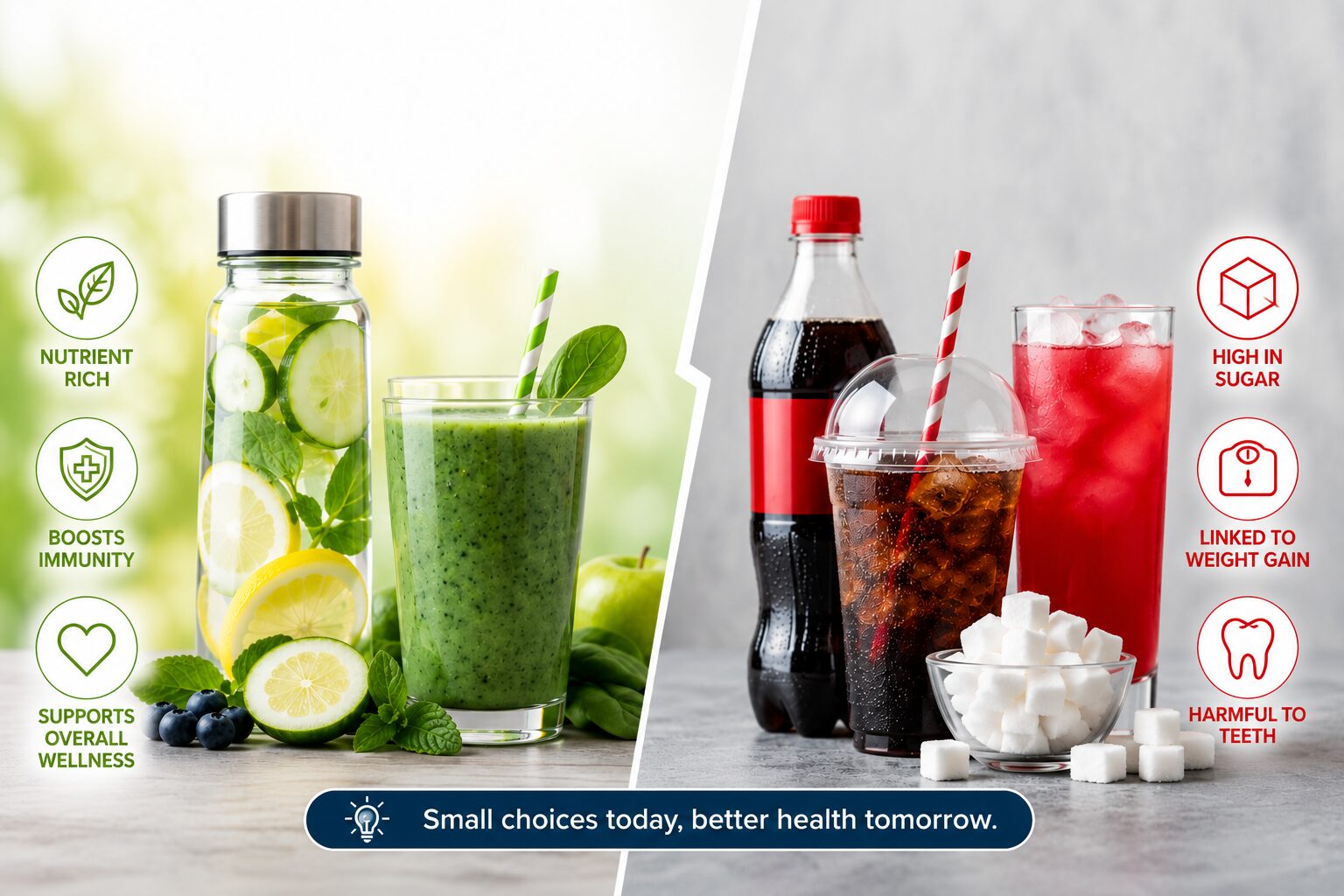
Ditch sugary sodas, commercial juices, and processed detox teas. Drink pure water instead. Sometimes, your body confuses thirst with hunger; staying hydrated prevents overeating.
4. Stay Consistent
Real fat loss takes time. A safe and sustainable rate of weight loss is about 0.5 to 1 kilogram per week. Unlike the volatile results of slimming teas, weight lost through clean eating is much easier to keep off permanently.
Final Verdict
When evaluating flat belly teas vs. clean eating, the truth is undeniable. Flat belly teas offer nothing more than a temporary, potentially harmful illusion of weight loss. They drain your wallet while putting your gastrointestinal health at risk.
True, lasting weight loss comes from fueling your body with wholesome, natural foods and adopting a lifestyle you can maintain for years. Skip the chemical shortcuts, embrace the wide variety of healthy Nigerian whole foods, and let clean eating transform your health from the inside out.














 Get it on
  Download on the